
REVIEW · JAPANESE COOKING CLASSES
Kyoto Home Cooking Class &Supermarket tour near Fushimiinari
Cooking in Kyoto feels like visiting family. This 4-hour class near Fushimi Inari pairs a hands-on Japanese meal in a traditional room with a practical supermarket tour afterward, so you know what to buy back home. I love the small-group feel and the warm, patient teaching style, and the biggest consideration is that there’s no hotel pickup or drop-off, so you’ll need to get there on your own.
You’ll start with the backbone of many Japanese dishes: dashi, a soup stock you’ll learn how to think about, not just follow. Then you’ll prepare about five dishes with help from licensed guide interpreters who teach in English (and they make sure explanations land clearly for non-English speakers too). One more plus: the class uses vegetarian-friendly dashi, so it can work for vegetarian and vegan guests.
By the end, you eat what you cooked together in the traditional space with a garden view, then you head out to a local supermarket to find the ingredients you used. You also get the recipes, which turns this from a fun afternoon into something you can actually repeat.
In This Review
- Key Highlights You Should Know
- What Makes This Kyoto Class Feel So Local?
- The Setting Near Fushimi Inari, Traditional Room and Garden Views
- Dashi and the Flavor Logic Behind Japanese Cooking
- The Cooking Part: About Five Dishes, Guided Steps, Real Technique
- Eating Together in the Traditional Room, Not Just a Quick Bite
- The Supermarket Tour After Lunch, How to Shop Like a Cook
- English Instruction and a Small Group That Actually Works
- Price and Value for 4 Hours of Home-Style Cooking
- Who This Kyoto Experience Fits Best
- Practical Tips Before You Go
- Should You Book This Cooking Class Near Fushimi Inari?
- FAQ
- Where is this cooking class, and how close is it to Fushimi Inari?
- How long does the class last?
- Is lunch included?
- Is the class taught in English?
- How many people are in each group?
- Can vegetarians or vegans join?
- What should I bring?
- Is hotel pickup or drop-off included?
- Can children participate?
Key Highlights You Should Know
- Dashi first, always: You learn the role of Japanese soup stock, which helps everything taste right later.
- Hands-on cooking with a small group: Maximum 6 participants means you get attention while you cook.
- Traditional meal, garden view: Lunch happens in a Japanese room that feels like someone’s home.
- Supermarket tour that teaches how to shop: You’ll see products you can look for next time.
- English instruction with clear interpreting: Licensed guide interpreters keep the class easy to follow.
- Vegetarian-friendly approach: Vegetarian dashi is used, making it more inclusive than many classes.
Cook it yourself instead. Other kitchens in Kyoto
- Sushi Making in Kyoto! Same-day bookings welcome!
★ 5.0 · 713 reviews - Kyoto: Ramen Cooking Class at a Ramen Factory with Souvenir
★ 4.9 · 532 reviews - Kyoto: Ramen, Gyoza, and Onigiri Cooking Class
★ 5.0 · 445 reviews - The Original Small-Group Sushi Making Class in Kyoto
★ 5.0 · 436 reviews
What Makes This Kyoto Class Feel So Local?
This isn’t a factory-style cooking show. The whole structure is built around learning the basics of Japanese flavor and technique, then applying them while you cook, eat, and shop.
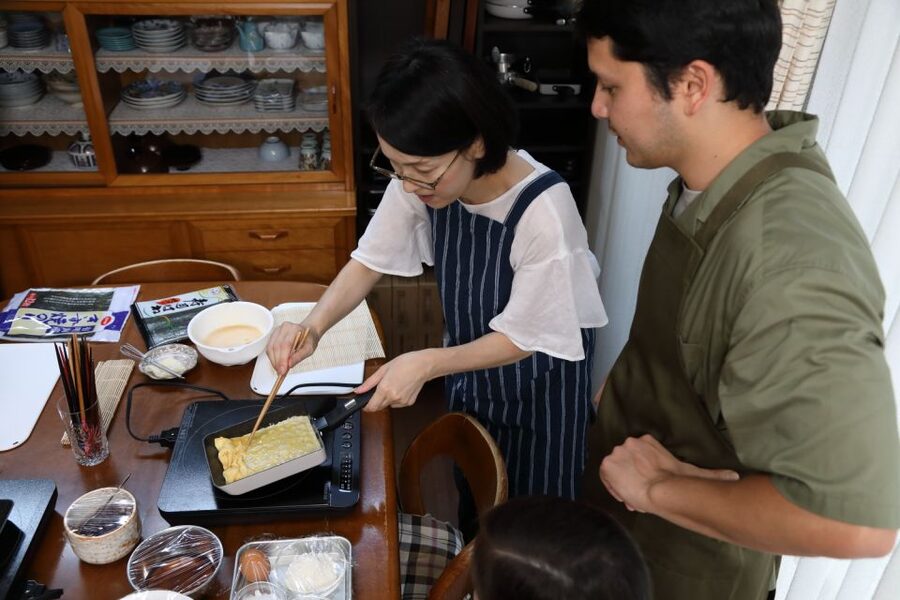
I like that you’re not just watching someone else cook. You’re participating in making about five dishes, with the instructor demonstrating parts first and then guiding you while you do the work. That matters because Japanese home cooking is about rhythm and timing, not fancy tools.
Another reason it feels local is the pairing of the meal with a supermarket walk. You leave with real-world context, like what ingredients look like in Japan and how to recognize them. It’s the difference between owning a recipe and actually being able to shop intelligently for it.
The Setting Near Fushimi Inari, Traditional Room and Garden Views
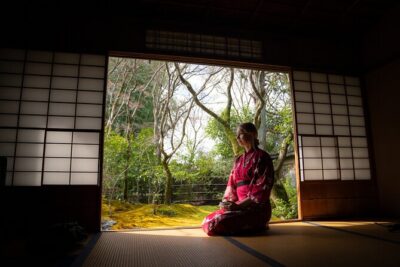
The location is close to Kyoto’s Fushimi Inari area, which is a big plus if you’re already planning to spend time around the famous shrine. The class is held in an authentic Japanese home setting, and lunch happens in a very traditional room with a fantastic garden view.
That combination is more than pretty scenery. Eating where the meal was made helps you understand portions, pacing, and how the food fits into a Japanese home routine. In other words, you’re not just tasting dinner, you’re learning how the day feels.
One small practical note: you’ll need to bring socks. The class notes socks as what to bring, which suggests you’ll be asked to follow basic indoor comfort rules when you’re inside the home.
Dashi and the Flavor Logic Behind Japanese Cooking
Japanese cuisine often feels mysterious if you’re missing the flavor foundation. Here, you start with dashi, the soup stock used across many dishes. The goal isn’t just memorizing a recipe. You’re learning why it’s used, so you can make smarter choices when you cook later.
In practice, that means your other dishes make more sense. If you understand what dashi contributes, you’ll know what to fix when something tastes too bland or not quite balanced. It’s one of those “invisible” lessons that pay off in your own kitchen.
And because the class includes vegetarian dashi options, you’re not left out if you don’t eat traditional broth-based flavors. The instruction is designed so vegetarian and vegan guests can join without feeling like they’re getting a watered-down version.
- PERFECT KYOTO 1-Day Bus Tour★ 5.0 · 13,518 reviews
- Kyoto: Fushimi Inari, Kinkakuji, Bamboo Grove 1 Day Bus Tour★ 4.8 · 4,316 reviews
- Kyoto: Tea Ceremony in a Traditional Tea House in Kiyomizu★ 4.9 · 3,519 reviews
- Kyoto Geisha Walking Tour: Gion District & Hidden Gems★ 4.7 · 3,273 reviews
- Kyoto: Tea Ceremony Ju-An at Jotokuji Temple★ 4.9 · 3,207 reviews
The Cooking Part: About Five Dishes, Guided Steps, Real Technique
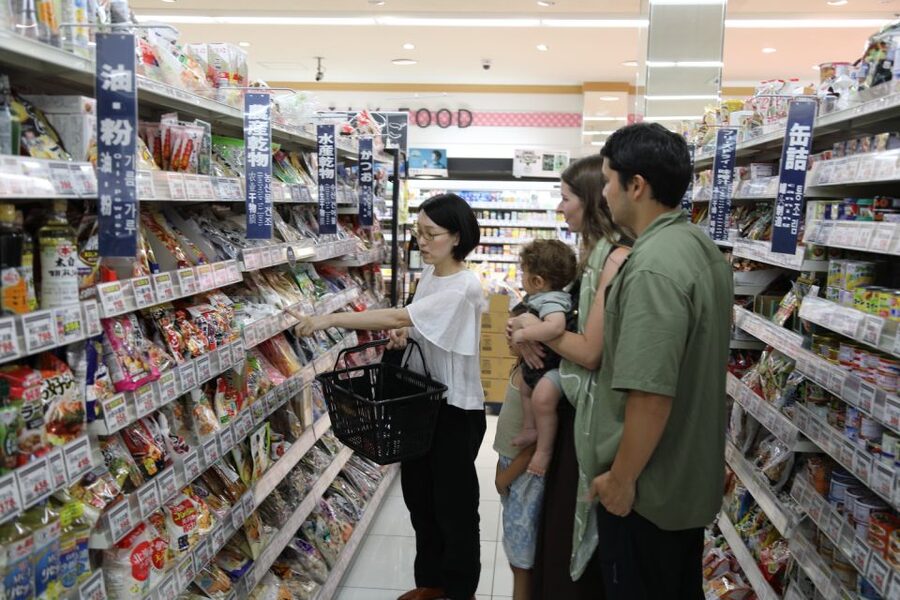
After the dashi lesson, you’ll prepare roughly five dishes. The class works like this: the instructors demonstrate key steps in front of you, then you take over with your partner or as part of the group.
This structure is practical for two reasons:
- You see the correct hand movement and timing, not just the end result.
- You learn what matters, so you can repeat the process later.
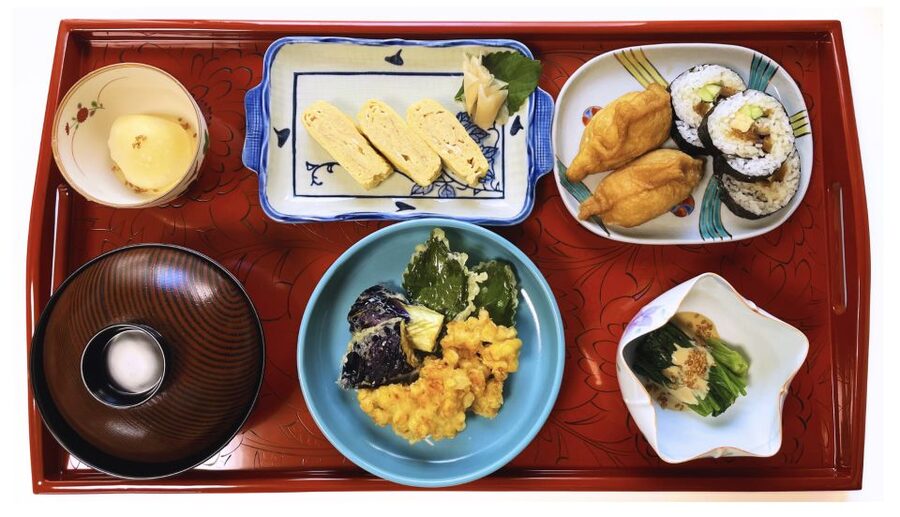
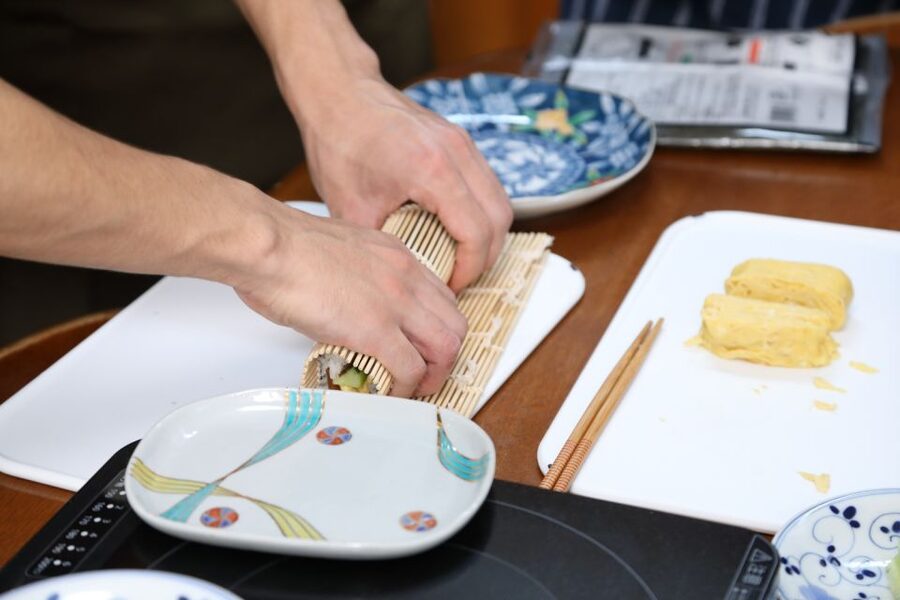
Menus can vary by season, so you shouldn’t expect the exact same lineup every time. But the dish types shown in past sessions give you a good idea of what this class can include, such as miso soup, tempura, sushi, mochi, Japanese omelet, rolled egg, and even a salad and dessert in some menus.
That range is part of the value. You’re learning both soup-based flavor and more hands-on cooking styles, which helps you build a broader Japanese toolkit instead of one narrow specialty.
You also get recipes for everything you prepare. That’s huge if you want to recreate the dishes at home without guessing measurements after the fact.
Eating Together in the Traditional Room, Not Just a Quick Bite
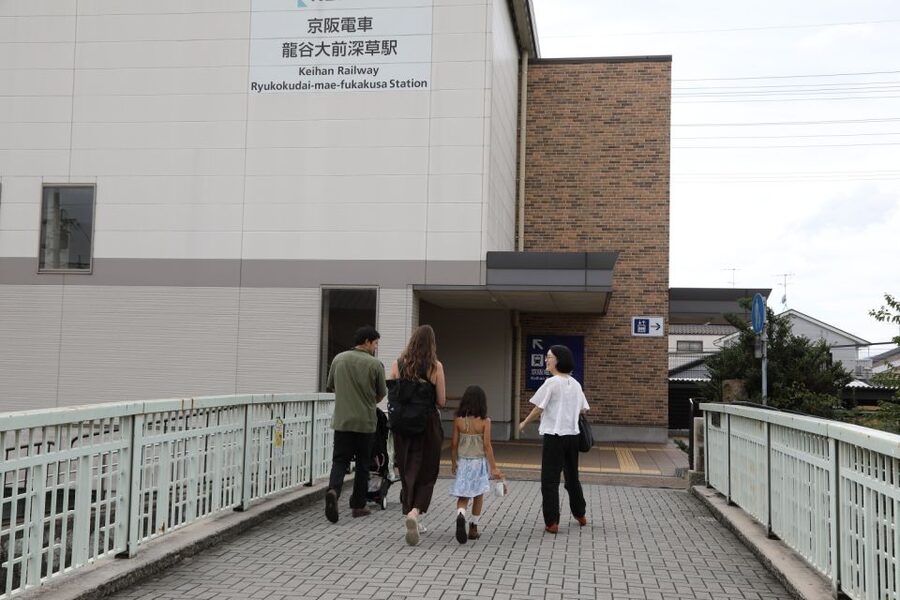
Once cooking is done, you sit down and enjoy your meal in the traditional Japanese room with the garden view. This is one of those details that seems small on paper, but it changes the whole vibe.
Food tastes better when the meal is paced like a meal, not a snack between activities. You’re given time to eat what you made, with the right atmosphere around you, and it helps the lessons stick. If you’re someone who learns by doing, this setup makes it easier to remember what you did and why it worked.
The Supermarket Tour After Lunch, How to Shop Like a Cook
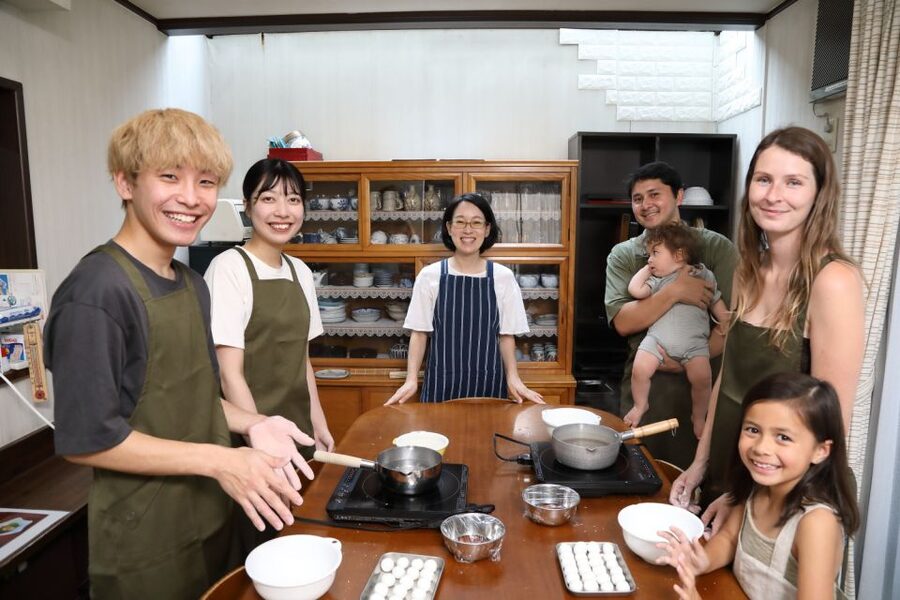
This class ends with a supermarket visit, and it’s more educational than you might expect. You’ll explore the local store and look specifically for the ingredients you used in class.
What you learn here is practical:
- what items to look for next time you’re cooking Japanese at home,
- how packaged products and labels can differ from what you’re used to,
- and what categories matter most for the dishes you made.
It’s also fun because it turns theory into shopping. Instead of staring at a recipe and wondering what the ingredient is supposed to be, you get a reference point. Many people walk away saying this part was the icing on the cake, because it connects the entire afternoon into one clear outcome.
And there’s an added freedom element: if you like, you can buy the ingredients to recreate the dishes for friends and family. That’s especially useful if you want to try one or two recipes soon rather than waiting months.
English Instruction and a Small Group That Actually Works
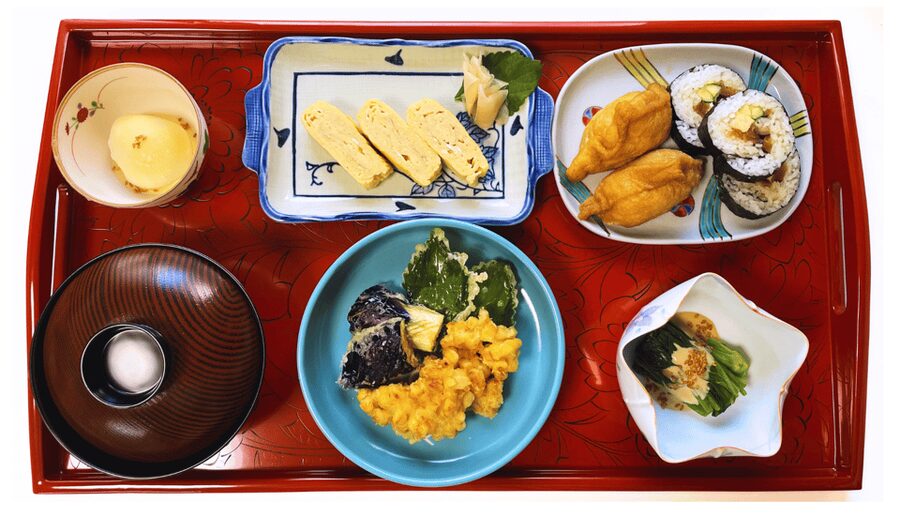
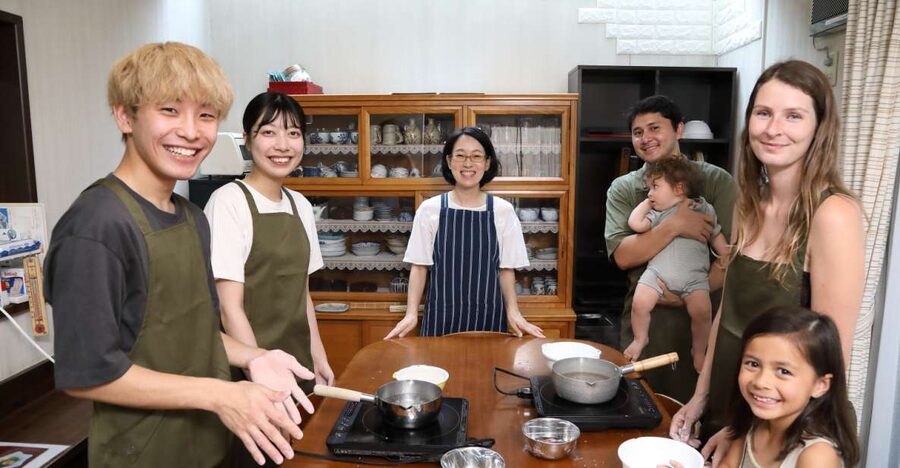
The class runs in English and keeps groups small, with a maximum of 6 participants. That’s not just about comfort. It’s about how much time you get for questions and corrections while you cook.
Instructors are licensed guide interpreters, so you get clear explanations. Importantly, the format supports both English and non-English speakers, which helps if you’re traveling with someone who reads English comfortably but speaks a different language.
From what I see in the teaching style described by participants, the directions are direct and detailed, and instructors stay friendly and accommodating. Even solo travelers can have a great time because the class structure is set up for partner work and group learning rather than feeling like an isolated lecture.
Price and Value for 4 Hours of Home-Style Cooking
At $127 per person for 4 hours, this sits in the “serious experience” range, not the cheapest kind of activity. But the value is strong if you care about learning, not just eating.
Here’s why it can be worth it:
- Small group size (up to 6) means the attention per person is likely higher than larger classes.
- You cook around five dishes, not just one or two.
- Lunch is included, and all seasonings and ingredients used in class are included.
- You get the recipes, which turns the experience into usable, repeatable cooking at home.
- The supermarket tour adds real shopping guidance, which many cooking classes skip.
The main reason someone might decide it’s not for them is simple: you have to enjoy hands-on learning. If your idea of travel is purely sightseeing with no cooking time, the kitchen portion will feel like a chore.
But if you want to leave Kyoto with skills and ingredient knowledge, this price can feel fair fast.
Who This Kyoto Experience Fits Best
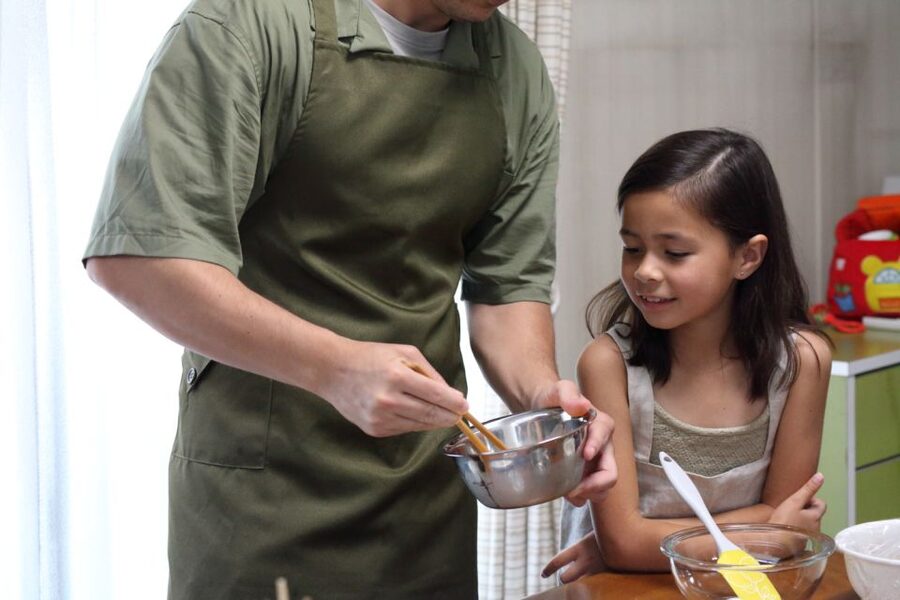
This class is a good match if you:
- want a non-touristy Japanese home cooking experience,
- enjoy cooking and want to learn the why behind flavors like dashi,
- like small-group settings where you can ask questions,
- and would benefit from a shopping guide at the end.
It’s also a solid choice for vegetarian and vegan guests thanks to vegetarian dashi. And it can work well for solo travelers because the instructors are friendly and the format is designed for participants to participate together.
A few limits to keep in mind:
- It is not suitable for wheelchair users.
- Children under 6 cannot participate.
- Children aged 12 and under need to join with a guardian.
Practical Tips Before You Go
- Bring socks, since they’re specifically listed as what you should bring.
- Expect that the menu may differ by season, so don’t plan your expectations around a fixed dish list.
- Wear comfortable clothes. You’ll be doing hands-on cooking for a few dishes and then eating afterward.
- Plan how you’ll reach the class on your own, because hotel pickup and drop-off service isn’t included.
If you have dietary restrictions beyond vegetarian or vegan needs, you’ll want to confirm details when you book, since the class notes vegetarian dashi as the supported option, but doesn’t list other special diets.
Should You Book This Cooking Class Near Fushimi Inari?
Book it if you want the kind of Kyoto experience that goes beyond eating. You’ll learn a core Japanese foundation (dashi), cook multiple dishes with instruction and feedback, eat in a traditional room with garden views, and finish with a supermarket tour that tells you what to buy and how to recognize it.
Skip it if you hate cooking, or if you absolutely need hotel pickup and step-by-step accessibility support, because those aren’t included and the class isn’t suitable for wheelchair users.
If you’re the type who likes taking home skills, recipes, and ingredient knowledge, this is a smart use of a half day in Kyoto. It’s local, practical, and you leave with something you can actually reproduce.
FAQ
Where is this cooking class, and how close is it to Fushimi Inari?
It’s a Kyoto home cooking class near Fushimi Inari. The exact address isn’t provided here, but the activity is specifically described as being near that area.
How long does the class last?
The experience lasts about 4 hours.
Is lunch included?
Yes. Lunch is included, and all seasonings and ingredients used in the class are provided.
Is the class taught in English?
Yes. The class is conducted in English, and the instructors are licensed guide interpreters.
How many people are in each group?
The group is small, with a maximum of 6 participants.
Can vegetarians or vegans join?
Yes. The class uses vegetarian dashi, so it welcomes vegetarian and vegan guests.
What should I bring?
You should bring socks.
Is hotel pickup or drop-off included?
No. Hotel pickup and drop-off service is not included.
Can children participate?
Children aged 12 and below must participate with a guardian. Children under 6 are not suitable for this activity.
Kitchens You Can Book Into
Newest Kyoto write-ups from the Loving Japan desk





Japanese Cooking Classes, side by side.
 ★ 5.0Sushi Making Tokyo Roll and Authentic Japanese Sushi ClassFrom $593,971 reviews
 ★ 4.9Roll and Authentic Sushi Making Class in AsakusaFrom $581,957 reviews
 ★ 5.0Ramen Cooking Class at Ramen Factory in KyotoFrom $1311,937 reviews
 ★ 4.9Sushi Making Class in a Happi Coat near a Famous SpotFrom $421,377 reviews
 ★ 5.0Sushi Making Osaka Roll and Authentic Japanese Sushi ClassFrom $311,220 reviews
 ★ 5.0Tokyo Sushi Making Class in Tsukiji with Professional ChefFrom $491,177 reviews
 ★ 5.0Ramen & Gyoza Cooking Class in Tokyo with Local Supermarket VisitFrom $122823 reviews
 ★ 5.0Tsukiji Fish Market Guided Tour and Sushi Making with Pro ChefFrom $104775 reviews
Filed on these lists too