
REVIEW · JAPANESE COOKING CLASSES
Kyoto: Japanese Washoku Bento Small Group Cooking Class
Dashi first, bento later. In this Kyoto class you make a washoku bento box with real technique, not just instructions, and you get hands-on help from chefs like Ai, Miyu, and Rie. I especially like the focus on knife skills and the way you learn dashi and tempura, two foundations of Japanese home cooking.
You should know one thing up front: this is not a sit back and watch class. You cook, fry, and assemble for the full 150 minutes, so show up ready to work up an appetite.
In This Review
- Key Points You Will Care About
- Why Kyoto Bento Cooking Feels So Much More Real Than a Demo
- Meeting at Kyoto Laundry Cafe Near Saiin Station
- Washoku and Bento 101, the Flavor Logic Behind the Box
- Knife Skills in a Kyoto Kitchen, Not a Classroom
- Tempura Frying and Dashi Stock, Two Skills That Change Everything
- The Four Bento Dishes You Will Make
- Cooking Together and Then Eating the Bento, Guided but Relaxed
- What You Can Recreate at Home (Beyond Just Copying Recipes)
- Price and Value for 150 Minutes in a Small Group
- Who Should Book This Kyoto Class, and Who Might Skip It
- Final Call, Should You Book This Kyoto Bento Cooking Class?
- FAQ
- How long is the Kyoto washoku bento cooking class?
- How many people are in the small group?
- Where is the meeting point for the class?
- What dishes will I be making?
- Is the class taught in English?
- What is included in the price?
- Is it possible to cancel and get a refund?
- Is the experience accessible for wheelchair users or people with diabetes?
Key Points You Will Care About
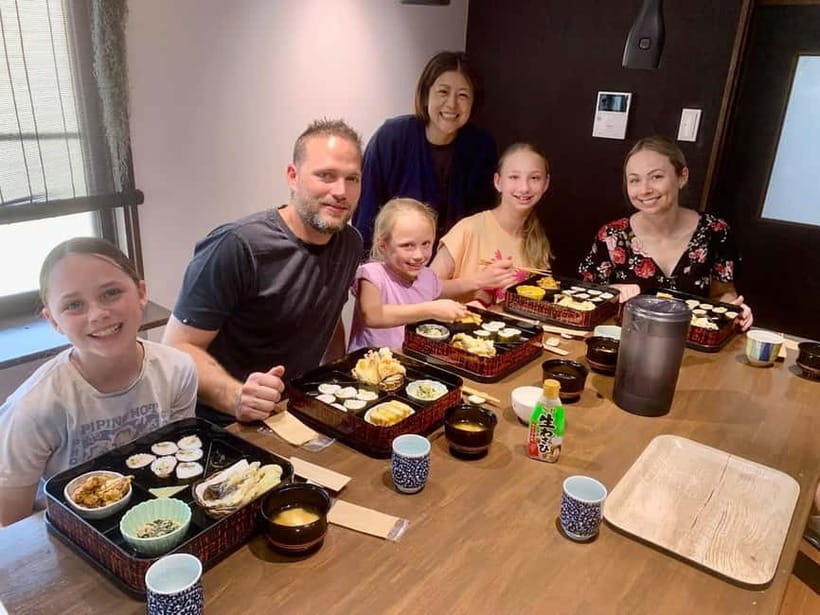
- Small group size (up to 5) keeps the coaching personal and the pace friendly.
- Washoku bento means you learn how to balance flavors, colors, and textures, not just make food.
- Dashi stock and tempura frying are practical skills you can repeat at home.
- Knife approach gets taught as a technique, not a vague tip.
- You eat what you cook at the end, so there is no waiting around for your meal.
Cook it yourself instead. Other kitchens in Kyoto
- Sushi Making in Kyoto! Same-day bookings welcome!
★ 5.0 · 713 reviews - Kyoto: Ramen Cooking Class at a Ramen Factory with Souvenir
★ 4.9 · 532 reviews - Kyoto: Ramen, Gyoza, and Onigiri Cooking Class
★ 5.0 · 445 reviews - The Original Small-Group Sushi Making Class in Kyoto
★ 5.0 · 436 reviews
Why Kyoto Bento Cooking Feels So Much More Real Than a Demo
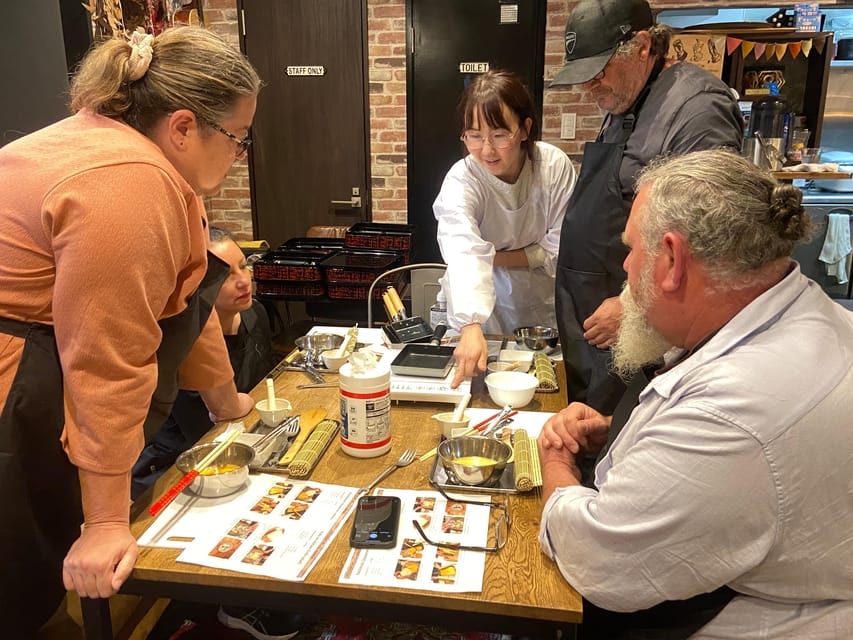
Kyoto is famous for refined food, but this class keeps it down to earth. Bento is everyday Japanese lunch culture, portable and built out of separate bites that work together. The best part here is that you do the work, so the logic of bento starts to make sense in your hands.
The cooking centers on washoku, the Japanese approach that prizes fresh, seasonal ingredients and a harmonious mix of flavors, colors, and textures. That might sound like a food-essay phrase, but in practice it means your choices matter: how you cook, how you season, and how you portion all connect. Instead of chasing one dish, you’re assembling a small edible picture.
I also like how the class treats two big skill areas as learnable basics. You practice making dashi stock and frying tempura, plus you get coached on knife technique. Those are the kinds of skills that travel well. Once you understand the method, you can adapt it at home with what you can find.
A final reason this hits: you leave with a bento box worth eating, not just a platter of samples.
Meeting at Kyoto Laundry Cafe Near Saiin Station
Your meeting point is Kyoto Laundry Cafe in Kyoto. The class runs near Saiin station (Hankyu Railway), and the cafe is about five minutes from the station, so it’s workable even if you’re using local transit.
On the day, the chef comes to pick you up at the meeting spot. The important practical takeaway is simple: be early enough that you’re not rushed. Late arrival can get your reservation canceled, so plan for a buffer, especially if you’re navigating public transit in a city you might not know yet.
If you like clear, low-stress starts, this is the kind of setup that helps. You’re not hunting around Kyoto for some invisible classroom door. You have a named cafe, you show up, and the cooking team pulls you into the flow.
Washoku and Bento 101, the Flavor Logic Behind the Box
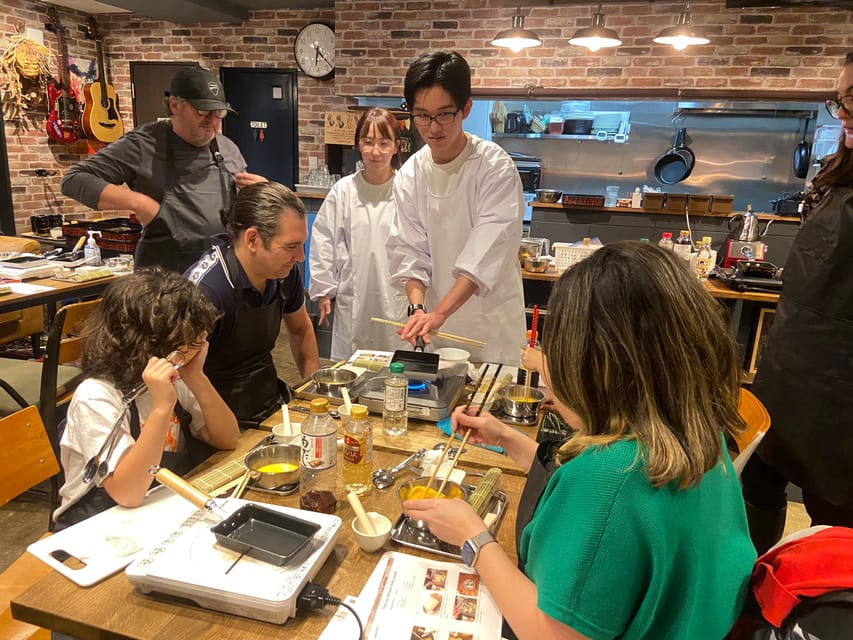
Before the stove starts sizzling, you build context. Bento is not one recipe. It’s a system. You’re learning that Japanese people often eat lunch in separate compartments, with each dish carrying its own flavor and texture, while still fitting together.
The class frames washoku the same way: fresh and seasonal ingredients, plus balance. Think of it like a tiny menu. You want something savory, something comforting, something crisp or fried, something that cuts through richness. You also want variety in texture, because that’s how you keep a portable meal from feeling flat.
In real terms, this lesson helps you when you start plating at home. Even if you don’t make the exact same dishes again, you’ll understand why a bento works.
- PERFECT KYOTO 1-Day Bus Tour★ 5.0 · 13,518 reviews
- Kyoto: Fushimi Inari, Kinkakuji, Bamboo Grove 1 Day Bus Tour★ 4.8 · 4,316 reviews
- Kyoto: Tea Ceremony in a Traditional Tea House in Kiyomizu★ 4.9 · 3,519 reviews
- Kyoto Geisha Walking Tour: Gion District & Hidden Gems★ 4.7 · 3,273 reviews
- Kyoto: Tea Ceremony Ju-An at Jotokuji Temple★ 4.9 · 3,207 reviews
Knife Skills in a Kyoto Kitchen, Not a Classroom
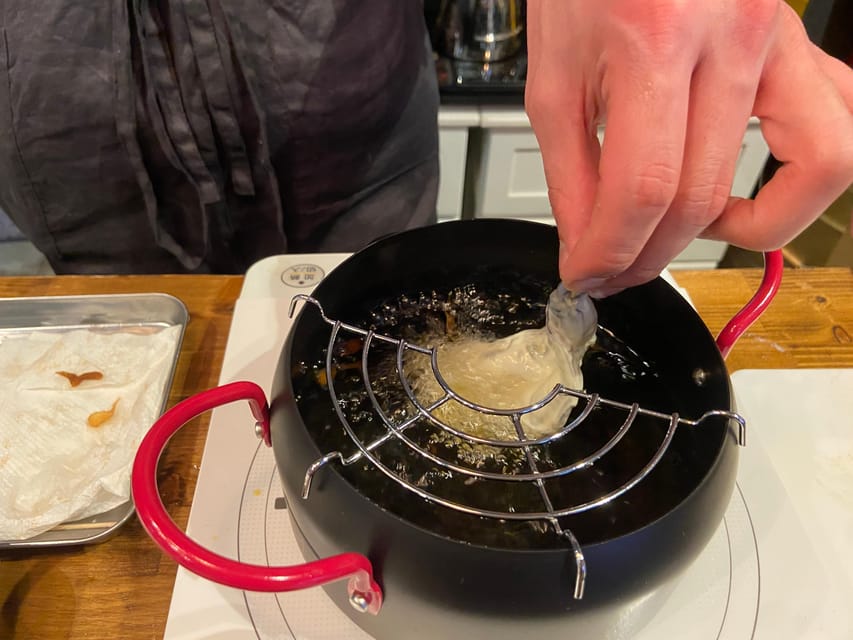
Knife skills can be overhyped in some cooking classes. Here, it’s more grounded. You improve your knife technique and you learn the Japanese approach to prep.
That matters more than you might think. Good knife work speeds everything up and makes cooking more consistent. When pieces are closer in size, they cook more evenly, and you spend less time guessing.
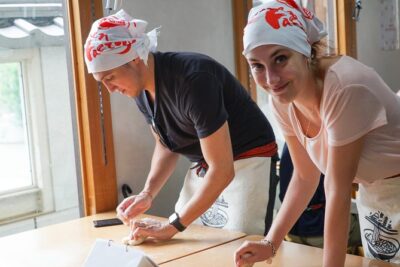
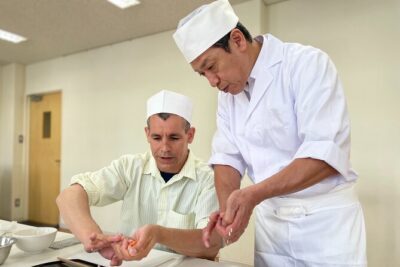
You also get coached on how to handle your knife skilfully like a Japanese chef. The vibe is practical: watch closely, then do it yourself with the instructor there to correct your form. If you’ve ever chopped at home and thought, I’m doing it, but why does it never look like theirs, this is the kind of class that answers that.
In the feedback, people repeatedly highlight how friendly, supportive, and encouraging the chefs were, and how clearly they guided participants through each step. That kind of teaching style makes knife practice less intimidating and more fun.
Tempura Frying and Dashi Stock, Two Skills That Change Everything
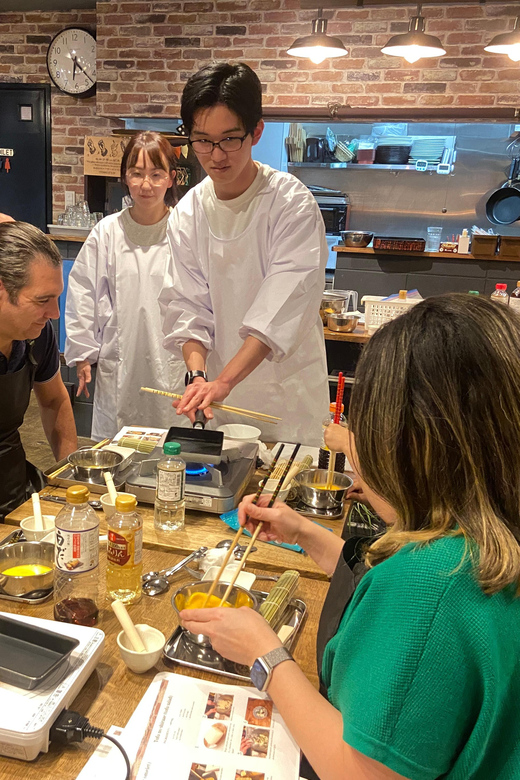
If you want the biggest “I can use this later” payoff, it’s tempura and dashi.
You learn how to fry tempura properly, which goes beyond just making something crunchy. Tempura is about technique and timing, and the class teaches you how to approach it step by step. You get hands-on practice, so you’re not leaving with only theory.
Then there’s dashi. Dashi stock is the flavor backbone behind a ton of Japanese cooking. One of the strongest reasons to do this class early in your trip is that it gives you a mental model for why Japanese dishes taste the way they do. When you make your own dashi, you start to connect the dots between soups, sauces, and even the way bento dishes season.
A lot of people in the class feedback specifically praise how the dashi explanation was clear and how the class preparation kept everything flowing smoothly. That’s a big deal in cooking classes, because when the schedule is tight, shaky instruction can turn fun work into frustration.
Here, the method gets taught so you can actually repeat it.
The Four Bento Dishes You Will Make
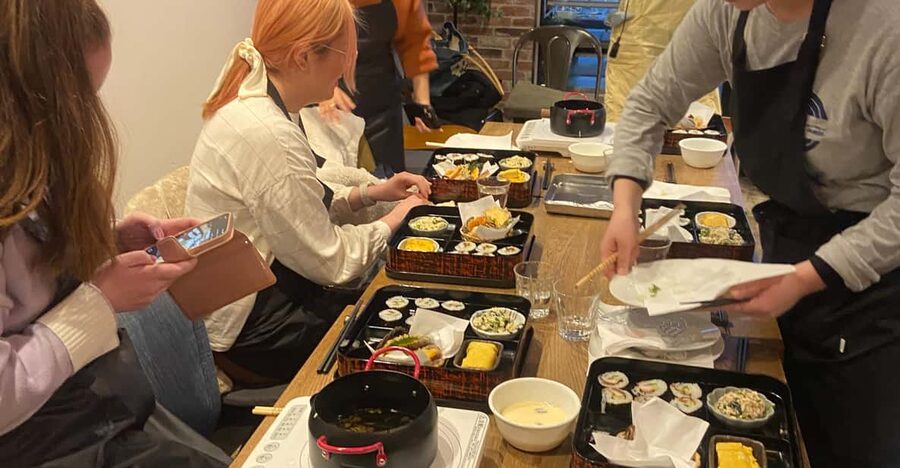
You make four dishes that come together as your own bento box. Exact dishes listed for the class include sushi rolls, tempura, tofu salad, and a Japanese rolled omelette.
You’ll likely find each component teaches a different kind of skill:
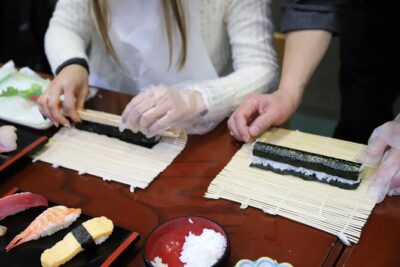
- Sushi rolls build assembly and help you understand the “portable bite” idea behind bento.
- Tempura trains frying technique and texture control, the crisp versus greasy balance.
- Tofu salad, including sesame tofu elements, shows you how simple ingredients become exciting with the right dressing approach.
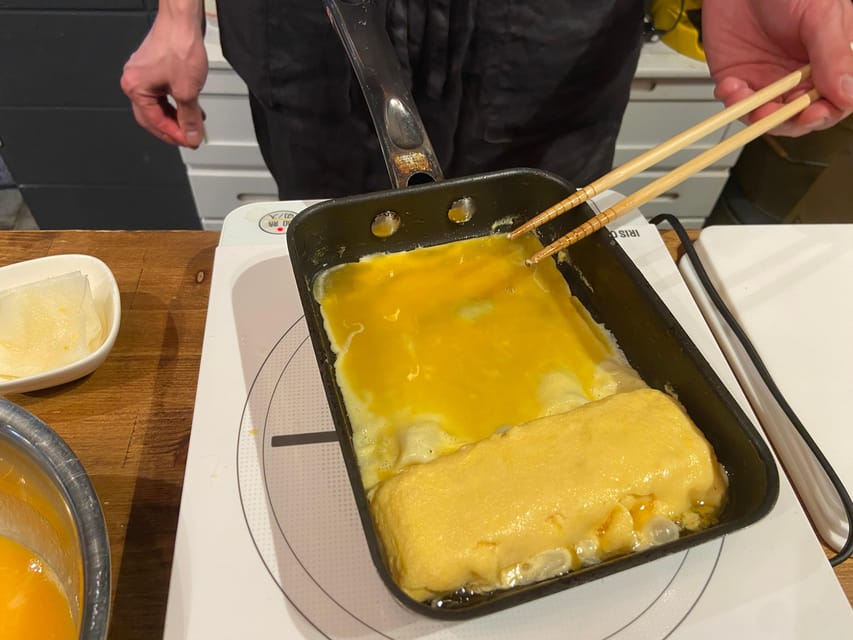
- Japanese rolled omelette, often discussed as dashimaki, teaches slicing and rolling style cooking that looks impressive on a plate.
One of the best parts of cooking a full bento is variety. You don’t get stuck doing the same motion for hours. Different tools come out. Different techniques show up. You taste your progress as you go, and the final box looks like it belongs on a lunch table, not in a class photo.
And yes, you should come hungry. Multiple people mention that they made a huge amount of food and left feeling well fed.
Cooking Together and Then Eating the Bento, Guided but Relaxed
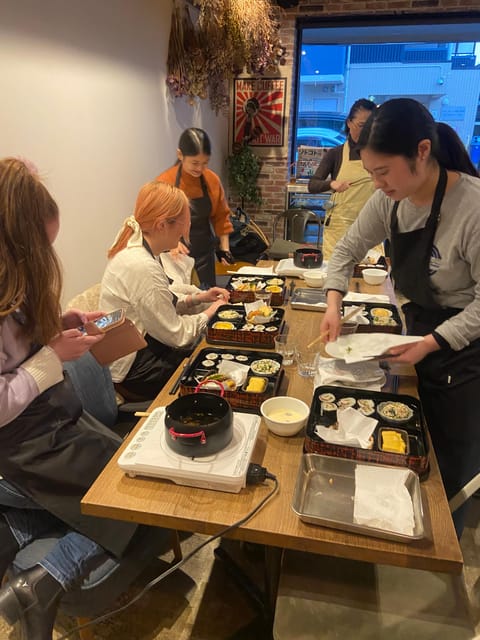
After cooking, you eat together as a group. This is where it clicks. Bento isn’t just a list of dishes. It becomes a meal with rhythm.
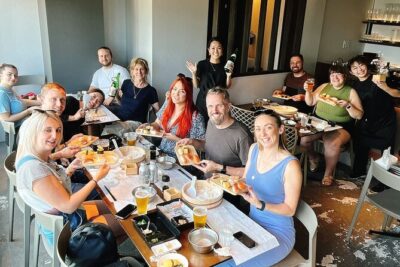
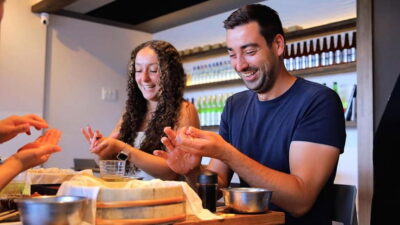
You’ll chat with your classmates while you eat, and that social time makes the whole experience feel like an afternoon with people, not a rushed production line. Several people also describe the atmosphere as relaxed and welcoming, with chefs who answered questions and kept the tone encouraging.
As you taste, pay attention to what makes the bento feel balanced:
- how the fried tempura contrasts with softer bites,
- how tofu salad provides freshness and lightness,
- how dashi-supported elements create depth,
- how the rolled omelette ties things together with a comforting savory note.
Even if you don’t study food science, you’ll start noticing the structure.
What You Can Recreate at Home (Beyond Just Copying Recipes)
This is the part I care about when I choose cooking classes. I want skills that survive the trip.
Here, you’re learning the kinds of techniques that show up in many Japanese meals:
- Knife prep habits that improve consistency
- Dashi stock building, which you can use in future cooking
- Tempura frying technique that helps you chase a better texture
- Bento assembly logic, portioning multiple flavors and textures together
Some feedback also points out that recipes were provided afterward via email. If that happens for your class group, it’s a major bonus. You can turn this into a repeatable routine, like making a bento lunch a few times after you get home.
Even without emailed recipes, you’ll have a strong memory of the method. And because you cooked all components, you can troubleshoot yourself next time. That’s worth more than a single meal.
One additional practical note: one booking mentioned the chef made an appropriate substitution for a shrimp allergy. If you have allergies or dietary limits, you should tell the instructor when you book, and be clear about what you can and can’t eat.
Price and Value for 150 Minutes in a Small Group
At $58 per person for 150 minutes, you’re paying for more than ingredients. You’re paying for small-group instruction, equipment, and time with chefs who guide you through technique like dashi and tempura.
Here’s why the value feels solid:
- You cook four dishes and eat the results.
- The class includes an instructor, ingredients, aprons, and equipment.
- Limited group size means you’re not waiting in line for help.
- You leave with practical skills, not just a full stomach.
In Kyoto, food experiences can get pricey fast. This one is centered on skill building plus a meal, which is a better match for most people than paying for a tour-only food stop.
Also, you’re not doing this in a giant class where your questions get lost. With up to five participants, your learning stays personal.
Who Should Book This Kyoto Class, and Who Might Skip It
This fits best if you like hands-on travel. If you enjoy cooking, want to learn why things taste the way they do, or want a memorable first “how do Japanese meals work” lesson, you’ll likely enjoy this a lot.
It also makes sense for couples and small groups. The class is limited to 5 participants, and many people describe it as intimate and enjoyable for pairs. Solo travelers can also do well here because the cooking is collaborative and the chef interaction stays direct.
A few important filters from the tour information:
- It is not suitable for wheelchair users.
- It is not suitable for people with diabetes.
- It is not suitable for babies under 1 year, and it lists children under 2, under 3, and under 4 as not suitable.
If you’re in the right age range and you can handle active cooking, you should be fine. One guest did this with a 9-year-old child, and reported it as a highlight. That hints the class can be engaging for kids old enough to follow instructions and handle kitchen tasks safely.
If you’re the type who only wants a tasting, pick something else. This class is about making.
Final Call, Should You Book This Kyoto Bento Cooking Class?
I’d recommend booking if you want a practical Kyoto experience that teaches more than Instagram-friendly food. The combination of washoku bento, hands-on prep, dashi, and tempura gives you skills you can use back home. Plus, the small-group size keeps the coaching close and the pace comfortable.
Book it especially if you’re early in your trip and want a foundation. Once you understand dashi and bento logic, the rest of your Kyoto eating feels smarter.
Skip it if you don’t want an active cooking session, if your mobility needs prevent participation, or if you fall into the not-suitable categories listed. Also, if you hate being on the clock with a pick-up at a fixed meeting point, plan your arrival carefully. This class does not wait around.
FAQ
How long is the Kyoto washoku bento cooking class?
The class lasts 150 minutes.
How many people are in the small group?
The group is limited to 5 participants.
Where is the meeting point for the class?
You meet at KYŌTO LAUNDRY CAFE, near Saiin station (Hankyu Railway).
What dishes will I be making?
You will make four dishes, including sushi rolls, tempura, tofu salad, and a Japanese rolled omelette.
Is the class taught in English?
Yes. The instructor speaks English and Japanese.
What is included in the price?
The price includes the instructor, the cooking class, ingredients, four dishes, and aprons and other equipment.
Is it possible to cancel and get a refund?
Yes, free cancellation is available up to 24 hours in advance for a full refund.
Is the experience accessible for wheelchair users or people with diabetes?
No. It is not suitable for wheelchair users or for people with diabetes.
Kitchens You Can Book Into
Newest Kyoto write-ups from the Loving Japan desk

Japanese Cooking Classes, side by side.
 ★ 5.0Sushi Making Tokyo Roll and Authentic Japanese Sushi ClassFrom $593,971 reviews
 ★ 4.9Roll and Authentic Sushi Making Class in AsakusaFrom $581,957 reviews
 ★ 5.0Ramen Cooking Class at Ramen Factory in KyotoFrom $1311,937 reviews
 ★ 4.9Sushi Making Class in a Happi Coat near a Famous SpotFrom $421,377 reviews
 ★ 5.0Sushi Making Osaka Roll and Authentic Japanese Sushi ClassFrom $311,220 reviews
 ★ 5.0Tokyo Sushi Making Class in Tsukiji with Professional ChefFrom $491,177 reviews
 ★ 5.0Ramen & Gyoza Cooking Class in Tokyo with Local Supermarket VisitFrom $122823 reviews
 ★ 5.0Tsukiji Fish Market Guided Tour and Sushi Making with Pro ChefFrom $104775 reviews
Filed on these lists too