
REVIEW · JAPANESE CRAFT AND CALLIGRAPHY WORKSHOPS
Kyoto: Make Your Own “Daruma” Craft & Painting Workshop
Paint a Daruma, take Kyoto home.
This small-group workshop lets you make your own papier mâché figurine, then personalize it with paint, with a local artist guiding you in English. I love how hands-on and relaxing it feels, and I love that the finished piece is a real, one-of-a-kind souvenir you can carry home. One thing to consider: it is only a 2-hour session, so you’ll want to plan on careful packing so your fresh paint does not get smudged.
You meet the host right in the workshop, and you get a complimentary drink plus traditional Japanese confectionery while you work. The pace is calm, and the instructor explains the symbolism behind Daruma, lucky cat, dogs, and kitsune (fox) shapes as you paint, including practical tips if you are traveling with your creation.
In This Review
- Key things to know before you go
- Papier Mâché Daruma in Kyoto, why this workshop feels personal
- What You Will Make: Daruma, Lucky Cat, dog, and Kitsune options
- The 2-Hour Flow, from first paint strokes to take-home souvenir
- Start: pick your figurine and get set up
- Middle: paint your style, step by step
- Culture time: symbolism and Kyoto context
- Finish: ready to take it home
- Tea, sweets, and the small-group pace with May
- Meaning Behind Daruma and Fox Figurines, what the symbolism adds
- Where temple and shrine time fits into this Kyoto workshop
- Rain-Friendly Reality Check, keeping acrylic paint looking good
- Price and Value: $25 for a made-by-you Kyoto keepsake
- Who this Kyoto craft workshop suits best
- A few practical tips before you go
- Should You Book This Kyoto Daruma Workshop?
- FAQ
- How long is the Kyoto Daruma craft and painting workshop?
- How much does it cost?
- What do I create during the workshop?
- What is included in the price?
- Do I need any prior art experience?
- Is the workshop in English?
- Is the workshop wheelchair accessible?
Key things to know before you go
- Small group of up to 4, so you get real attention, not a factory line.
- You paint your own papier mâché keepsake, so it is personal, not generic.
- Included tea and traditional sweets, part of the relaxed rhythm of the class.
- Symbol meaning as you paint, so your figurine feels connected to Japanese culture.
- Suitable for all ages and skill levels, no craft background needed.
- Wheelchair accessible, so you can plan this without guessing about access.
Make something to take home. Other workshops
- Kyoto : Chopsticks Making Workshop in Gion with Engraving Option
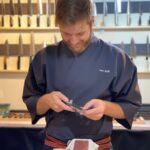
★ 5.0 · 958 reviews - Authentic knife making experience at a blacksmith in Kyoto
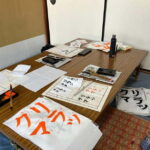
★ 4.8 · 350 reviews - Kyoto: Calligraphy class at Buddhist temple in city center
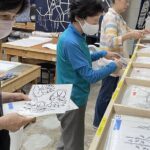
★ 5.0 · 167 reviews - Roketsu dyeing experience: M course Roketsu Dyeing Experience
★ 5.0 · 163 reviews
Papier Mâché Daruma in Kyoto, why this workshop feels personal
Kyoto can be all gates, incense, and long walking days. This workshop is a nice change of pace. In two hours, you do something practical with your hands, and you leave with an object you created yourself, not just a photo.
What makes it work is the setup. It is a newly renovated boutique workshop in the heart of Kyoto, and it stays deliberately small, capped at four participants. That size matters in a craft class. You can ask questions, get encouragement, and adjust your style without feeling rushed.
I also like that it is not pretending you are an artist-in-residence. You are given all the needed materials. You choose the shape you want to paint, then you personalize it your way. The instructor guides you, shares context, and helps you make decisions as you go.
A small caution, because it is worth saying plainly: since you are painting a three-dimensional figurine that you will take home, you should treat it like something delicate until it is fully handled and packed. It is manageable, just don’t toss it in your bag.
What You Will Make: Daruma, Lucky Cat, dog, and Kitsune options
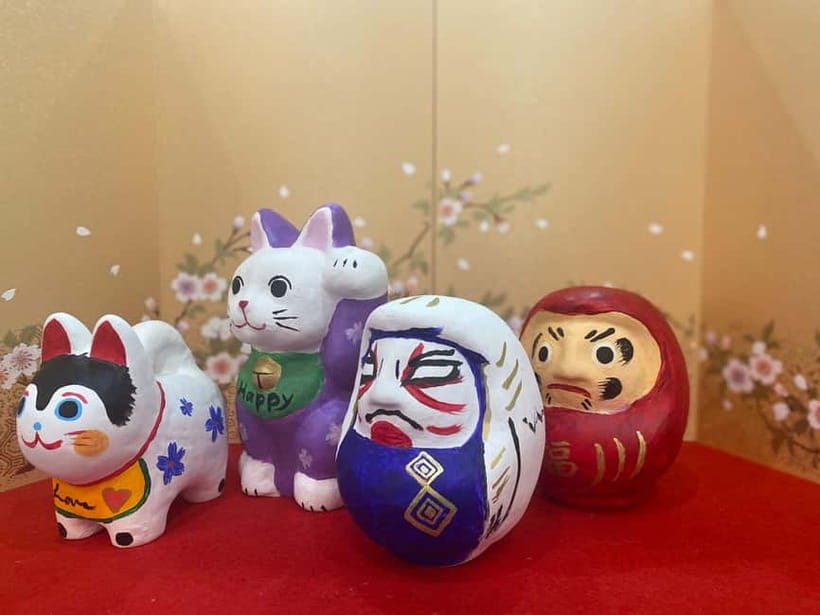
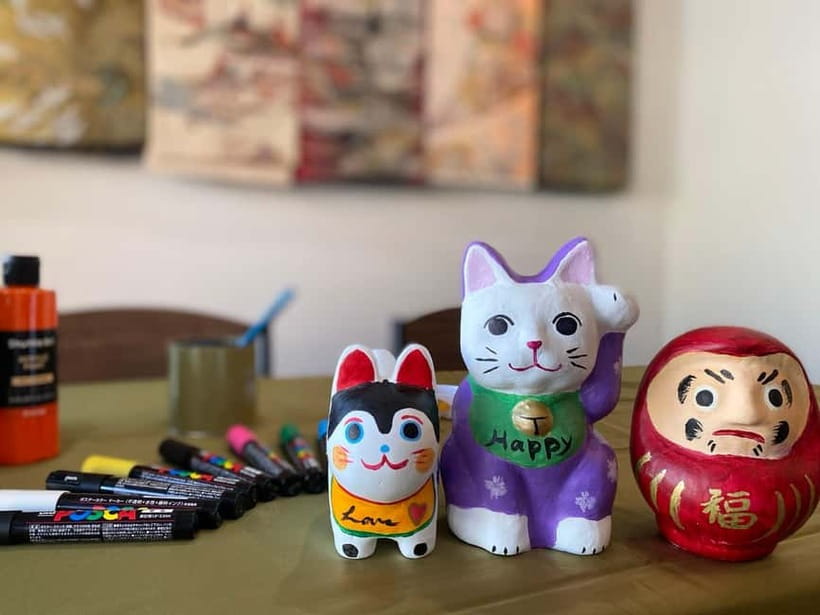
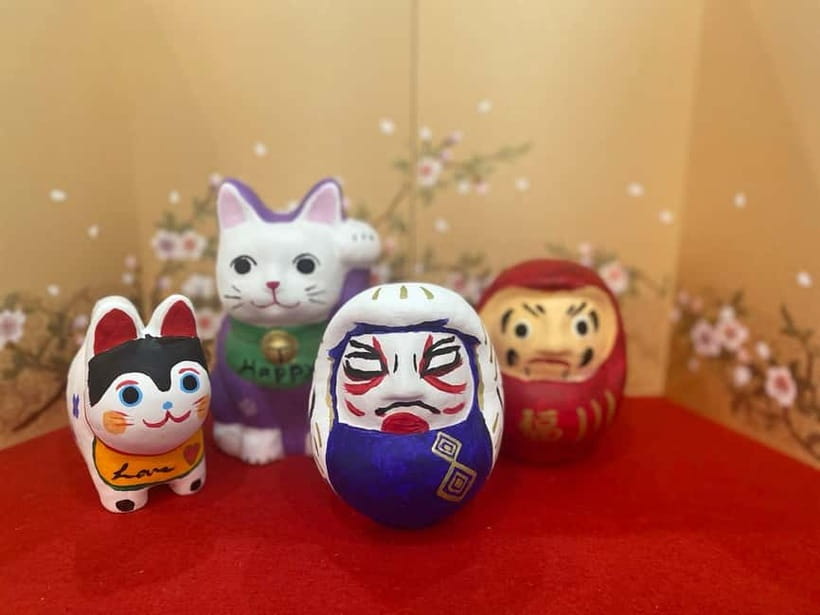
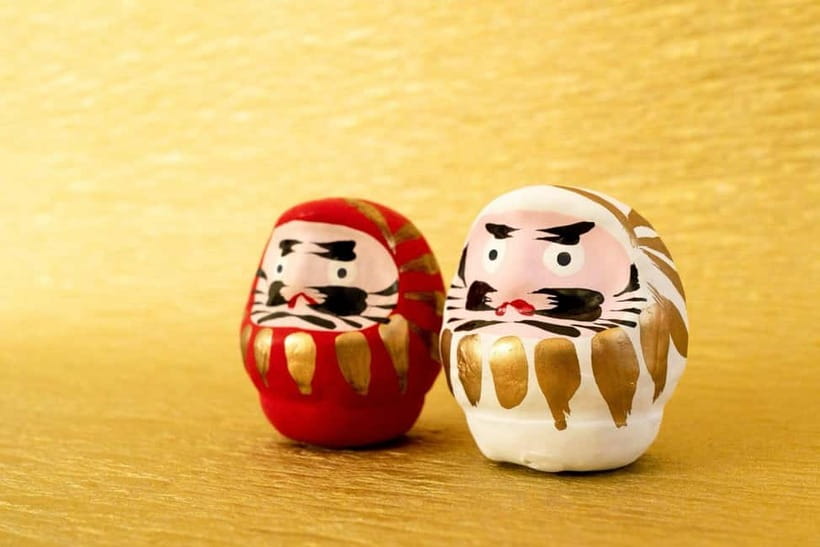
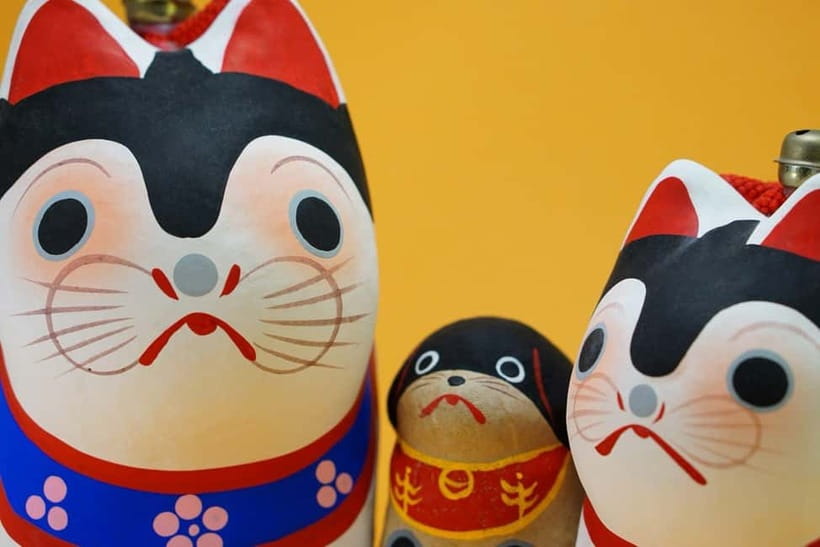
The workshop centers on papier mâché figurines tied to Japanese motifs. You can paint a Daruma style piece, and you may also paint a lucky cat, a dog, or a kitsune (fox) figurine, depending on what you choose in class.
Here is why that variety is more fun than it sounds. Daruma is instantly recognizable, but the fox and dog options help you branch into different visual themes, colors, and expressions. Even if you keep it simple, you are not stuck copying one exact design.
The class also explains the symbolism behind these traditional shapes as you craft. You are not just painting for decoration. You learn what the shapes traditionally represent, which changes how you look at color choices and patterns. For example, Daruma symbolism usually connects to luck and perseverance, while kitsune are tied to folklore and stories. You do not need to memorize every detail, but the meaning makes the figurine feel intentional.
The 2-Hour Flow, from first paint strokes to take-home souvenir
This is a straightforward, low-stress session. The duration is two hours, and the host meets you at the workshop. When you arrive, you enter the workshop, and your host is there to greet you.
Even without a written agenda full of stops, the class has clear stages:
- PERFECT KYOTO 1-Day Bus Tour★ 5.0 · 13,518 reviews
- Kyoto: Fushimi Inari, Kinkakuji, Bamboo Grove 1 Day Bus Tour★ 4.8 · 4,316 reviews
- Kyoto: Tea Ceremony in a Traditional Tea House in Kiyomizu★ 4.9 · 3,519 reviews
- Kyoto Geisha Walking Tour: Gion District & Hidden Gems★ 4.7 · 3,273 reviews
- Kyoto: Tea Ceremony Ju-An at Jotokuji Temple★ 4.9 · 3,207 reviews
Start: pick your figurine and get set up
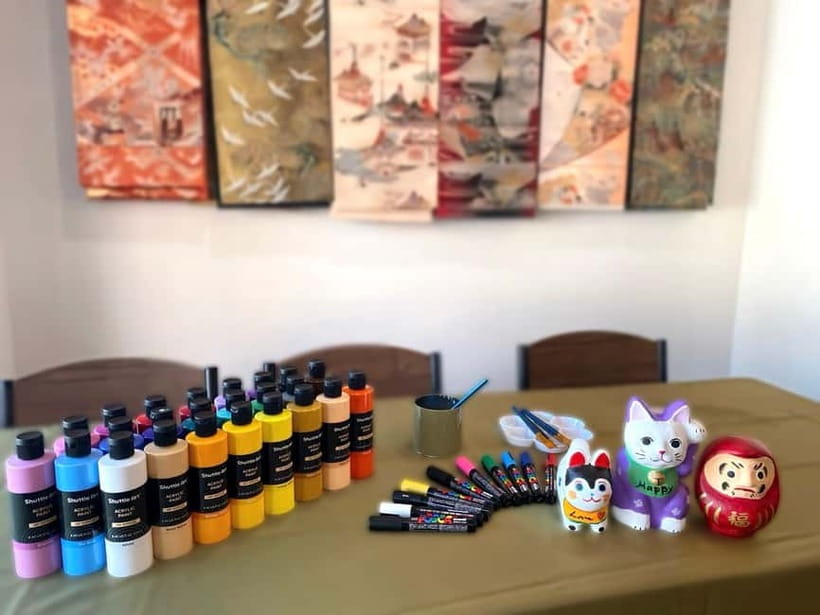
You begin by selecting your papier mâché base. The instructor provides all necessary materials, so you are not hunting for brushes, paint, or tools at the last minute. Then you get oriented on how to hold and paint the figurine, so you do not smear your work or fight the shape.
Middle: paint your style, step by step
Most of the time is spent painting. You personalize the figure with acrylic paint in the style you want. The instructor offers suggestions when you ask, but it is not a do-it-my-way class.
This matters if you want the experience to feel relaxing. The small group size helps the instructor tailor help. If you are nervous about messing up, you typically get gentle guidance and encouragement rather than pressure.
Culture time: symbolism and Kyoto context
As you paint, you learn about the historically significant temple and shrine themes in the surrounding Kyoto area. The workshop also connects the figurine shapes to Japanese traditions. In practice, this often happens through conversation while you work, which makes the learning feel natural, not like a lecture.
Finish: ready to take it home
At the end, you take your finished creation. That is a big part of the value here. Many Kyoto souvenirs are purchased. This one is made by you, which makes it easier to remember specific colors you chose and the mood you were in when you made it.
Tea, sweets, and the small-group pace with May
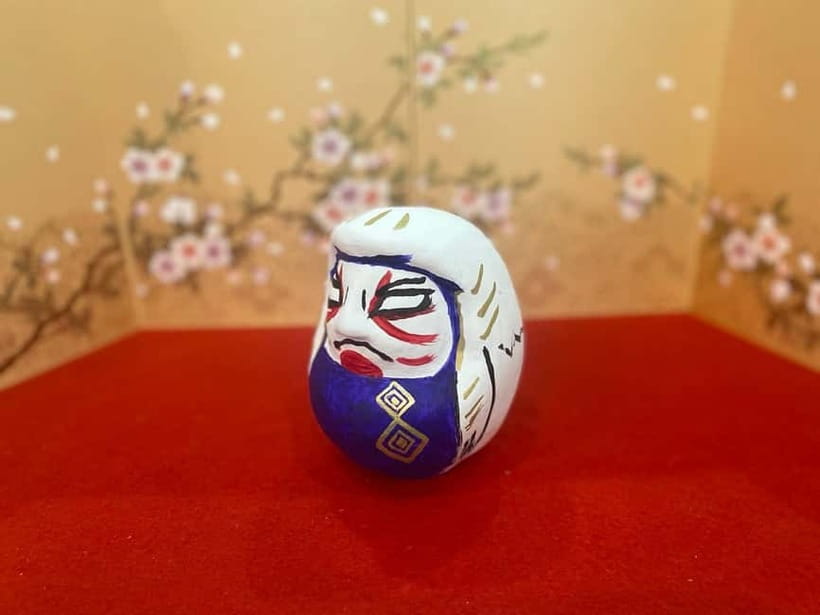
One of the nicest parts is the built-in break. You get a complimentary drink plus a choice of traditional Japanese confectionery. People often treat craft time as something you fit in around sightseeing. This one gives you permission to slow down and enjoy the session itself.
The host is May (you may see it spelled as Mei in some confirmations). She is an artist and the kind of instructor who makes chatting feel normal. In a small setup, that means you can ask about Kyoto neighborhoods, traditions, or what to see next. And when you want quiet, you can just paint.
Because the group is limited to four, the class atmosphere tends to stay calm. It is peaceful enough that it works even if you have no confidence in your drawing skills. I like that the class encourages creativity without turning it into a competition.
Also, note that English instruction is available. If your Japanese is limited, you can still understand what you are making and why it matters.
Meaning Behind Daruma and Fox Figurines, what the symbolism adds
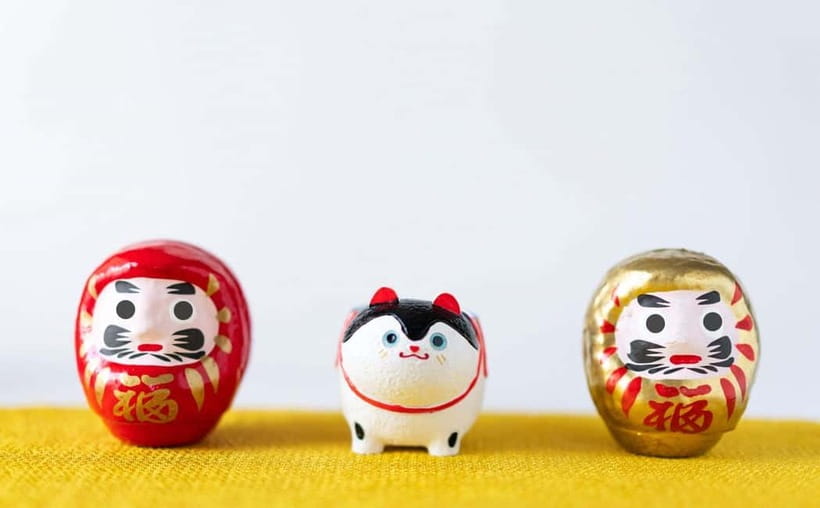
This is not a workshop where symbolism is tacked on at the end. It is part of the experience while you paint. That makes your finished figurine feel more meaningful, and it helps you connect it to Japanese culture beyond the art style.
Here is the basic idea: Daruma and other traditional shapes are tied to beliefs, stories, and cultural values. When you understand what the shapes represent, your choices stop being random. Even small details, like eyes, patterns, or a playful color, can feel like your own interpretation of a tradition.
Kitsune (fox) symbolism adds a fun storytelling angle. Dogs bring a different emotional tone. Lucky cat motifs, meanwhile, are popular for a reason, because they communicate good fortune in a friendly, approachable way.
And because the instructor explains the meaning during the session, you can ask questions in the moment. That is a better way to learn than reading a sign after you’ve already walked away.
Where temple and shrine time fits into this Kyoto workshop
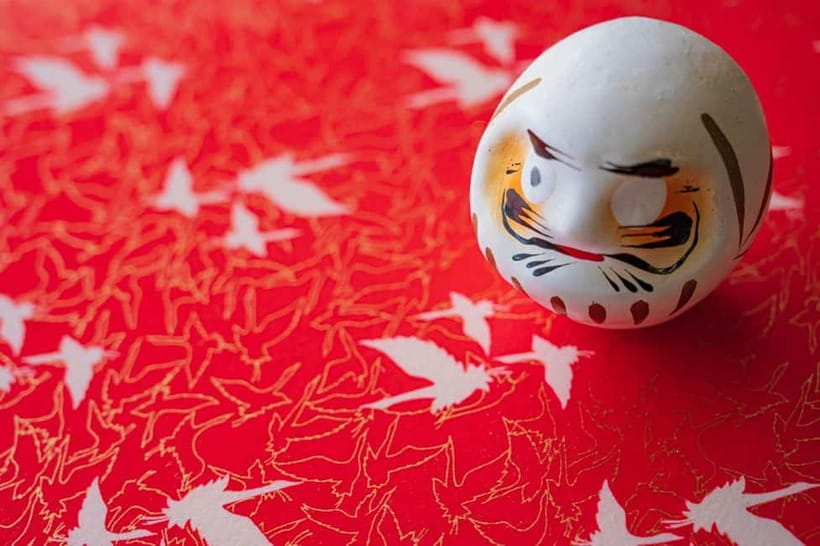
The workshop does more than sit you inside a craft store with paint on your hands. The experience includes learning about historically significant temples and shrines in the surrounding area.
Since the session is only two hours, you should think of this as context and orientation, not a full shrine-hopping tour. You may hear about nearby places as part of the conversation while you work. That is still valuable. Kyoto can be overwhelming if you see it as a checklist. Getting a local lens helps you decide what to prioritize later, when you are actually ready to walk.
If you already have temples on your itinerary, this class can function as a palate cleanser between heavier sightseeing blocks. If you do not have a clear plan yet, it can help you build one quickly based on what you find interesting while you paint.
Rain-Friendly Reality Check, keeping acrylic paint looking good
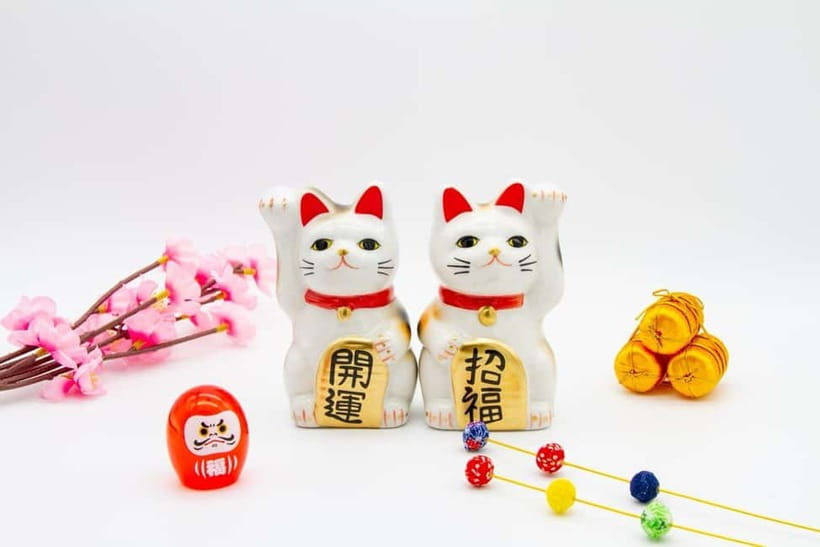
Kyoto weather can be unpredictable. Even if it is dry when you arrive, you might be dealing with mist later.
One practical tip: because you are painting with acrylic, you should plan to protect your finished piece when you travel. If rain is in the forecast, bring a bag that seals, and treat the figurine like it is fragile until it is fully handled and secured.
You do not need to panic. The key is transportation. Papier mâché can handle normal care, but fresh paint can smudge if it rubs against your tote, a jacket, or other souvenirs.
A simple approach works well:
- Use a protective bag or wrap so it does not brush other items.
- Keep it upright if possible, since it is less likely to smear.
- Avoid squeezing it into tight spaces where it could knock against hard edges.
It is a small consideration, and it helps you enjoy the souvenir instead of worrying about it.
Price and Value: $25 for a made-by-you Kyoto keepsake
At $25 per person, this is priced like an easy, affordable add-on compared to full-day tours. But it is not just a low price. It is also a smart value blend:
- You get all materials for the crafting process.
- You have a local crafts master guiding you.
- You get a complimentary drink and traditional confectionery.
- You leave with a custom souvenir you made in Kyoto.
The biggest reason it feels like good value is that it replaces the usual souvenir spending. Instead of buying a finished Daruma or lucky cat, you invest in a guided creative session that results in an object with your own choices. That makes it more likely you will keep it, not just store it in a drawer.
Also, with small-group limits, you get more time and attention without paying for a private lesson.
If you are doing Kyoto on a budget, this is one of those activities that stays affordable but still feels like something you cannot do at home.
Who this Kyoto craft workshop suits best
This workshop is built for broad comfort levels. It is suitable for all ages, and no prior experience or skills are required.
It is a great fit if:
- You want a calm break from temples and crowds.
- You like hands-on activities, even if your art skills are rusty.
- You want a meaningful souvenir tied to your own creative decisions.
- You are traveling with family, including younger kids, because the setup is friendly for different ages.
It is also a strong option for couples and solo travelers. The small group format helps it feel personal, and the tea-and-sweets rhythm makes it easy to enjoy without feeling like you need to keep moving.
Accessibility-wise, it is wheelchair accessible, which is a real advantage in a city where some workshops and small storefront spaces can be tricky.
A few practical tips before you go
To make the most of your two hours, keep these points in mind:
- Wear clothes you do not mind getting a little paint on. Accidents happen even in careful classes.
- Bring a sense of humor. Crafting is messy sometimes, and that is part of the fun.
- If you have plans later the same day, protect your finished piece during transit.
- Use the time to ask about symbolism. Even a couple of questions makes the figurine more meaningful.
- If you want quiet, you can usually keep it that way. The class is small enough that you can find your comfort level.
And if you are the type who likes knowing what comes next, this one is refreshingly simple. You arrive, you choose a figurine, you paint, you sip tea, you learn a bit, and you take home your work.
Should You Book This Kyoto Daruma Workshop?
If you want an activity that is creative, relaxed, small-group, and genuinely memorable, this is a strong yes.
I would book it if:
- You like making something yourself.
- You want a break day, rainy-day plan, or softer moment between big sightseeing.
- You care about culture, but you prefer learning through doing.
- You want a souvenir with personal meaning, not just a shop-bought item.
I would think twice if:
- You need a highly structured walking tour with fixed major stops.
- You are extremely focused on ultra-detailed, advanced art outcomes.
- You do not want to deal with transporting a hand-painted, take-home craft item.
Otherwise, it is the kind of Kyoto experience that feels like a local moment, even if you are visiting from far away. In two hours, you create something you can actually hold, and that is a rare kind of travel payoff.
FAQ
How long is the Kyoto Daruma craft and painting workshop?
The workshop lasts 2 hours.
How much does it cost?
It costs $25 per person.
What do I create during the workshop?
You paint a papier mâché figurine inspired by traditional Japanese shapes such as Daruma, and you may also paint options like lucky cat, dog, or kitsune (fox), depending on what you choose in class.
What is included in the price?
You get a complimentary drink, traditional Japanese confectionery, all necessary crafting materials, access to the papier mâché workshop, and guidance from a local crafts master.
Do I need any prior art experience?
No. No prior experience or skills are required, and the activity is suitable for all ages and skill levels.
Is the workshop in English?
Yes, instruction is available in English.
Is the workshop wheelchair accessible?
The activity is listed as wheelchair accessible.
Made by Hand, and Yours to Keep
Newest Kyoto write-ups from the Loving Japan desk
Japanese Craft and Calligraphy Workshops, side by side.
 ★ 5.0Tokyo Shinjuku Chopsticks Making ClassFrom $201,763 reviews
 ★ 4.8Chopstick Making Workshop in GinzaFrom $251,366 reviews
 ★ 5.0Chopsticks Making Workshop in Gion with Engraving OptionFrom $15958 reviews
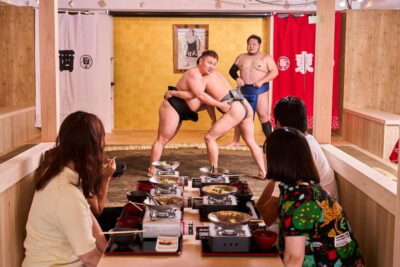 ★ 4.8Tokyo Sumo Experience: Chanko & Mochi with a Former ProFrom $103567 reviews
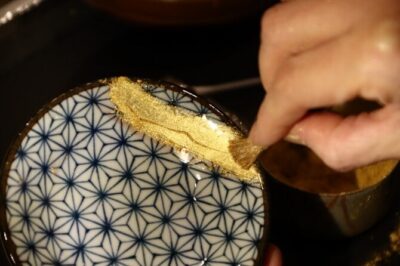 ★ 5.0Kintsugi Experience: Art of Golden Joinery in TokyoFrom $59467 reviews
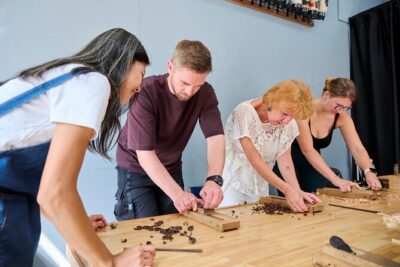 ★ 5.0Tokyo Chopstick Making Workshop with ArtisanFrom $26466 reviews
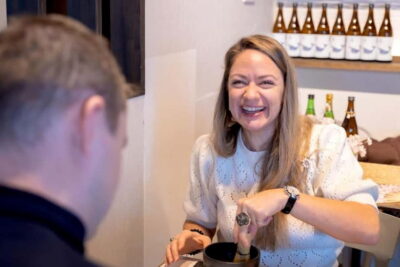 ★ 4.9Matcha Making Experience with Mochi Sweets in AsakusaFrom $22388 reviews
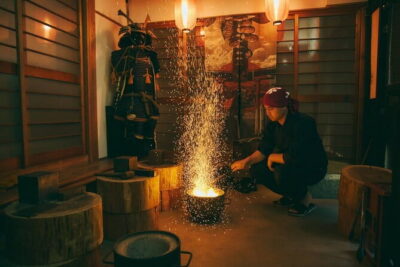 ★ 4.8Authentic knife making experience at a blacksmith in KyotoFrom $154350 reviews
Filed on these lists too