
REVIEW · JAPANESE COOKING CLASSES
Kyoto: Wagashi (Japanese sweets) Cooking near Fushimiinari
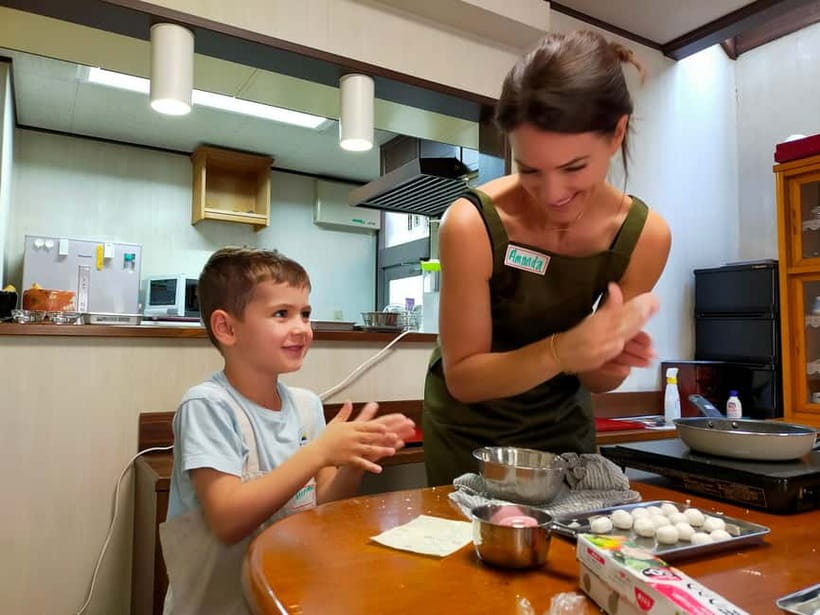
Tea and wagashi in a real Kyoto home. This Kyoto Wagashi cooking class near Fushimiinari teaches you how to make Japanese sweets in an authentic washitsu room with garden views, plus time for tea and what you made. I like that it is hands-on, not a passive demo, and that you sit down at the end to enjoy everything in the same traditional setting.
I love two things most: you cook about three wagashi yourself, and the class is run in clear English by licensed guide interpreters. You also get tea as part of the experience, and many guests end up learning a bit of matcha along the way.
One possible drawback: there is no hotel pickup, so you need to make your own way to the studio, and the space is not set up for wheelchair users.
In This Review
- Key reasons this Kyoto wagashi class is worth your time
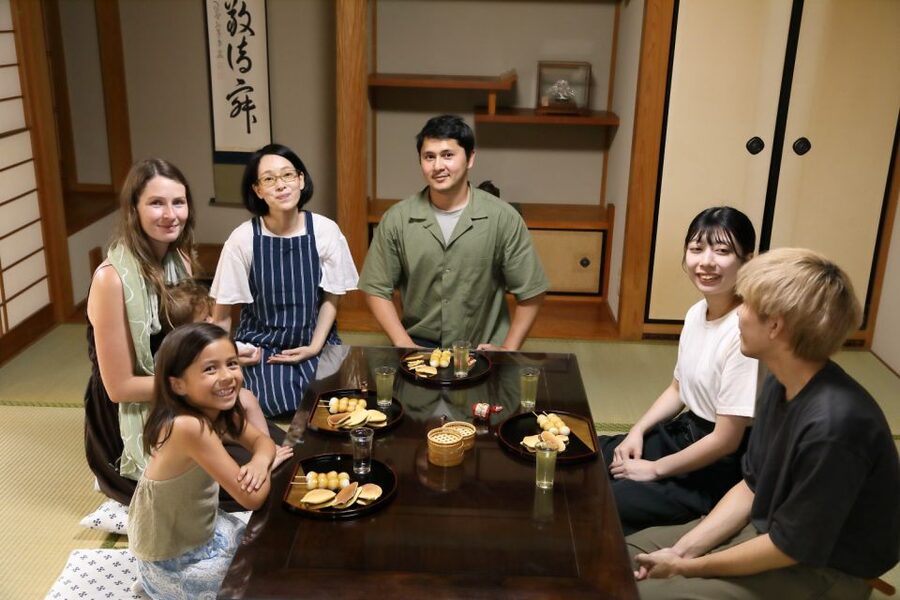
- A Kyoto Washitsu Setting Near Fushimiinari
- How the 150-Minute Wagashi Class Flows (and why it works)
- What Wagashi You Might Make: About Three Sweets, Varying by Season
- Tea, Matcha, and a Garden-View Finish
- English-Friendly Teaching That Still Feels Like a Cultural Welcome
- What You Get for $84: A Value Check for Real Cooking, Not Just Photos
- Logistics That Matter: Getting There and Planning Your Day
- Who Should Book This Wagashi Class (and who should skip it)
- Should you book the Kyoto wagashi cooking class near Fushimiinari?
- FAQ
- How long is the Kyoto wagashi cooking class?
- How many people are in the group?
- Is the class taught in English?
- What wagashi will we make?
- Is this class vegetarian or vegan friendly?
- Do we have tea during the class?
- Is it suitable for children or wheelchair users?
- Cancellation and changes
Key reasons this Kyoto wagashi class is worth your time
- Real Japanese room feel with garden views, so the setting matches the food.
- Hands-on wagashi making of about three types, with instructor demos first.
- English instruction for everyone, including non-English speakers.
- Tea and matcha time right after cooking, served in the traditional room.
- Small group limit of 6, so you get real help while you work.
- Seasonal menu flexibility so the class can change with ingredients.
Cook it yourself instead. Other kitchens in Kyoto
- Sushi Making in Kyoto! Same-day bookings welcome!
★ 5.0 · 713 reviews - Kyoto: Ramen Cooking Class at a Ramen Factory with Souvenir
★ 4.9 · 532 reviews - Kyoto: Ramen, Gyoza, and Onigiri Cooking Class
★ 5.0 · 445 reviews - The Original Small-Group Sushi Making Class in Kyoto
★ 5.0 · 436 reviews
A Kyoto Washitsu Setting Near Fushimiinari
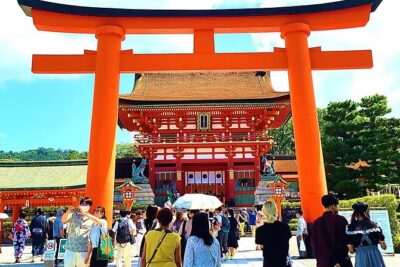
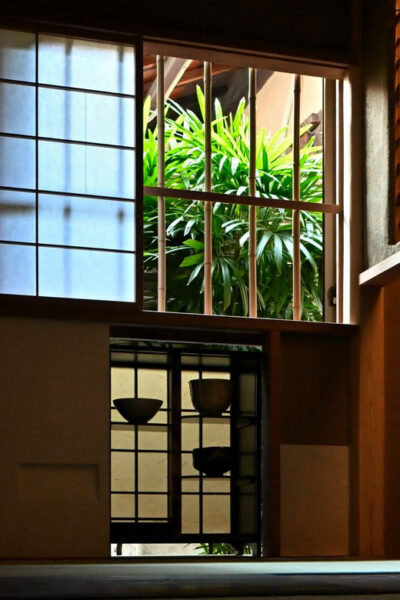
If you want Kyoto without the crowds-for-the-sake-of-crowds, this is the kind of experience that slows you down. You will be in a real Japanese house setting, with tatami-style room atmosphere, and a garden view you can actually look at while you cook and eat. The location is near Fushimiinari, which is handy because you can pair this with shrine time later without burning your whole day on transit.
What matters here is the match between place and purpose. A wagashi class feels more meaningful when the room, the tea, and the way you sit all follow the same rhythm as the sweets. Several guests highlight that relaxing moment in the room, then the feeling of being welcomed like you are getting invited over for tea, not dropped into a factory-style class.
Two practical things to keep in mind. First, the class length is 150 minutes, so plan for a focused block of your day rather than squeezing it between train transfers. Second, there is no hotel pickup, so you should be ready to handle the last leg on your own.
How the 150-Minute Wagashi Class Flows (and why it works)
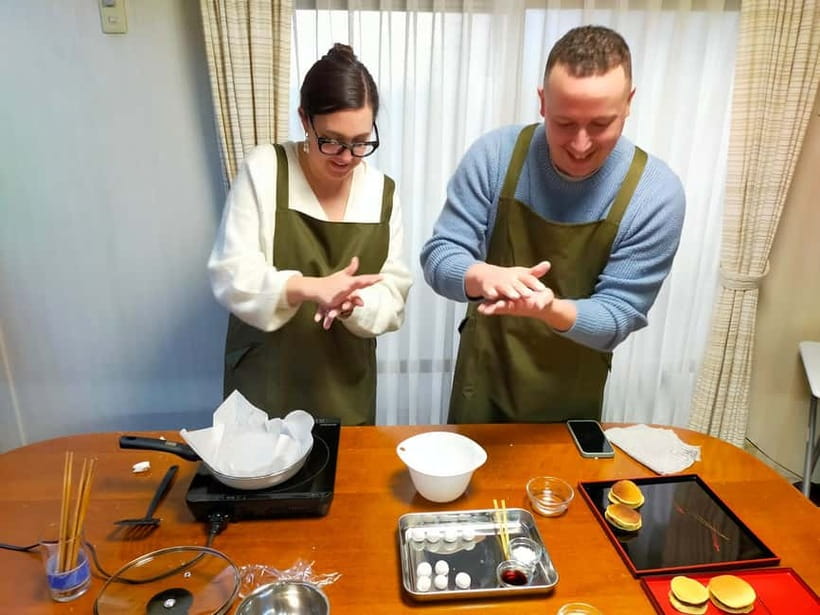
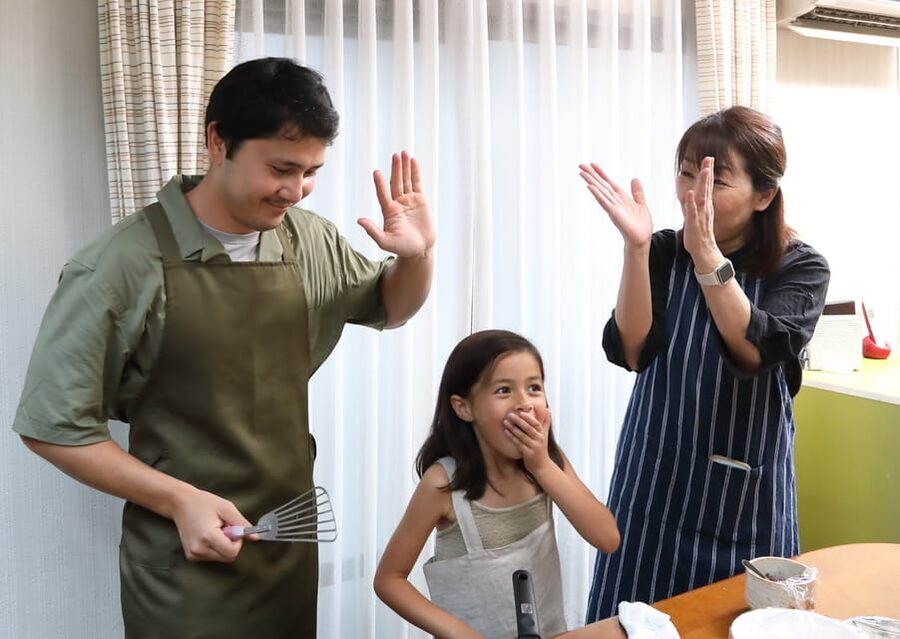
The structure is simple, and that is a good thing. You start by settling in, then the instructor demonstrates the key steps, and then you cook your wagashi. You are not just watching someone else do the work, and that is where you get the value.
A typical flow goes like this:
1) Settle in and get tea in the traditional room. This helps you calm down and focus.
2) Watch the instructor do the crucial parts first, so you understand textures, timing, and shaping.
3) Cook with your partner or with the group, depending on the day’s format, but always with hands-on tasks.
4) Sit together and eat the sweets with tea (often matcha), in the same room.
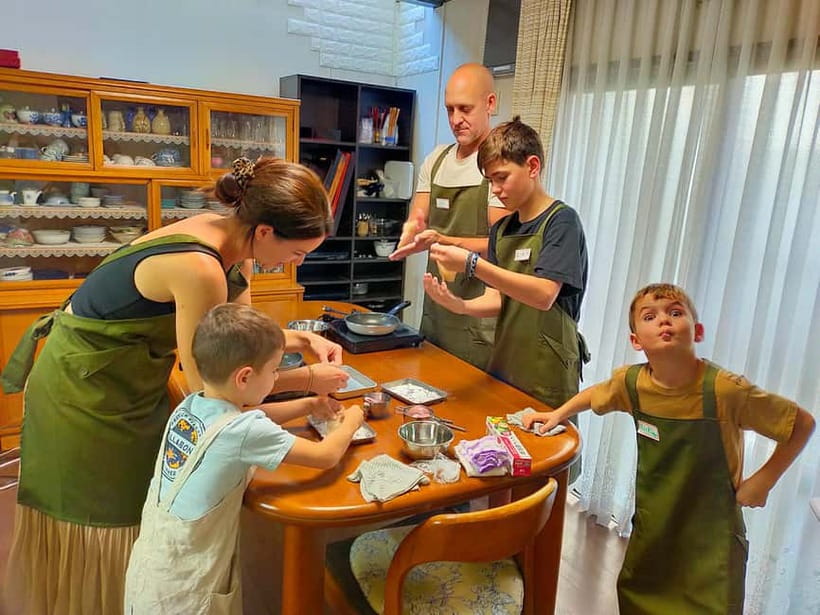
That hands-on approach is what turns wagashi from a pretty photo into something you can reproduce. It also helps if you are traveling with family or a friend because you are doing the same project together. People repeatedly mention that everyone gets a chance to participate, not just one person at the cutting board.
The small group size matters too. With a maximum of 6 participants, questions do not get lost. When you are working with delicate dough, starches, and sweets that need the right feel, that extra attention can mean better results.
What Wagashi You Might Make: About Three Sweets, Varying by Season
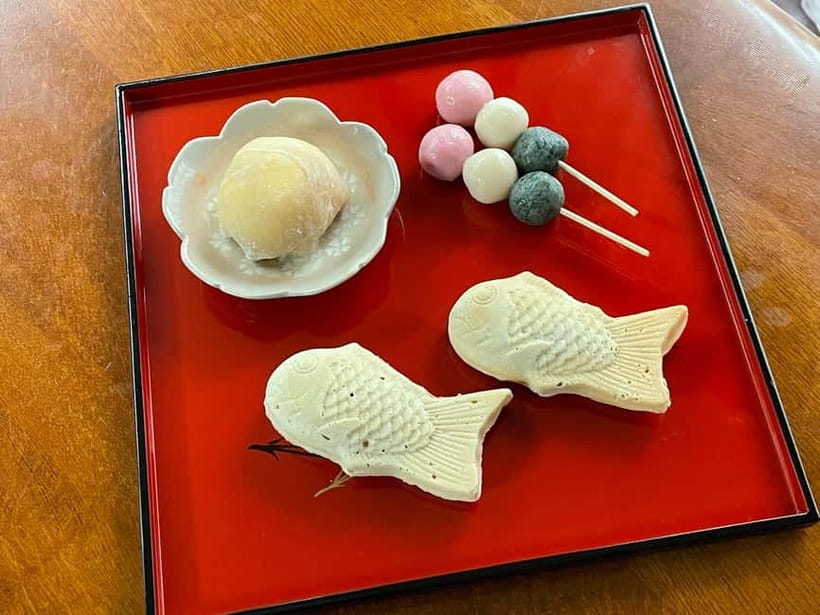
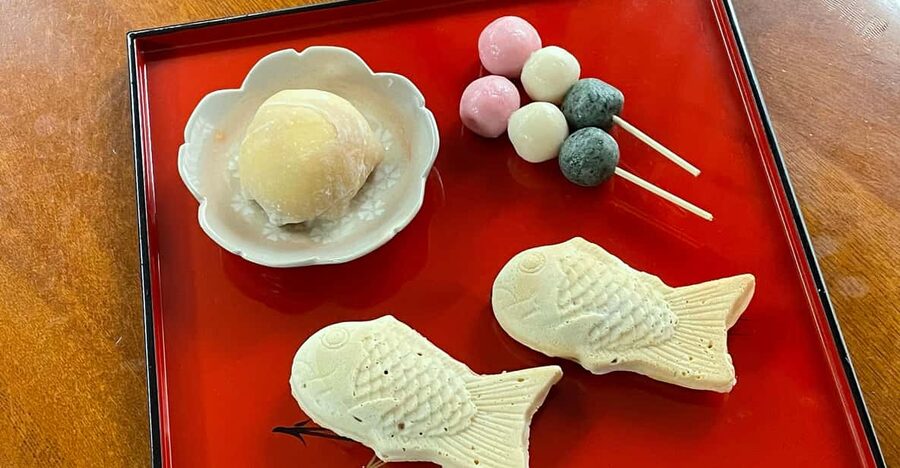
You will prepare about three different types of wagashi, and the exact menu can change by season. That seasonal swap is not a downside. It is part of why wagashi is interesting, because ingredients and shapes often reflect what is happening in the year.
From the experiences shared, you might make items like:
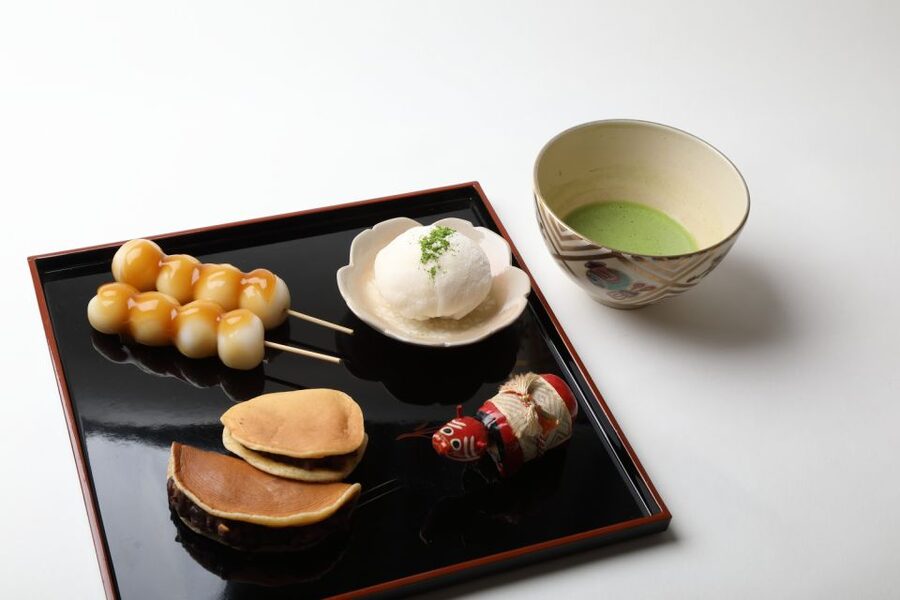
- dango (often associated with sweet dumplings and different textures)
- mochi (including hands-on mochi making)
- dorayaki (a classic sweet with a pancake-style base)
- matcha-flavored elements (including matcha tea as part of the meal)
Some people also mention enjoying mochi icecream during their class. The key point is that you should expect more than one style of sweet, so you get a real sense of how Japanese sweets can vary, even when they are all in the wagashi family.
Here is the practical reason that matters for you. If you only learn one dessert, you might leave thinking, OK, I can do that one thing. But with three types, you start to understand patterns, like how sweeteners behave, how different doughs set, and how presentation can be just as important as taste.
Also, because everything is included (seasonings and ingredients), you do not have to guess what to buy before you arrive. If you have ever tried to follow wagashi recipes online, you know the hardest part is the ingredient hunt. This class removes that stress.
- PERFECT KYOTO 1-Day Bus Tour★ 5.0 · 13,518 reviews
- Kyoto: Fushimi Inari, Kinkakuji, Bamboo Grove 1 Day Bus Tour★ 4.8 · 4,316 reviews
- Kyoto: Tea Ceremony in a Traditional Tea House in Kiyomizu★ 4.9 · 3,519 reviews
- Kyoto Geisha Walking Tour: Gion District & Hidden Gems★ 4.7 · 3,273 reviews
- Kyoto: Tea Ceremony Ju-An at Jotokuji Temple★ 4.9 · 3,207 reviews
Tea, Matcha, and a Garden-View Finish
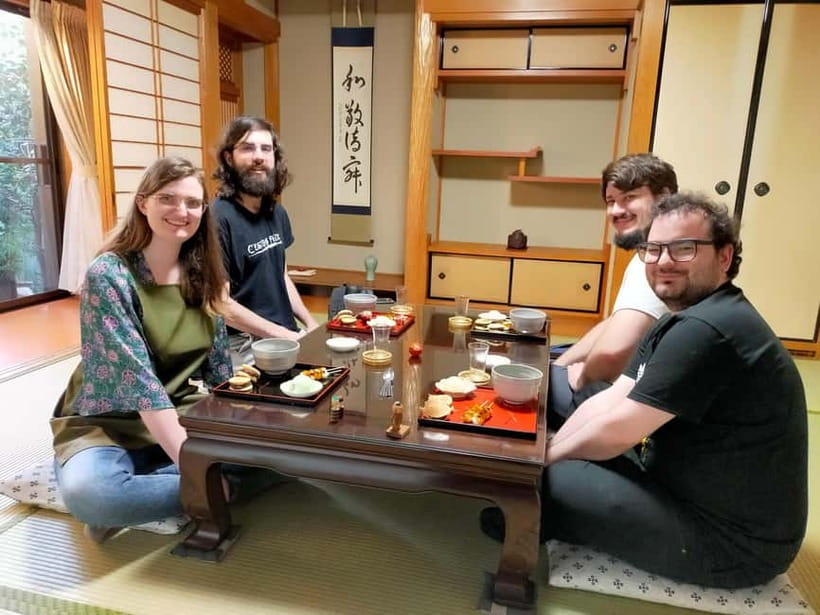
Cooking is only half the fun. The other half is what you do right after: you sit down together and enjoy the sweets you made with tea. The class includes tea, and matcha commonly shows up as part of the tasting experience.
Many guests point out that tea is served before and after the cooking portion. That bookends the experience nicely. You get a calm start, then you work with focus, then you slow down again and eat what you produced.
The setting is part of the payoff. Eating in the traditional room with a garden view makes the whole day feel less like a workshop and more like an actual shared moment. You can taste while looking up, instead of eating quickly over a sink because your hands are sticky.
One extra bonus that might affect your decision: some guests mention they could take some sweets home. Since this is not guaranteed in the core class description, treat it as a likely outcome when you make more than you can finish, but plan as if you will eat most of what you make on site.
English-Friendly Teaching That Still Feels Like a Cultural Welcome
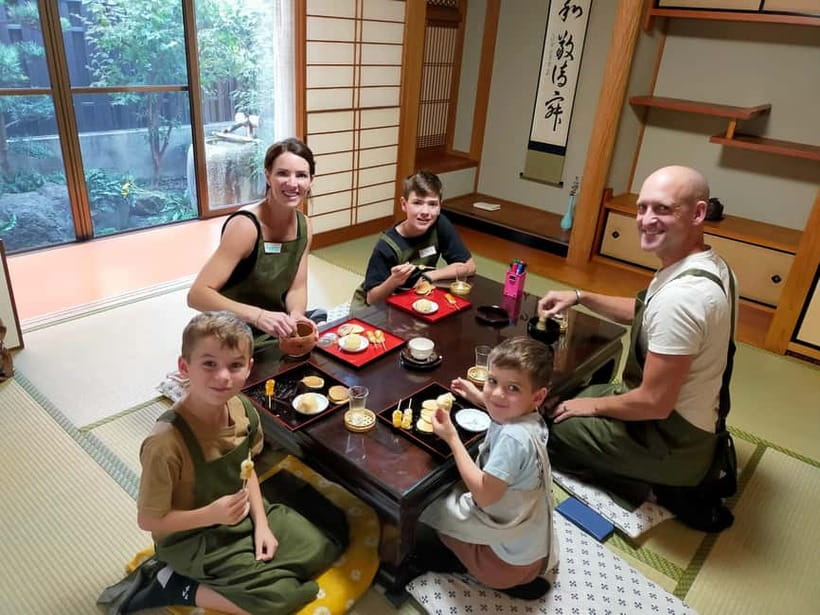
A lot of food classes claim they are easy for English speakers. This one goes further by stating the instruction is entirely in English, and the instructors are licensed guide interpreters. In real life, that usually means you get clear step-by-step explanations and you can ask questions without the language barrier turning everything into a guessing game.
It is also designed to work for English and non-English speakers. That matters if you are traveling with someone who reads less English, because the class is structured around doing and understanding, not only listening.
Small group size helps here too. With up to 6 participants, conversation is possible. People also mention chatting with the host, which adds cultural context beyond the sweets themselves. If you like travel that feels human, this is the kind of class where you leave knowing more than just a recipe.
If you have dietary needs, this is the part to pay attention to. The class welcomes vegetarians and is vegan friendly. You should let the studio know in advance about any food restrictions so they can adjust the menu when needed.
What You Get for $84: A Value Check for Real Cooking, Not Just Photos
At $84 per person for 150 minutes, you are not paying for a quick souvenir snack. You are paying for a guided food session with multiple ingredients, a tea-and-tasting segment, and a small-group instructor ratio.
Here is how I would value it if I were helping you choose:
- Ingredients and seasonings included means you avoid duplicate costs and ingredient hunting.
- Hands-on preparation of about three wagashi is more learning time than a short demo.
- English-speaking licensed guide interpreter adds real instruction value, especially for techniques and texture-based steps.
- Traditional room experience is part of the package, not an extra you have to find elsewhere.
Is it cheap? No. But $84 for a small-group, guided cooking-and-tea experience in Kyoto often works out better than doing a series of stand-alone food stops, because you get both skills and a sit-down meal moment.
One more value factor: because the menu is seasonal and the sweets are made from scratch, you are more likely to walk away feeling you learned something you can practice at home. People specifically mention that recipes are easily replicated afterward, as long as you can find the ingredients at a well-stocked Asian supermarket.
Logistics That Matter: Getting There and Planning Your Day
This is where planning saves your mood.
- No hotel pickup or drop-off: you will need to reach the meeting location on your own.
- Duration 150 minutes: treat it like a real appointment, not a casual stroll.
- Small group limit of 6: expect a calmer, more personal pace.
- Menu may differ by season: flexibility is baked in, so you should not expect the exact same sweets every time.
If you are pairing this with Fushimiinari area time, consider doing shrine photos either before or after, not during. Cooking needs focus, and you do not want to rush your way through sticky hands and timing.
If you are visiting with kids, check ages carefully. Children aged 12 and below must participate with a guardian, and the class is not suitable for children under 6.
Also note: wheelchair users are not suitable for this experience, likely due to the room setup typical of traditional Japanese spaces.
Who Should Book This Wagashi Class (and who should skip it)
This class is a strong match if:
- you like Japanese sweets and want to learn how they are made, not just taste them
- you want a hands-on cooking experience with a small group
- you value tea time and traditional setting, not just food prep
- you want English instruction that stays clear and practical
- you are traveling with a partner or small group who enjoys cooking together
You might skip it if:
- you need wheelchair accessibility
- you are traveling with very young children (under 6)
- you cannot handle getting to the location without pickup
- you only want a quick bite and do not care about learning techniques
For everyone else, it is one of those Kyoto experiences where the setting, the food, and the teaching all point in the same direction.
Should you book the Kyoto wagashi cooking class near Fushimiinari?
If you are deciding between a generic food tour and a skills-based class, I would lean toward this one. The value is in the hands-on wagashi making of about three sweets, the tea and matcha tasting in a traditional washitsu room, and the small group limit that keeps the experience personal.
Book it if you want a calmer, more authentic day in Kyoto that still feels special and different from the usual temples-and-tea routine. I would also book it if you have ever wondered how mochi or dorayaki actually come together, because you will do the work yourself rather than just watch.
If you dislike cooking, this is still doable because the instructor demonstrates first and then guides you through the steps. But if you truly hate any mess, any shaping, or any hands-on work, you may find it less satisfying.
FAQ
How long is the Kyoto wagashi cooking class?
The class runs for 150 minutes.
How many people are in the group?
The group is limited to 6 participants.
Is the class taught in English?
Yes. Instruction is in English, and instructors are licensed guide interpreters.
What wagashi will we make?
You will prepare about 3 different types of wagashi. The menu can differ depending on the season.
Is this class vegetarian or vegan friendly?
Vegetarians are welcome, and the class is vegan friendly. Let the studio know in advance if you have any food restrictions.
Do we have tea during the class?
Tea is included. The experience includes tea, and matcha is part of the traditional sit-down after cooking.
Is it suitable for children or wheelchair users?
Children aged 12 and below must participate with a guardian. It is not suitable for children under 6, and wheelchair users are not suitable for this experience.
Cancellation and changes
You can cancel up to 24 hours in advance for a full refund, and you can reserve now and pay later to keep your plans flexible.
Kitchens You Can Book Into
Newest Kyoto write-ups from the Loving Japan desk

Japanese Cooking Classes, side by side.
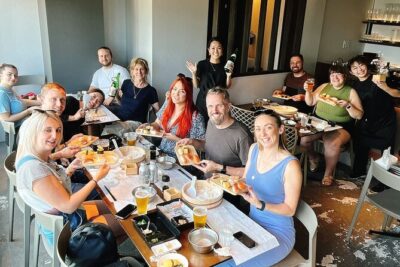 ★ 5.0Sushi Making Tokyo Roll and Authentic Japanese Sushi ClassFrom $593,971 reviews
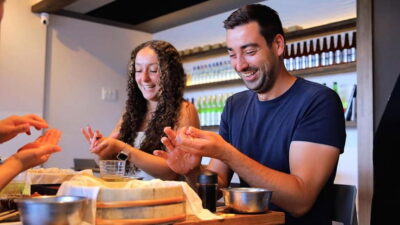 ★ 4.9Roll and Authentic Sushi Making Class in AsakusaFrom $581,957 reviews
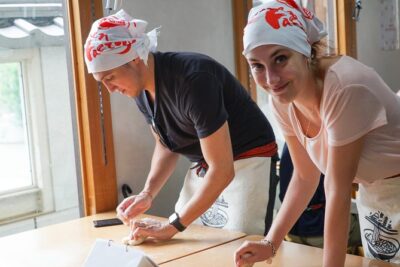 ★ 5.0Ramen Cooking Class at Ramen Factory in KyotoFrom $1311,937 reviews
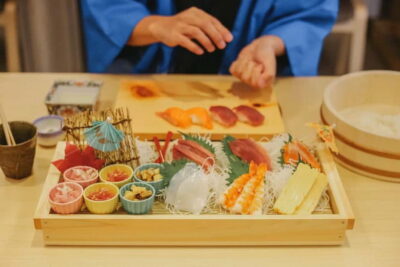 ★ 4.9Sushi Making Class in a Happi Coat near a Famous SpotFrom $421,377 reviews
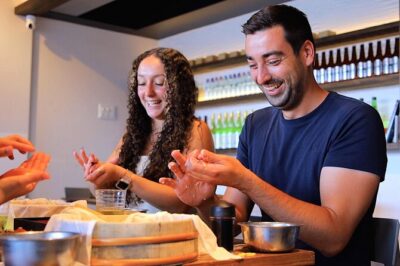 ★ 5.0Sushi Making Osaka Roll and Authentic Japanese Sushi ClassFrom $311,220 reviews
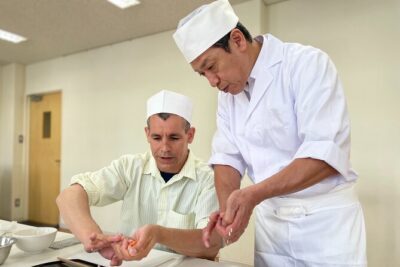 ★ 5.0Tokyo Sushi Making Class in Tsukiji with Professional ChefFrom $491,177 reviews
 ★ 5.0Ramen & Gyoza Cooking Class in Tokyo with Local Supermarket VisitFrom $122823 reviews
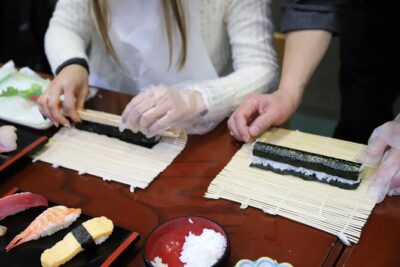 ★ 5.0Tsukiji Fish Market Guided Tour and Sushi Making with Pro ChefFrom $104775 reviews
Filed on these lists too