
REVIEW · JAPANESE CRAFT AND CALLIGRAPHY WORKSHOPS
Let’s make only one original onigawara in the world!!
Make a rooftop monster in two hours. This Honshu workshop has you shape a fearsome onigawara demon face by hand, then learn why these tiles have guarded Japanese roofs for centuries.
I especially love the hands-on step-by-step crafting, with the host guiding your clay work so it feels doable even if your hands are not exactly museum-craft precise. One thing to plan for: you handle soil (so wear old clothes), and you do not get the final silver tile right away, since it needs time to dry, fire, and change color.
In This Review
- Key Takeaways Before You Go
- Why Onigawara Feels Different Than a Typical Kyoto Souvenir Workshop
- What Onigawara Actually Is (And Why the Demon Face Matters)
- The 2-Hour Workshop Flow at Kawarakoubouyouya
- Step 1: Start With Soil, Not Stardust
- Step 2: Build the Demon Face Piece by Piece
- Step 3: Let It Be Finished Correctly by the Workshop
- What You Will Walk Away With
- What Happens After You Leave: Drying, Firing, and the Silver Color Wait
- Price and Value: Is $90 Worth It for One Handmade Onigawara?
- Logistics Made Easy, Except for One Common GPS Snag
- What to Wear
- Languages and Host Communication
- Who Should Book This Onigawara Workshop (And Who Might Skip)
- The Best Part: The Craft Teaches You, Not Just Your Hands
- Quick Booking Decision: Should You Take the Class?
- FAQ
- How long does the onigawara workshop last?
- What is the price per person?
- What languages are offered during the class?
- Is the workshop suitable for children and beginners?
- Does the price include shipping?
- When will I receive the finished onigawara?
- Where do I meet the host?
- What is the cancellation policy?
Key Takeaways Before You Go
- Ogre and gargoyle faces: you’re making the same style of roof tile design seen on traditional buildings
- Small group of up to 5: more attention, less standing around
- Kiln-fired offsite: your tile is finished after the class, then shipped to your home
- One-of-a-kind goal: you create an original piece, not a replica
- About 1-2 months to the silver stage: expect the classic look later, not same-day
Make something to take home. Other workshops
- Kyoto : Chopsticks Making Workshop in Gion with Engraving Option
★ 5.0 · 958 reviews - Authentic knife making experience at a blacksmith in Kyoto
★ 4.8 · 350 reviews - Kyoto: Calligraphy class at Buddhist temple in city center
★ 5.0 · 167 reviews - Roketsu dyeing experience: M course Roketsu Dyeing Experience
★ 5.0 · 163 reviews
Why Onigawara Feels Different Than a Typical Kyoto Souvenir Workshop
There are lots of Japan craft classes where you take home a pretty object, add it to your shelf, and call it a day. This one is different because you are making a protective roof tile, shaped like a fearless face that’s meant to ward off trouble and handle weather. That context changes how the clay feels in your hands. It stops being just a craft project and starts being a small piece of roofline tradition.
I also like that the class does not pretend you need to be an artist. The workshop is built around a procedure that helps regular people succeed, including kids and people who get clumsy with their hands. You still have to work carefully, but you are not expected to be a sculptor. The mood is friendly, the pacing makes sense, and the finished tile feels meaningful because your fingerprints are part of it.
The main drawback is timing and logistics. The price covers the workshop and the tile process, but the shipping fee is charged separately on the day. And the tile you make will not immediately turn the classic silver. The transformation and delivery come later, roughly 1-2 months after the firing.
What Onigawara Actually Is (And Why the Demon Face Matters)
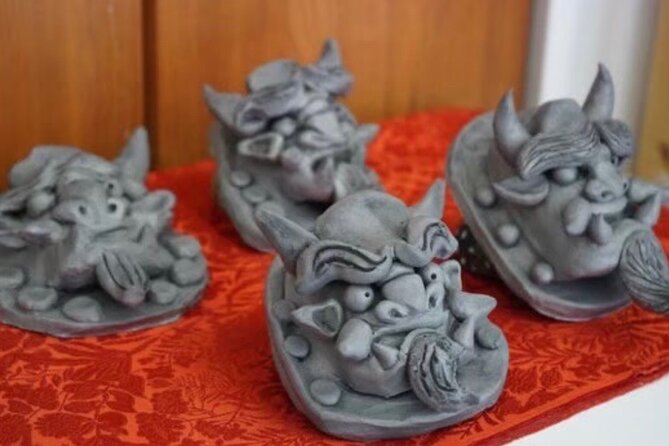
Onigawara are traditional Japanese roof tiles. In the old roof system, you’d find carved tiles like these at the ends of the main ridge line. The idea was practical and symbolic at the same time: the tile helps protect the roof from rainwater, and the face design is meant to fend off evil.
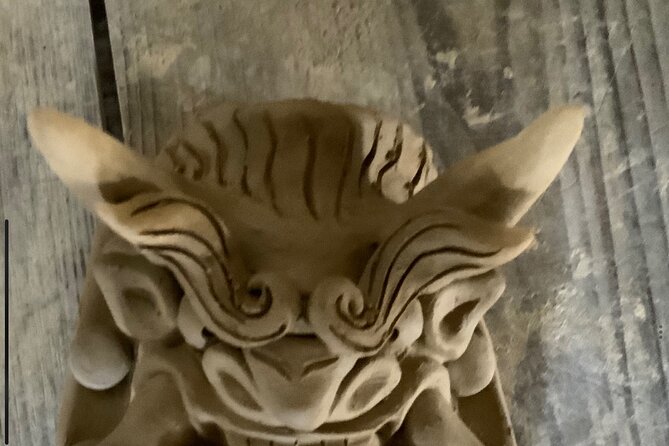
The faces are often fearless ogres and gargoyles. That means the style you make is not subtle. It’s bold on purpose. Roof builders wanted something you could see from a distance, something that looked like a guardian rather than decoration.
This is also why the workshop starts with the feeling of working with soil. The class talks about a “soul” being gradually imbued into a lump of clay. Whether you take that literally or as a poetic way to describe craft intention, it pushes you to slow down. You’re not rushing. You’re shaping something with a role.
You might not realize it until you’re making one, but the texture and edges matter for how the face reads. Too soft and it looks like a blob. Too sharp and it looks tense. The goal is that balanced “monster but friendly guardian” look that traditional onigawara carry.
The 2-Hour Workshop Flow at Kawarakoubouyouya
This experience is two hours long, and it’s organized like a real-making class, not a quick demo with a souvenir finish. You’ll be in the workshop at Kawarakoubouyouya where the host talks you through each stage, and you build the tile step by step.
- PERFECT KYOTO 1-Day Bus Tour★ 5.0 · 13,518 reviews
- Kyoto: Fushimi Inari, Kinkakuji, Bamboo Grove 1 Day Bus Tour★ 4.8 · 4,316 reviews
- Kyoto: Tea Ceremony in a Traditional Tea House in Kiyomizu★ 4.9 · 3,519 reviews
- Kyoto Geisha Walking Tour: Gion District & Hidden Gems★ 4.7 · 3,273 reviews
- Kyoto: Tea Ceremony Ju-An at Jotokuji Temple★ 4.9 · 3,207 reviews
Step 1: Start With Soil, Not Stardust
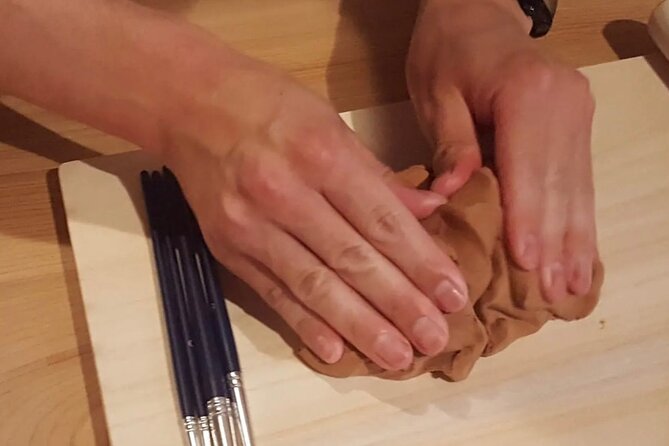
You begin with soil-based material. That matters because soil behaves differently than standard air-dry clay. It can crack if you rush. It can crumble if it gets too dry. It can smear if your hands are too wet. The process teaches you how to manage those small problems without panicking.
You’ll also get basic guidance on manipulating the clay, including how to form the pieces that make up the face. The host’s approach is patient and practical. You’re not just left with instructions and a lump of material.
Step 2: Build the Demon Face Piece by Piece
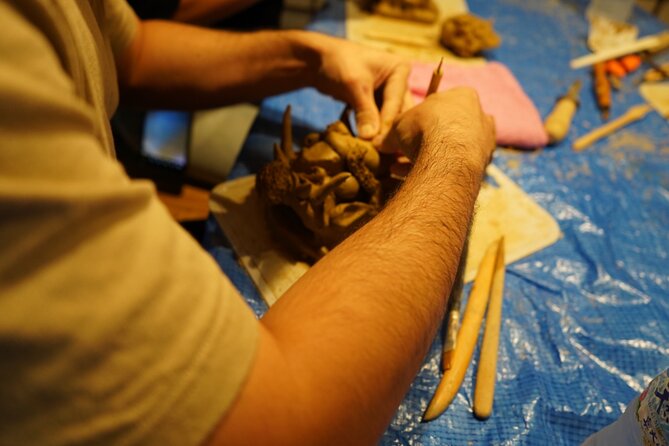
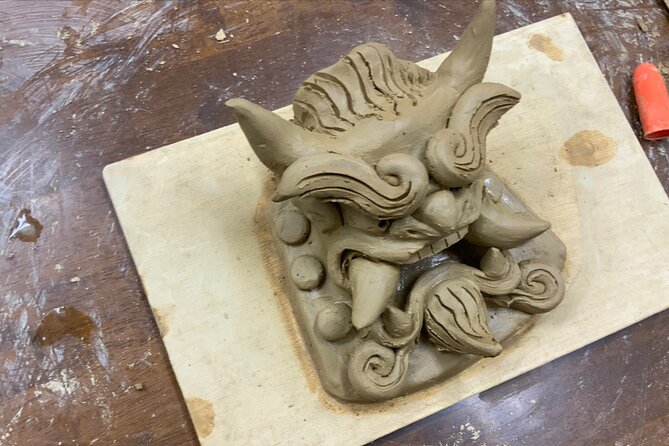
Then you shape your small, simple onigawara tile with the ogre face design style. You’re working with multiple components and assembling them carefully, so the face has the right proportions.
I like this part because it turns “art appreciation” into “art making.” You stop thinking about how scary the monster looks, and you start thinking about the angles and placement that create that expression. It’s hands-on history.
If you have kids with you, this is often the sweet spot. Children usually get it fast because the monster face concept is instantly fun, and the crafting breaks into manageable bits. The class is also described as suitable for ages and comfort levels, including people who worry they might have clumsy hands.
Step 3: Let It Be Finished Correctly by the Workshop
After you make your onigawara, the tile is fired in a kiln at the factory. That means you are not responsible for heat-treating it. You’re creating the raw form, and the workshop does the technical finishing.
This is a big deal for value. Kiln firing is the part most craft classes either skip or simplify in a way that makes you wonder if your handmade object is truly “real.” Here, the firing is part of what happens after you leave, so your final piece is more authentic.
What You Will Walk Away With
You will leave with the satisfaction of having made the tile. You won’t have the final silver look in your hands that same day. Instead, you’ll have the knowledge that your piece is now part of the workshop’s process, from making to firing to the final color stage later.
What Happens After You Leave: Drying, Firing, and the Silver Color Wait
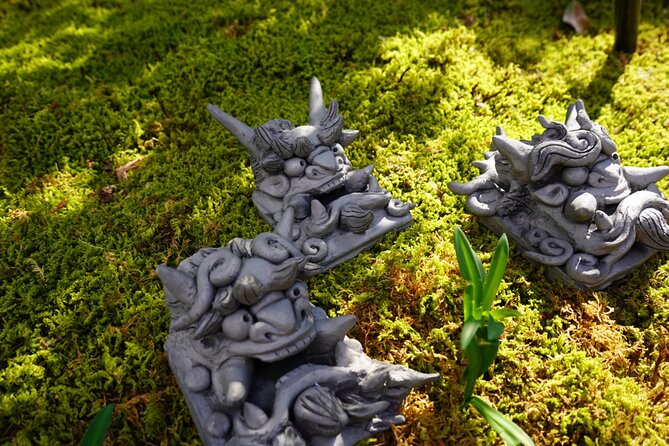
One of the most important things to know is that the timeline is part of the experience. You make the tile now, then it goes through the steps that bring out its traditional look later.
The process includes firing in the kiln, and then the onigawara changes to the traditional silver color after about 1-2 months, at which time it arrives. That means you need to be patient, but also, it turns your souvenir into something you can look forward to after your trip.
This delay is not a trick. It’s tied to how the material and finishing process works. If you want instant gratification, this might feel like a long wait. If you like the idea of receiving a meaningful piece from your trip later, it feels special.
Also, remember that only the shipping fee is charged separately on the day. The experience itself is priced at $90 per person, and that’s your main cost for the workshop and the tile process.
Price and Value: Is $90 Worth It for One Handmade Onigawara?
Let’s be practical. $90 is not the cheapest craft class in Japan. But it also is not a mass-produced factory-made “paint a souvenir” activity. You are paying for a guided process to create an onigawara face, plus kiln firing afterward.
Here’s what makes it better value than it might look at first glance:
- Small group size capped at 5 participants, which usually means you get more personal attention
- Hands-on making, not just watching
- Firing handled by the factory, so you’re not gambling on how the tile turns out
- Shipping to your home after firing is part of the deal, with the shipping fee handled separately
The separate shipping fee is the one potential surprise cost. But it’s also a common approach for workshops that ship later, when rates can change based on destination. If you keep a little extra budget aside, you’re unlikely to be caught off guard.
If you’re comparing this to buying a decorative onigawara in a shop, the difference is that you are not just purchasing an object. You are creating it, and you get the added meaning of making something meant to protect a roofline.
Logistics Made Easy, Except for One Common GPS Snag
The meeting point is Kawarakoubouyouya, your shop. Search it on Google Maps before you go, and plan to arrive a few minutes early.
One practical note that can save you time: the Google Maps GPS pin can be off. You may need to walk about 40 meters east from where the map points. This is the kind of problem that makes you late if you trust the pin blindly, so I’d rather you know it upfront.
What to Wear
This experience uses soil, so wear clothes that may get dirty. That’s not a suggestion for style. Clay and soil can leave marks, and it’s better to accept that than to spend your class worried about your outfit.
You will likely want comfortable shoes too. Two hours in a workshop is not a museum bench situation.
Languages and Host Communication
The host or greeter works in English and Japanese, so you should be able to follow instructions without struggling. The class is described as welcoming for different comfort levels.
Who Should Book This Onigawara Workshop (And Who Might Skip)
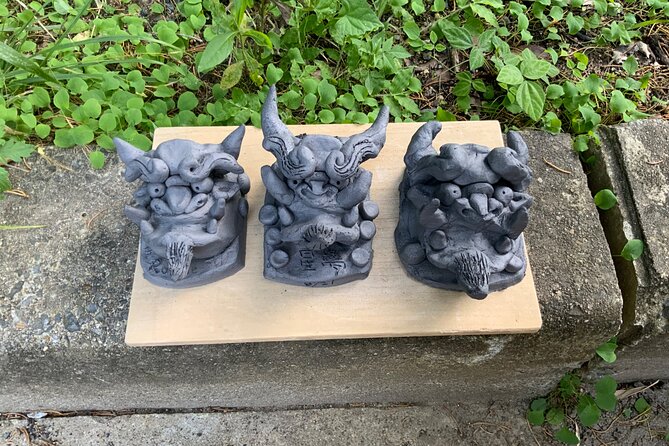
This is a strong match if you want a creative activity with cultural weight. You’ll probably enjoy it if you:
- like crafts that take your hands seriously
- want something tied to Japanese architecture, not just general tourism shopping
- enjoy the idea of waiting for a finished result after your trip
It’s also a good pick for families, since the workshop has experience teaching kids and supporting people who feel unsure about their ability.
You might consider skipping if:
- you need your souvenir immediately and cannot wait 1-2 months
- you dislike working with soil or do not have clothes you’re okay getting messy
- you hate thinking about shipping add-ons, even if they’re only the shipping fee
The Best Part: The Craft Teaches You, Not Just Your Hands
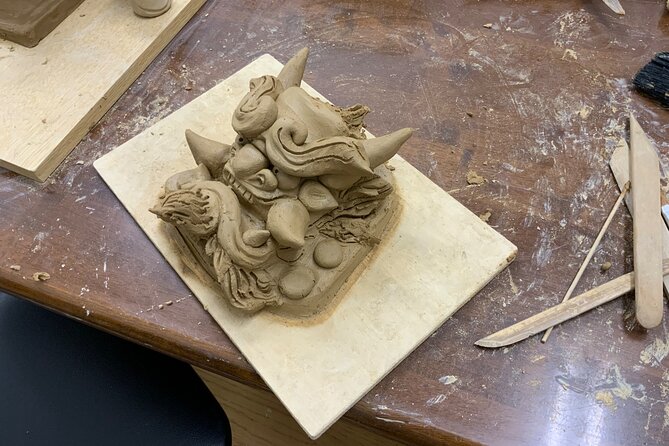
What I think people love most here is the combination of patient guidance and a structure that makes progress feel steady. The host walks you through the many steps, helping you manipulate clay and assemble the components so the face comes out correctly.
The pacing matters too. When a class moves too fast, beginners end up stressed and rushed. Here, the work has enough time for you to adjust. Even if you make small mistakes, the method helps you recover.
And the result feels personal. Not because you’re using special tools, but because onigawara are expressive. A little shift in shape changes the vibe of the monster face. Your tile carries your choices, your proportions, and your patience.
If you’re the type who enjoys turning a travel day into a skill, this workshop gives you that. You leave understanding what onigawara are for, and you have made one of the forms yourself.
Quick Booking Decision: Should You Take the Class?
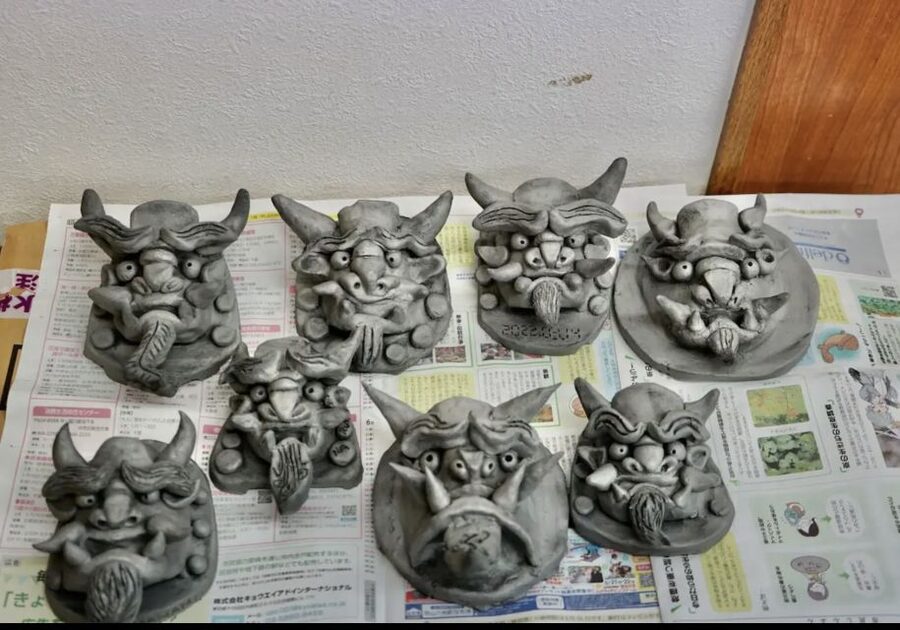
Book it if you want an authentic-feeling Japan craft where the process is the point. $90 can be a good deal when you factor in kiln firing and home delivery, plus the small group attention. If you’re okay with the soil mess and you’re willing to wait for the silver color, you’ll probably find this one of the most memorable souvenirs you could bring back from Honshu.
Skip it if you want something instant, if you dislike messy hands, or if you are planning a trip where you cannot handle receiving the final tile after you return home. In that case, a store-bought tile might fit you better.
FAQ
How long does the onigawara workshop last?
The experience lasts 2 hours.
What is the price per person?
The price is $90 per person.
What languages are offered during the class?
The host or greeter speaks English and Japanese.
Is the workshop suitable for children and beginners?
The experience is designed so that children and people with clumsy hands can make an onigawara using the developed procedure.
Does the price include shipping?
Only the shipping fee is charged separately on the day. The finished tile is sent to your home after firing, but shipping is not included in the base price.
When will I receive the finished onigawara?
After firing, it will be sent to your home. The onigawara changes to the traditional silver color after about 1-2 months and then arrives.
Where do I meet the host?
You meet at KAWARAKOUBOUYOUYA, your shop. Search for it on Google Maps.
What is the cancellation policy?
You can cancel up to 24 hours in advance for a full refund.
Made by Hand, and Yours to Keep
Newest Kyoto write-ups from the Loving Japan desk
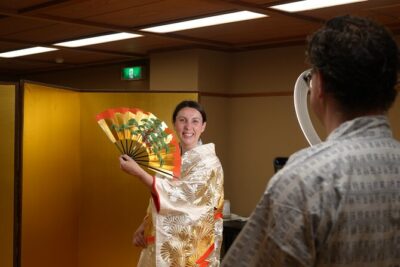
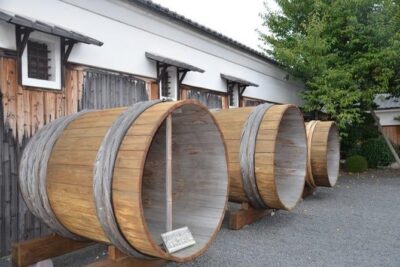

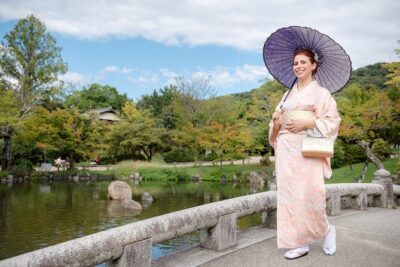
Japanese Craft and Calligraphy Workshops, side by side.
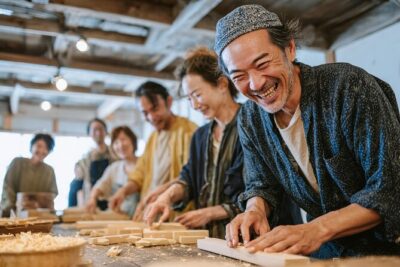 ★ 5.0Tokyo Shinjuku Chopsticks Making ClassFrom $201,763 reviews
 ★ 4.8Chopstick Making Workshop in GinzaFrom $251,366 reviews
 ★ 5.0Chopsticks Making Workshop in Gion with Engraving OptionFrom $15958 reviews
 ★ 4.8Tokyo Sumo Experience: Chanko & Mochi with a Former ProFrom $103567 reviews
 ★ 5.0Kintsugi Experience: Art of Golden Joinery in TokyoFrom $59467 reviews
 ★ 5.0Tokyo Chopstick Making Workshop with ArtisanFrom $26466 reviews
 ★ 4.9Matcha Making Experience with Mochi Sweets in AsakusaFrom $22388 reviews
 ★ 4.8Authentic knife making experience at a blacksmith in KyotoFrom $154350 reviews
Filed on these lists too