
REVIEW · JAPANESE CRAFT AND CALLIGRAPHY WORKSHOPS
Natural Indigo Dyeing with Local Masters (Private Atelier)
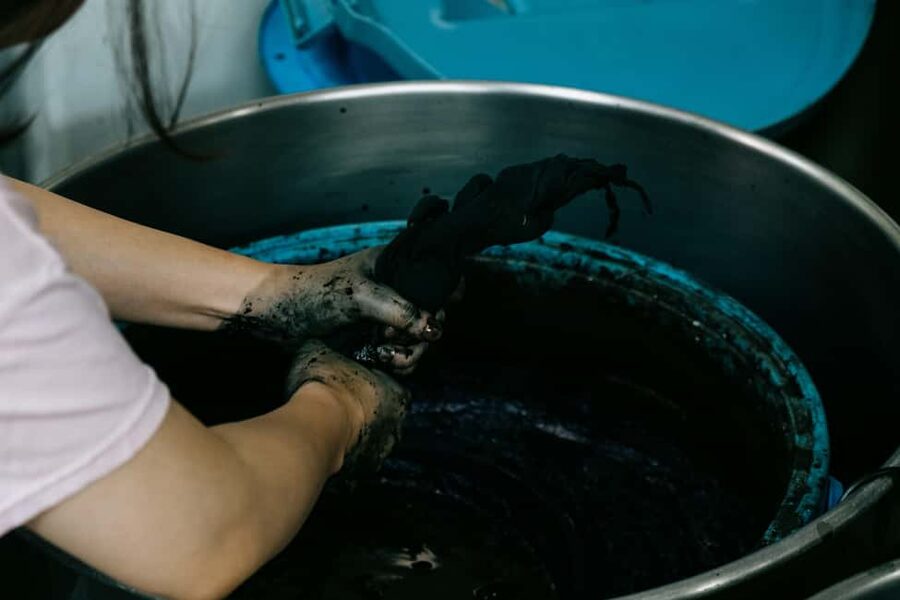
Real indigo vats feel like time travel. I love the 300-year-old indigo dye studio and the chance to work with natural fermented indigo vats (sukumo). The one catch is the basic fee covers just one included cotton item, so you may want to budget extra if you upgrade.
This is a hands-on workshop in western Kyoto, not a craft show for tourists. You get a studio tour, then you dye your own cloth while you watch the color shift from green to deep blue through oxidation, and you close with indigo leaf tea plus cultural context.
It runs about 1.5 to 2 hours with a max group size of 6, led in English and Japanese. If you hate getting messy or you need wheelchair access, this might be less ideal, but for everyone else, it is a very real way to learn a Kyoto craft.
In This Review
- Key highlights worth your time
- Entering a working indigo dye studio in western Kyoto
- Sukumo, oxidation, and why natural indigo is different
- The 2-hour flow: studio tour, dyeing, tea, and take-home time
- Welcome and studio tour (about 15 minutes)
- Indigo dyeing workshop (about 60 minutes)
- Tea and closing reflection (about 15 to 20 minutes)
- What you can dye: included cotton furoshiki and same-day upgrades
- Clothes, comfort, and staying clean in a natural dye studio
- The people make it work: bilingual host, artisans, and translation that lands
- Value for $95: what you get, and what might cost extra
- Who should book, and who should think twice
- Should you book this Kyoto indigo workshop?
- FAQ
- How long is the natural indigo dyeing workshop?
- Where is the workshop located?
- What language support is available?
- What is included in the workshop fee?
- Can I dye something besides the included cotton item?
- Is shipping available for the item I dye?
- What should I wear?
- Is there a restroom on site?
- Is wheelchair access available?
- How far is it from Kyoto Station?
- What is the cancellation policy?
Key highlights worth your time
- Sukumo vats you can dip into yourself, not just watch from the sidelines
- Max 6 people, which means more help when you fold, bind, and dip
- Protective gear provided, including apron, gloves, and shoe covers
- Indigo leaf tea and Kyoto stories, so the craft has context
- Included cotton furoshiki, with scarf and silk upgrade options available on the day
Make something to take home. Other workshops
- Kyoto : Chopsticks Making Workshop in Gion with Engraving Option
★ 5.0 · 958 reviews - Authentic knife making experience at a blacksmith in Kyoto
★ 4.8 · 350 reviews - Kyoto: Calligraphy class at Buddhist temple in city center
★ 5.0 · 167 reviews - Roketsu dyeing experience: M course Roketsu Dyeing Experience
★ 5.0 · 163 reviews
Entering a working indigo dye studio in western Kyoto
This workshop starts in the part of Kyoto most visitors rush past. You are in the quiet western district, inside a real indigo dyeing space with a long working life, not a themed set built for photos.
The studio is described as historic and unusually specific, because it is a genuine workshop with real tools, vats, and daily craft rhythms. You are not just learning steps, you are learning the environment that makes those steps work.
Even better, this experience is offered exclusively to international guests for the first time. That matters because it signals this is still the craft family’s world first, and a visitor program second.
Sukumo, oxidation, and why natural indigo is different
Indigo dyeing has a reputation for being simple. It is not. The big reason is how natural indigo works compared to chemical dyes.
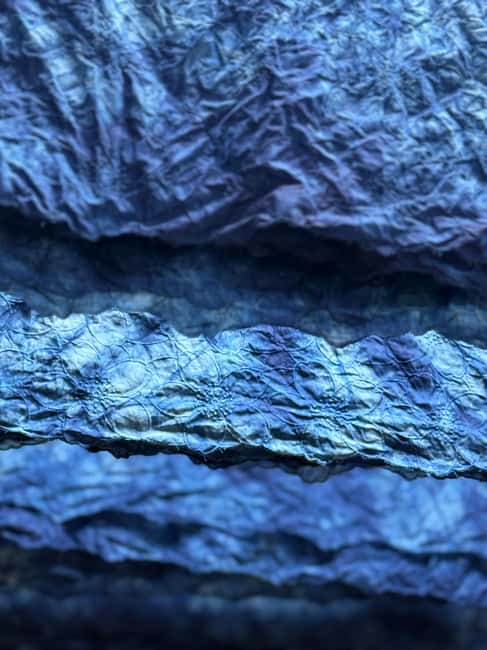
Here, the process centers on fermented indigo used in traditional vats, often called sukumo. Instead of instant color, you work with the dye state in the vat and then let the cloth oxidize. That is the moment when your material shifts into the deeper blue you came for.
You will see the transformation in real time during the dyeing workshop portion. Your cloth goes through that familiar go-green-first look, then changes as oxidation happens. It feels almost like the studio has a magic trick, but it is really careful chemistry plus patient timing.
If you like crafts that reward attention, this is a great fit. Small choices during folding and binding affect the pattern. And since the dye is natural and fermented, results are strongly tied to the method and consistency of the vats.
The 2-hour flow: studio tour, dyeing, tea, and take-home time
The pacing is built so you understand what you are doing before you touch the vats.
- PERFECT KYOTO 1-Day Bus Tour★ 5.0 · 13,518 reviews
- Kyoto: Fushimi Inari, Kinkakuji, Bamboo Grove 1 Day Bus Tour★ 4.8 · 4,316 reviews
- Kyoto: Tea Ceremony in a Traditional Tea House in Kiyomizu★ 4.9 · 3,519 reviews
- Kyoto Geisha Walking Tour: Gion District & Hidden Gems★ 4.7 · 3,273 reviews
- Kyoto: Tea Ceremony Ju-An at Jotokuji Temple★ 4.9 · 3,207 reviews
Welcome and studio tour (about 15 minutes)
First comes a welcome and quick tour of the working space. You hear the history of indigo in Japan and why the dye shows up in daily life and tradition. Then you get a real look at the tools and vats used for natural dyeing.
This part is valuable because it sets expectations. You will know what the vats are, why they matter, and what the studio environment is like, including that it is a traditional space with wooden floorboards.
Indigo dyeing workshop (about 60 minutes)
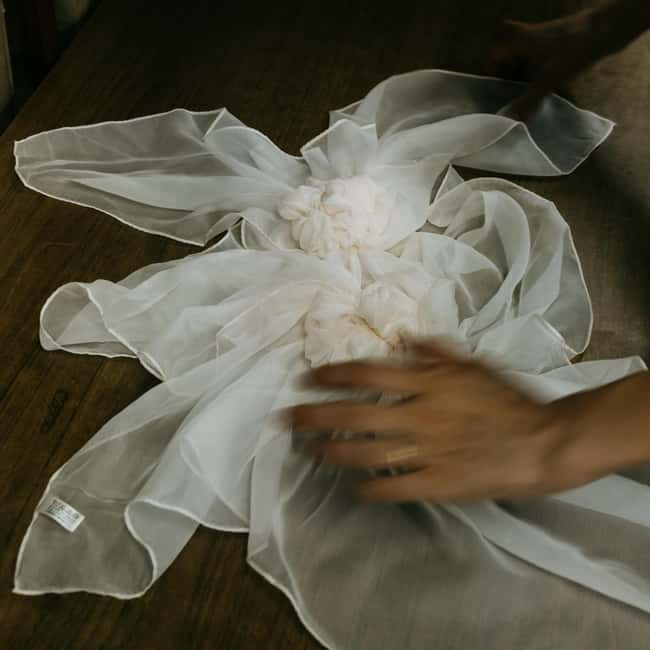
Next is the hands-on session. You choose your dyeable item on site, and you follow step-by-step guidance for folding, binding, and dipping into the natural fermented indigo vats.
You are not expected to be a shibori master when you arrive. The help you get is practical, and the group stays small enough that staff can correct your technique as you go. You also get protective gear like an apron, gloves, and shoe covers so your clothing stays clean.
One practical note: the workshop is designed around dyeing a single included item. You will have time for questions, but you will not turn this into a full wardrobe overhaul.
Tea and closing reflection (about 15 to 20 minutes)
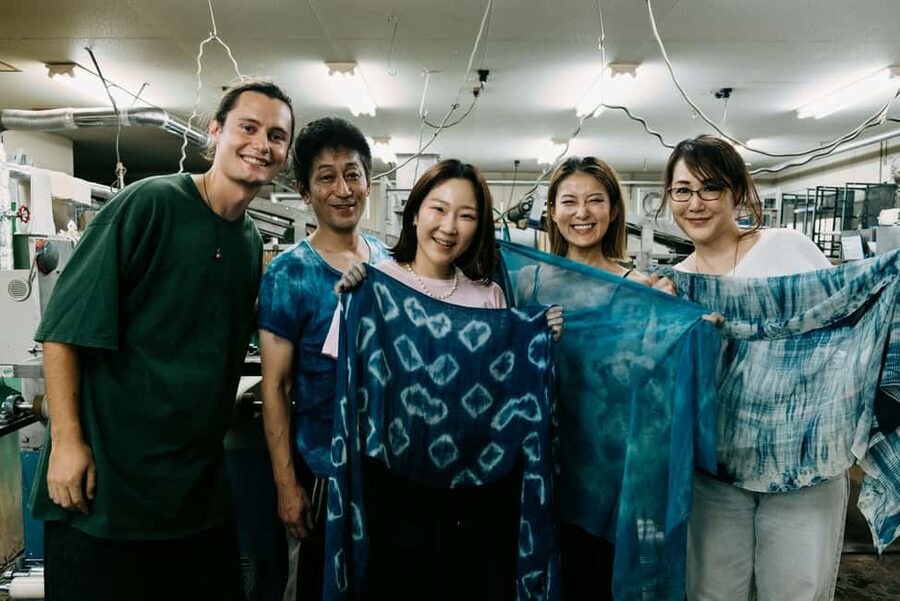
After dyeing, you get a calmer wrap-up. You drink indigo leaf tea and discuss what you made, how the process works, and what to look for in the final result. There is also time for reflection, photos, and questions before you take your item home.
This final window is more than a nice pause. It is your chance to understand the craft choices you just made, so the pattern in your cloth feels earned, not random.
What you can dye: included cotton furoshiki and same-day upgrades
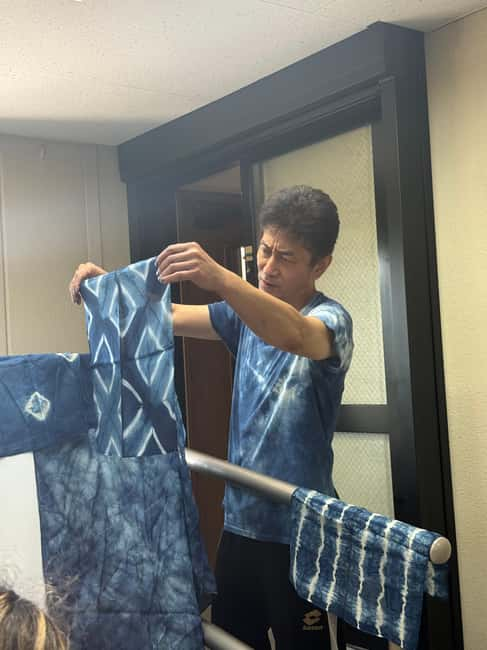
The included item is a single cotton cloth, about 45 to 50 cm, in the form of a furoshiki. Depending on what they have available on the day, the workshop includes dyeing options such as a traditional tenugui or a handkerchief style piece with cherry blossom embroidery. In practice, you will be guided to choose what fits the workshop plan on site.
You also get time to look at and purchase additional dyed items. Some people end up buying extra pieces after making their own, especially if you like the patterns and craftsmanship on display.
If you want something bigger or more wearable, upgrades are available on the day. The options listed are:
- Cotton scarf (lightweight and wearable year-round)
- Silk scarf (luxurious texture and deep tones)
- Wool stole (made from Mongolia’s finest quality wool)
You will pay the upgrade fees on site if you choose them. If you are the type who loves one-and-done souvenirs, the included furoshiki may be enough. If you want to wear your indigo later, upgrade planning is worth it.
Clothes, comfort, and staying clean in a natural dye studio
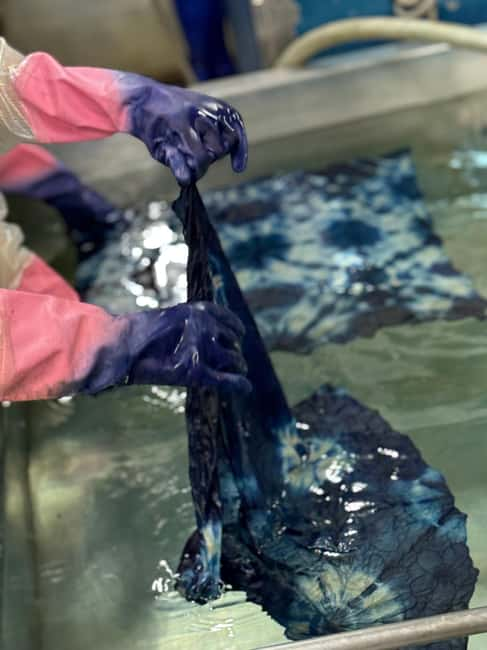
Natural indigo is the real thing, so your clothes need to be ready for real-world mess. You are advised to wear comfortable, casual clothing that can get dirty.
You should also think about comfort in a traditional studio. The floor is described as wooden floorboards, so comfortable shoes matter. Bring clothes you do not mind during a workshop day, and you will feel better about the whole experience.
The good news is the staff gives protective gear. Based on participant accounts, they outfit you with an apron, gloves, and shoe covers to prevent accidental staining. That makes it much easier to focus on your folds and bindings instead of constantly worrying about your sleeves.
Also, there is no change room mentioned. If you want to feel extra comfortable, plan to arrive in workshop clothes.
The people make it work: bilingual host, artisans, and translation that lands
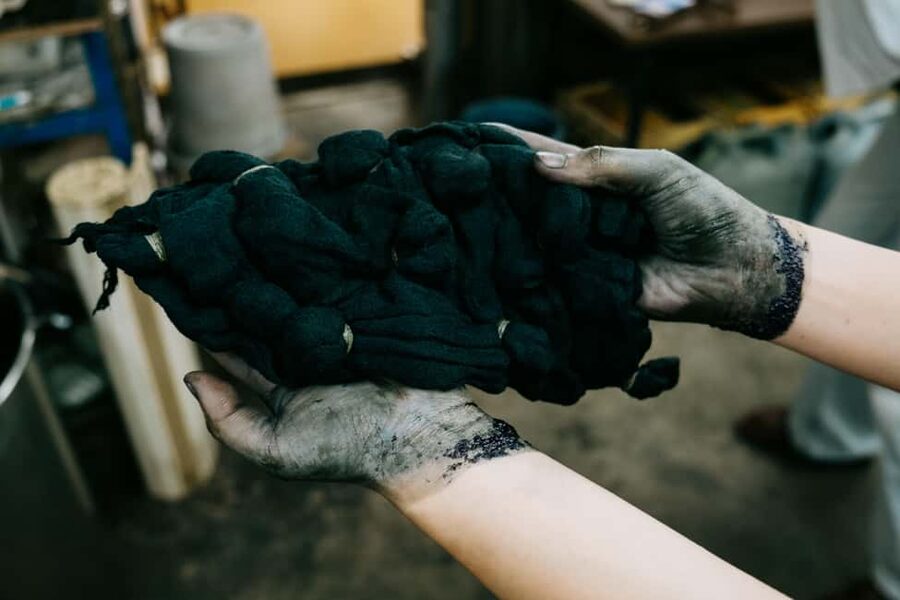
This workshop is guided by local artisans with bilingual support. English and Japanese are covered, and staff help with the dye process as well as cultural storytelling.
The experience provider is Chie. That name pops up as the person helping connect the craft steps to the cultural meaning, and it fits the way this workshop is described: not just a color lesson, but a craft collaboration with a multi-generational dyeing family.
Translation can matter a lot in workshops. The best parts of your session depend on understanding small instructions like how tight to bind or when to dip. One previous participant specifically highlighted translation support from an apprentice named Sakura, noting that she explained clearly.
You do not need to be fluent in Japanese. But you should be willing to ask questions. With a max group size of 6, it is realistic to get help when something feels confusing.
Value for $95: what you get, and what might cost extra
At $95 per person, this workshop can feel steep until you itemize what is included.
Your fee covers:
- Use of natural fermented indigo vats (sukumo)
- All tools and materials
- One dyeable cotton item (about 45 to 50 cm)
- Indigo leaf tea
- Bilingual cultural support (English and Japanese)
- An apron and protective items during dyeing
- A small takeaway souvenir
- Time for photos with your finished creation
That is a lot of real craft value for two hours. A big part is access. You are not learning indigo through a generic demo. You are in a working studio and you are handling the dye process with support.
Where you should plan extra spending is simple:
- Upgrades like cotton scarf, silk scarf, or a wool stole, if you want more than the included piece
- Shopping time, if you decide you love the museum-like display and want to take home more than one item
- Optional shipping, since shipping is not included and is available only upon request for an extra cost
Transportation is also not included. You will likely combine train and walking from Kyoto Station, estimated at about 30 minutes.
So my practical advice is this: if you want just one meaningful take-home piece, you can treat the $95 as the main cost. If you want wearables, set aside extra for an upgrade.
Who should book, and who should think twice
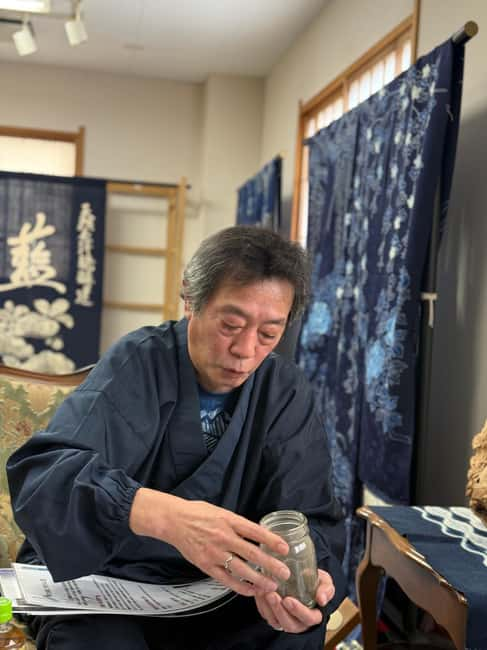
This is family-friendly in the sense that it is structured for people who can follow directions. The minimum age is 8+, and the studio is set up as a short, focused workshop rather than a long lecture.
You should strongly consider booking if:
- You love textiles, color, or hands-on craft work
- You want something more authentic than a souvenir counter
- You like learning the why behind a technique, not just the how
- You enjoy small-group experiences where staff can correct your technique
You might think twice if:
- You need wheelchair access, since it is not available
- You are worried about getting your clothes dirty, even with protective gear
- You want to dye a large garment, because the workshop includes one included cotton piece, not big-scale fabric or clothing
Also remember that it is one item you dye for your time there. That is part of the charm, and also part of the limitation.
Should you book this Kyoto indigo workshop?
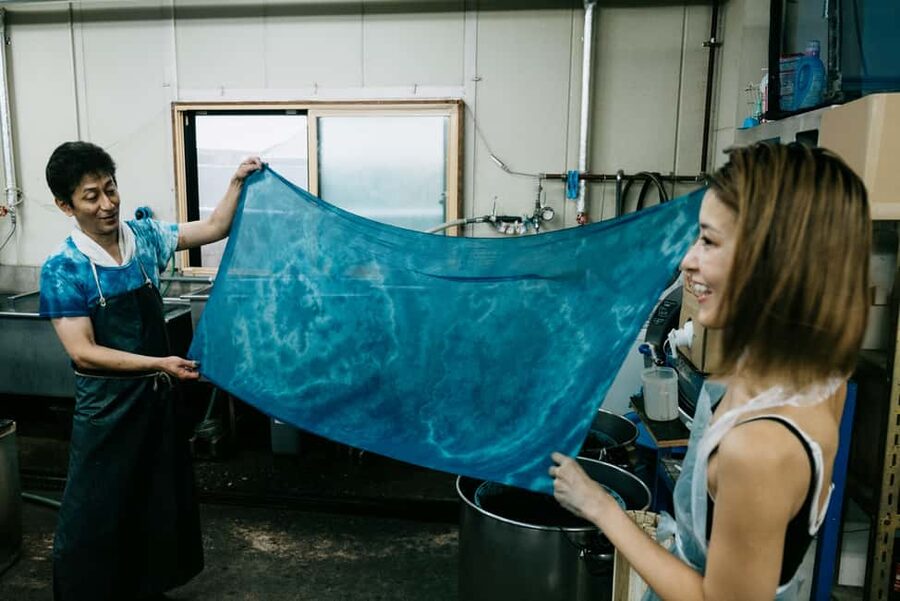
Book it if you want a real indigo process, inside a historic working studio, with hands-on steps and bilingual help. The best reason is the combination of sukumo vats, a small group size, and guidance from artisans who keep this craft alive.
If you are on the fence because you only want a small souvenir, consider whether you will still enjoy the process as the main event. In a dye workshop, the value is not only the final blue cloth. It is learning how the pattern gets made, and understanding why indigo changes after oxidation.
I would also book it if you like spending money on experiences you cannot fake later. You will not recreate the studio environment at home, and you will not get the same craft guidance from a shopping demo.
If you want, tell me your travel month and whether you prefer scarves or cloth. I can suggest what to dye based on what you are likely to enjoy wearing or keeping.
FAQ
How long is the natural indigo dyeing workshop?
The experience runs about 1.5 to 2 hours.
Where is the workshop located?
It takes place in a historic indigo dye studio in western Kyoto. The exact address is provided after booking.
What language support is available?
The workshop provides support in English and Japanese.
What is included in the workshop fee?
You get all tools and materials, one included cotton item for dyeing (about 45 to 50 cm), natural fermented indigo vats use, indigo leaf tea, bilingual cultural host support, apron use, time for photos, and a small souvenir gift.
Can I dye something besides the included cotton item?
Yes. You can choose your dyeable item on site, and upgrades are available for a cotton scarf, silk scarf, or wool stole for additional fees paid on the day.
Is shipping available for the item I dye?
Shipping service is not included. Shipping may be available only upon request at an extra cost.
What should I wear?
Wear comfortable casual clothes and shoes, and bring clothes that you do not mind getting dirty. You will be using protective gear like an apron during the process.
Is there a restroom on site?
Yes, a restroom is available on site.
Is wheelchair access available?
Wheelchair access is not available.
How far is it from Kyoto Station?
It is approximately 30 minutes by train and walk from Kyoto Station.
What is the cancellation policy?
You can cancel up to 24 hours in advance for a full refund.
Made by Hand, and Yours to Keep
Newest Kyoto write-ups from the Loving Japan desk

Japanese Craft and Calligraphy Workshops, side by side.
 ★ 5.0Tokyo Shinjuku Chopsticks Making ClassFrom $201,763 reviews
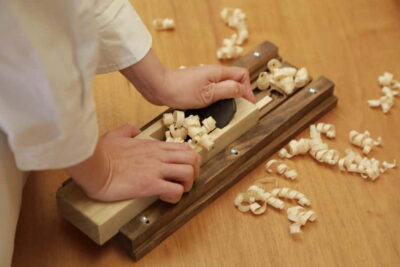 ★ 4.8Chopstick Making Workshop in GinzaFrom $251,366 reviews
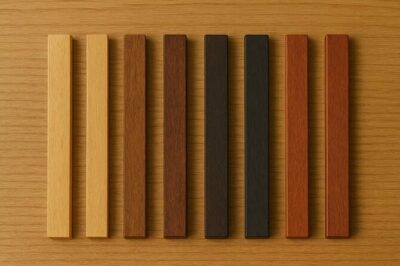 ★ 5.0Chopsticks Making Workshop in Gion with Engraving OptionFrom $15958 reviews
 ★ 4.8Tokyo Sumo Experience: Chanko & Mochi with a Former ProFrom $103567 reviews
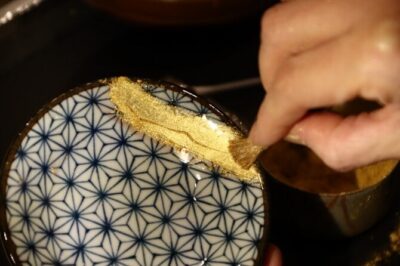 ★ 5.0Kintsugi Experience: Art of Golden Joinery in TokyoFrom $59467 reviews
 ★ 5.0Tokyo Chopstick Making Workshop with ArtisanFrom $26466 reviews
 ★ 4.9Matcha Making Experience with Mochi Sweets in AsakusaFrom $22388 reviews
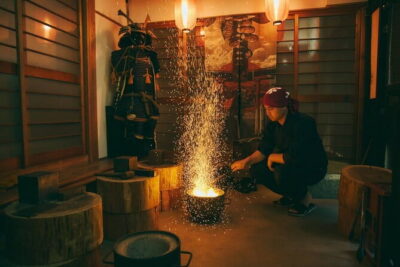 ★ 4.8Authentic knife making experience at a blacksmith in KyotoFrom $154350 reviews
Filed on these lists too