
REVIEW · JAPANESE COOKING CLASSES
Near Fushimiinari: Kyoto Home Cooking Class & Supermarket tour
Kyoto smells like dashi and warm rice. What makes this class special is the small-group home-cooking feel, plus the supermarket ingredient tour that helps you recreate the food later. You cook about five dishes, eat your lunch in a traditional room, then shop for the exact items you used.
I especially like that the class is built around practical technique, starting with dashi, and that it is taught in English by a licensed guide interpreter. The one thing to consider is timing and extras: the session runs about 4 hours, drinks are not included, and you still need to get yourself to the meeting spot near Fushimiinari.
In This Review
- Key things to know before you go
- Why this Kyoto home cooking class near Fushimiinari is such a smart fit
- In the host’s home: tatami room, garden views, and a calm start
- The core lesson: dashi, about five dishes, and real hands-on technique
- Lunch you actually made, served in a traditional room
- The supermarket walk that turns recipes into reality
- English instruction plus a small group means you can ask real questions
- Price and value: what $118.92 really buys you
- Timing tips for a smooth 9:30 start
- Who should book this class
- Should you book this Kyoto home cooking class near Fushimiinari?
- FAQ
- How long does the cooking class last?
- Where does the class meet, and what time does it start?
- Is lunch included, and are drinks included?
- Does the class include a supermarket visit?
- What language is the class taught in?
- How big is the group?
Key things to know before you go
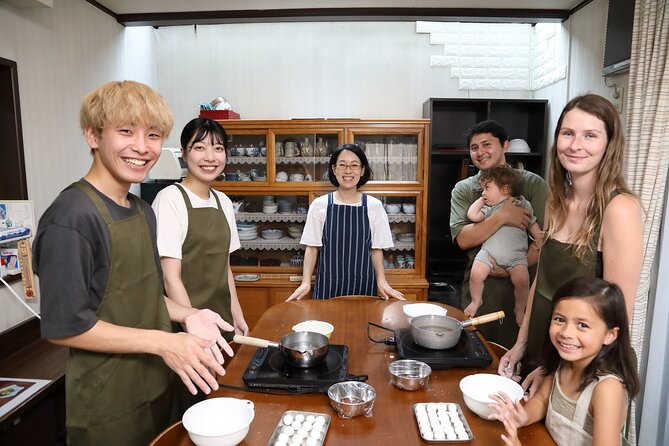
- Max 6 people means more time for questions, not a lecture hall vibe
- Dashi first gives you a foundation for Japanese flavor right away
- Hands-on cooking of about 5 dishes so you are not just watching
- A ~30-minute supermarket stop helps you shop by ingredient, not guesswork
- English-led instruction works well for English speakers and non-English speakers
- Mochi is often part of the end of the meal, depending on the day’s menu
Cook it yourself instead. Other kitchens in Kyoto
- Sushi Making in Kyoto! Same-day bookings welcome!
★ 5.0 · 713 reviews - Kyoto: Ramen Cooking Class at a Ramen Factory with Souvenir
★ 4.9 · 532 reviews - Kyoto: Ramen, Gyoza, and Onigiri Cooking Class
★ 5.0 · 445 reviews - The Original Small-Group Sushi Making Class in Kyoto
★ 5.0 · 436 reviews
Why this Kyoto home cooking class near Fushimiinari is such a smart fit
Kyoto is great for big sights, but this is the kind of experience that adds a different flavor to your day. The class is held near Fushimiinari, a super convenient area if you want to pair shrine time with something hands-on. Instead of doing another food walk where you sample a few bites, you leave with a real meal in your hands, plus the knowledge to make it again.
The format also does something practical for solo travelers. With a maximum of six people, you get an easier social rhythm. You are chopping, tasting, asking questions, and eating together. That turns strangers into conversation partners faster than most group tours.
The other reason I like it is the follow-through. You do not just cook lunch and call it a day. You go to a local supermarket together and look at what you used in class. That extra step is what turns recipes from nice paper ideas into shopping lists you can actually use at home.
In the host’s home: tatami room, garden views, and a calm start
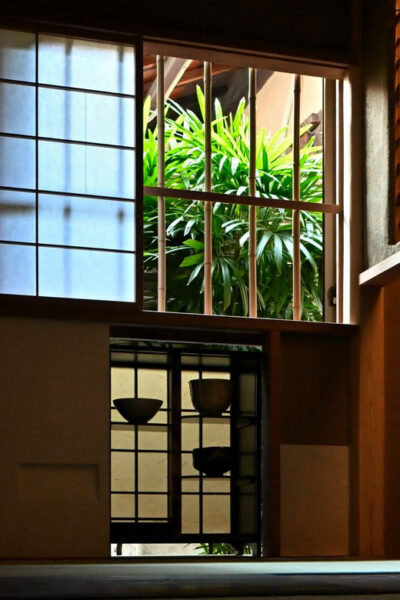
You meet at a specific address in the Fushimi Ward area (38-4 Fukakusa Watamorichō) and the class starts at 9:30 am. From there, you settle into a traditional Japanese house setting. In past experiences, people have mentioned an older home with tatami flooring and a tranquil garden view from the traditional room. There is also often a tokonoma display area, which adds to the sense that this is a real home setting, not a staged classroom.
Before cooking begins, the group typically gets the feeling of being hosted, not processed. Reviews mention welcoming touches like water and small Japanese snacks on arrival. That matters more than it sounds. When you feel comfortable right away, you ask better questions, learn faster, and take fewer silly guesses when it is your turn at the cooking stations.
The session also stays small enough that you can follow along even if you are still getting used to the rhythm of Japanese cooking tools. In other words, you can keep up without needing to be a kitchen expert first.
The core lesson: dashi, about five dishes, and real hands-on technique
The class structure is built like this: you start with dashi, then you cook. Dashi is the Japanese soup stock used across a lot of everyday dishes, from noodles to soups to simmered foods. Learning it early gives you a real foundation, not just a bag of tricks.
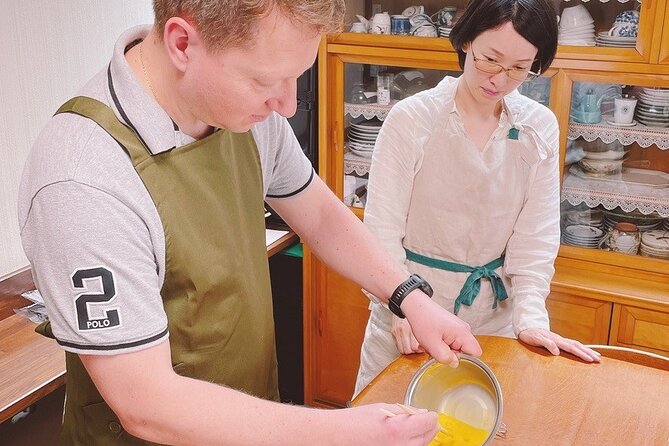
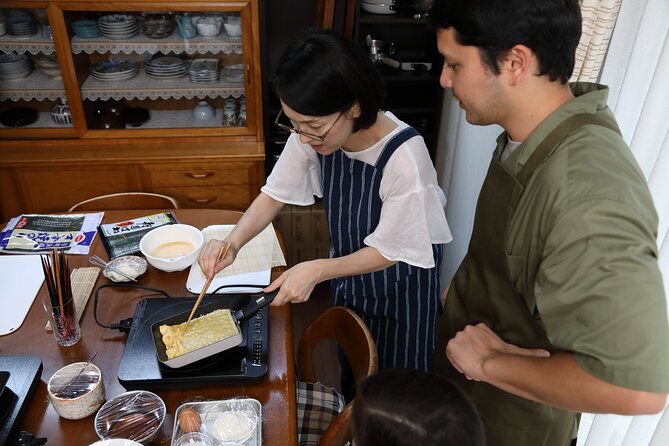
After the initial explanation, you prepare about five dishes yourself or with your partner. The instructor demonstrates some dishes first, so you see technique in action before you take over. Then you move into hands-on work, which is where the learning sticks. Past participants have specifically mentioned making miso soup, matcha, sushi, a spinach salad, and tempura. Your exact mix can vary by day, but those are strong examples of the kinds of dishes you should expect to see.
What I appreciate about this setup is that it teaches you both process and purpose. You are not only learning what to do, you are learning why it works, especially around flavor building. Dashi is the classic example, but you also get guidance on timing and texture, like how to get the right feel in soups and batter-based cooking.
And yes, this is English-led. In reviews, people often highlight how clear the instruction is, and that the instructor answers questions easily.
- PERFECT KYOTO 1-Day Bus Tour★ 5.0 · 13,518 reviews
- Kyoto: Fushimi Inari, Kinkakuji, Bamboo Grove 1 Day Bus Tour★ 4.8 · 4,316 reviews
- Kyoto: Tea Ceremony in a Traditional Tea House in Kiyomizu★ 4.9 · 3,519 reviews
- Kyoto Geisha Walking Tour: Gion District & Hidden Gems★ 4.7 · 3,273 reviews
- Kyoto: Tea Ceremony Ju-An at Jotokuji Temple★ 4.9 · 3,207 reviews
Lunch you actually made, served in a traditional room
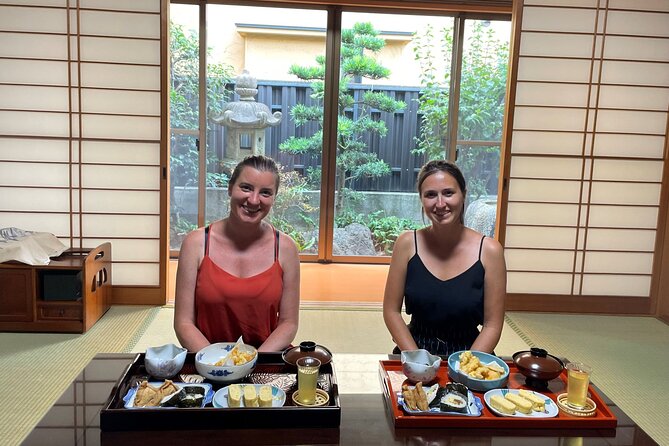
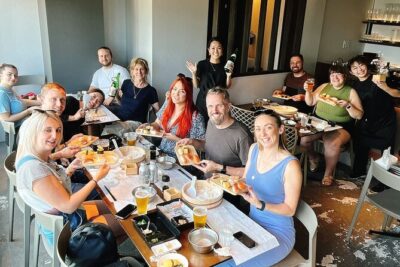
Once cooking wraps up, you sit down and eat what you made together. The meal is eaten in a traditional Japanese room, and the garden view is part of the atmosphere. If you like your food experiences to be more than quick sampling, this part hits the mark.
You also get a real sense of portion and balance. Japanese home cooking is not always about huge plates. It is about harmony across dishes, and it is easier to understand that when you cook the components yourself.
If you have dietary needs, take advantage of asking in advance. At least one review notes that the class can cater to vegetarians. Since the instruction is hands-on and ingredients matter, it is worth being upfront so your instructor can plan substitutions.
A common extra at the end is mochi. Multiple past experiences mention making mochi yourself. In at least one case, the mochi experience included mochi ice, which is a fun bonus if you like desserts that are not just store-bought.
The supermarket walk that turns recipes into reality
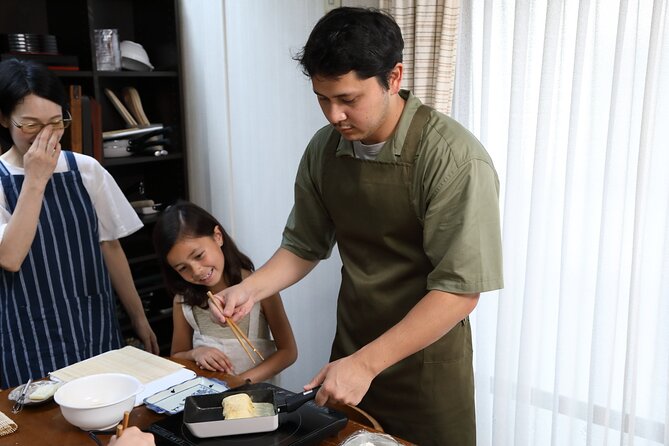
Here is the part that makes the class feel genuinely useful: after lunch, you head out for a local supermarket visit together. The time is around 30 minutes, short enough to keep momentum, but long enough to matter.
This is not a random photo stop. The idea is that you find the ingredients you used in class and learn what they are in the real-world environment of Japanese grocery aisles. That helps with questions like:
- What is the exact product name you need?
- How do common items differ from what you might buy at home?
- Which packaging labels matter for Japanese cooking?
Reviews specifically point out that the supermarket portion is a real bonus because it is not simple to identify ingredients in Japan without guidance. One participant even praised the patient, everything-explained approach in the store, including help choosing the best options.
If you want to cook for family and friends later, this is where you can buy ingredients to take home. Even if you do not buy much, you still leave with a map of what to look for.
English instruction plus a small group means you can ask real questions
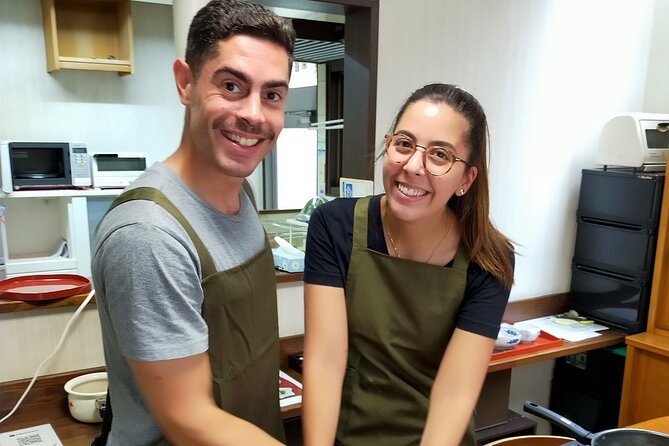
This class caps out at six travelers, and that is a big deal. In bigger cooking tours, the instructor often has to move fast and you end up watching. Here, you get more time for questions because you are not competing with a crowd.
It is also designed for a mixed language environment. The teaching is conducted entirely in English, and the instructors are licensed guide interpreters. That combination has helped past participants, including non-native English speakers, feel fully included.
For solo travelers, the group size and shared cooking stations make it easier to meet like-minded people. You naturally talk while you measure, stir, and plate. It feels like joining a small table for a shared project, not squeezing into a crowded bus.
Price and value: what $118.92 really buys you
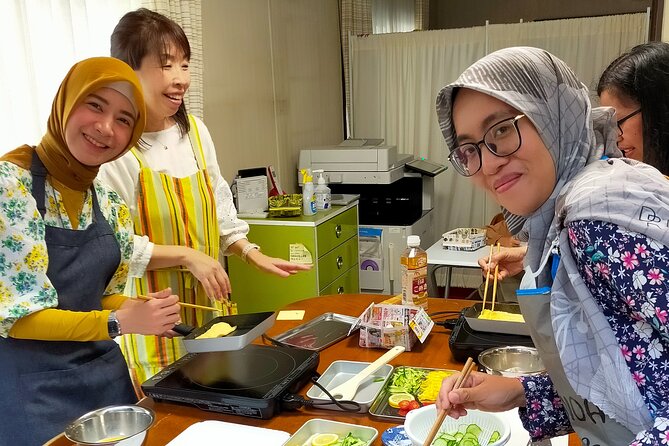
At $118.92 per person for about 4 hours, this is not the cheapest thing you could do in Kyoto. But it is also not a “pay for experience only” situation. Your price includes a lot of tangible value:
- Lunch
- All seasonings and ingredients for cooking
- An English-speaking instructor
- A local supermarket tour for about 30 minutes
- All fees and taxes
What is not included is also worth knowing. Drinks are not included, and gratuity is not listed as part of the price. So if you like having tea or soda during breaks, plan for that.
How I think about value: you are paying for instruction, ingredients, and guided shopping. If you tried to recreate this on your own, you would likely spend money on ingredients anyway, and you would probably lose time figuring out which products to buy. This experience packages that work into a guided session near Fushimiinari.
Timing tips for a smooth 9:30 start
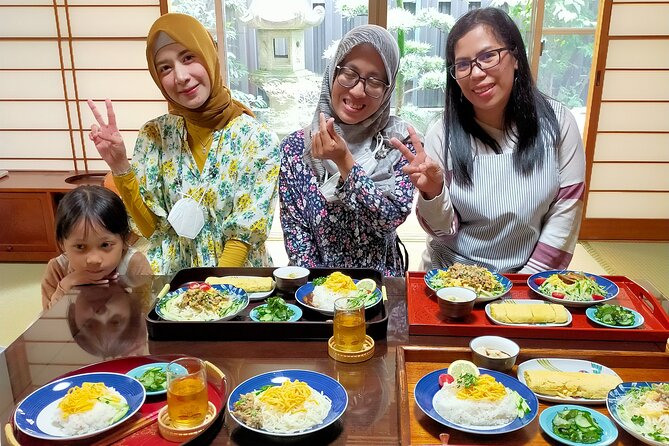
The start time is 9:30 am, and the experience ends back at the meeting point. That makes it easier to schedule into a half-day plan, especially if you are also visiting Fushimiinari shrine.
A few practical tips based on how the day works:
- Arrive a bit early so you can settle in before cooking ramps up.
- Wear comfortable clothes for hands-on cooking. You will be actively working, not just tasting.
- Bring a little extra money if you want to buy supermarket ingredients after class. Drinks and optional shopping are where extra costs can pop up.
Also note the weather requirement. If weather is poor, the class may be canceled and you will be offered a different date or a full refund.
Who should book this class
You should book if you want a Kyoto food experience with real technique, not just tasting. It is a great match for:
- Solo travelers who want an easier way to meet people
- People who love Japanese cooking and want to make it at home
- Anyone who likes practical learning, especially around core ingredients like dashi
- Foodies who enjoy the “cook, eat, shop, repeat” arc
It might be less ideal if you want a pure sightseeing day with long shrine walks and minimal kitchen time. This experience is centered on cooking and the supermarket portion, so plan around that.
Should you book this Kyoto home cooking class near Fushimiinari?
If you like learning recipes in a way you can repeat later, yes, I would book it. The big strength is the combination: hands-on cooking in a real home setting, then ingredient shopping so the recipes become usable at your next meal back home.
The small group size, English-led instruction, and the fact that you eat what you cooked make it feel like quality time, not a rushed demo. Just go in knowing it is about cooking, not just watching, and plan for drinks and any optional supermarket purchases.
FAQ
How long does the cooking class last?
The experience lasts about 4 hours.
Where does the class meet, and what time does it start?
It meets at 38-4 Fukakusa Watamorichō, Fushimi Ward, Kyoto 612-0022, Japan, and it starts at 9:30 am.
Is lunch included, and are drinks included?
Lunch is included. Drinks are not included.
Does the class include a supermarket visit?
Yes. You take a local supermarket tour for about 30 minutes after the cooking and meal.
What language is the class taught in?
The class is conducted entirely in English, and instructors are licensed guide interpreters.
How big is the group?
The class has a maximum of 6 travelers.
Kitchens You Can Book Into
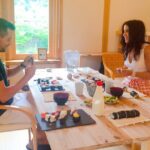
Newest Kyoto write-ups from the Loving Japan desk
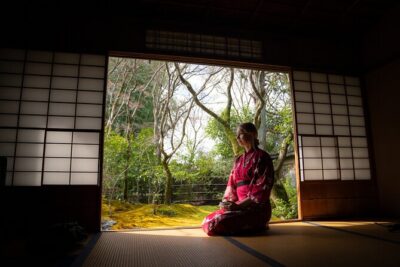
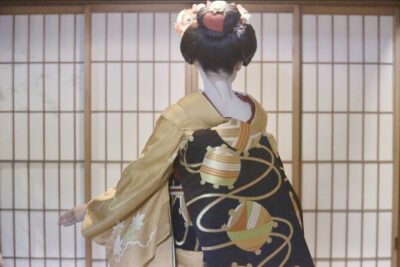


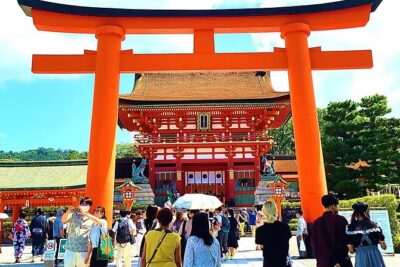
Japanese Cooking Classes, side by side.
 ★ 5.0Sushi Making Tokyo Roll and Authentic Japanese Sushi ClassFrom $593,971 reviews
 ★ 4.9Roll and Authentic Sushi Making Class in AsakusaFrom $581,957 reviews
 ★ 5.0Ramen Cooking Class at Ramen Factory in KyotoFrom $1311,937 reviews
 ★ 4.9Sushi Making Class in a Happi Coat near a Famous SpotFrom $421,377 reviews
 ★ 5.0Sushi Making Osaka Roll and Authentic Japanese Sushi ClassFrom $311,220 reviews
 ★ 5.0Tokyo Sushi Making Class in Tsukiji with Professional ChefFrom $491,177 reviews
 ★ 5.0Ramen & Gyoza Cooking Class in Tokyo with Local Supermarket VisitFrom $122823 reviews
 ★ 5.0Tsukiji Fish Market Guided Tour and Sushi Making with Pro ChefFrom $104775 reviews
Filed on these lists too