
REVIEW · KYOTO TEA CEREMONIES AND MATCHA
Osaka: Private Tea Ceremony and Calligraphy Experience
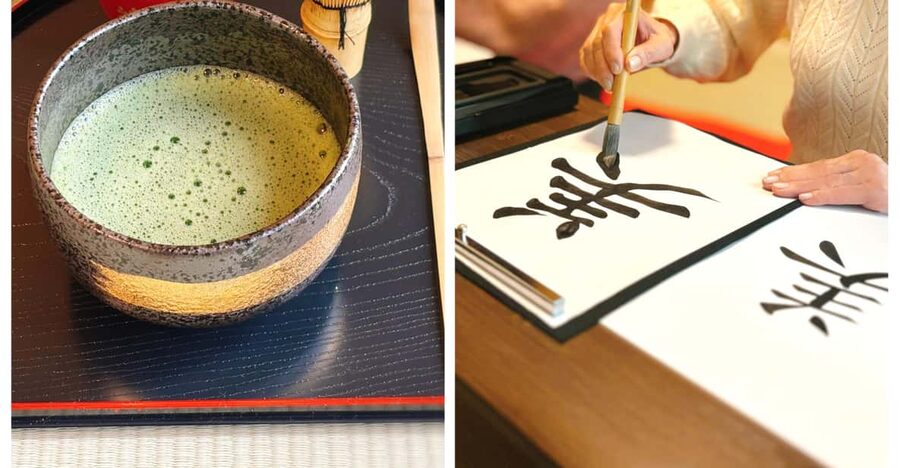
A calm class, right in Namba. This private Osaka tea ceremony and calligraphy experience pairs hands-on matcha making with a guided brush lesson, with a host like Wanoma helping you go step by step, at your pace, and you can take photos anytime.
I especially love that you get to make the moment yours, like choosing how you present your matcha with the bowl you like, not just watching it happen. The other big win for me is the take-home calligraphy, where you’ll learn strokes and then write your name as Japanese characters. One consideration: it isn’t set up for wheelchair users.
In This Review
- Key highlights to know before you go
- Why This Osaka Tea Ceremony and Calligraphy Feels So Personal
- Entering the Namba Studio Near Shinsaibashi
- Calligraphy Lesson: Choose Your Kanji Story and Write It
- Tea Ceremony Hour: Make Matcha, Pick a Bowl, Enjoy Two Sweet Rounds
- From Brush to Souvenir: What You Take Home
- How the Private Format Helps Kids and First-Timers
- Price and Value for a 135-Minute Private Workshop
- Before You Go: Socks, Seating, and Etiquette Basics
- Should You Book This Osaka Private Session?
- FAQ
- Where is the meeting point in Osaka?
- How long is the experience?
- Is it a private group class?
- What languages are offered?
- What do I need to bring?
- Is it suitable for wheelchair users?
Key highlights to know before you go
- Truly private group time, with close attention from Wanoma and room to ask questions
- Calligraphy with personal meaning, including turning your name into kanji-related writing choices tied to personality
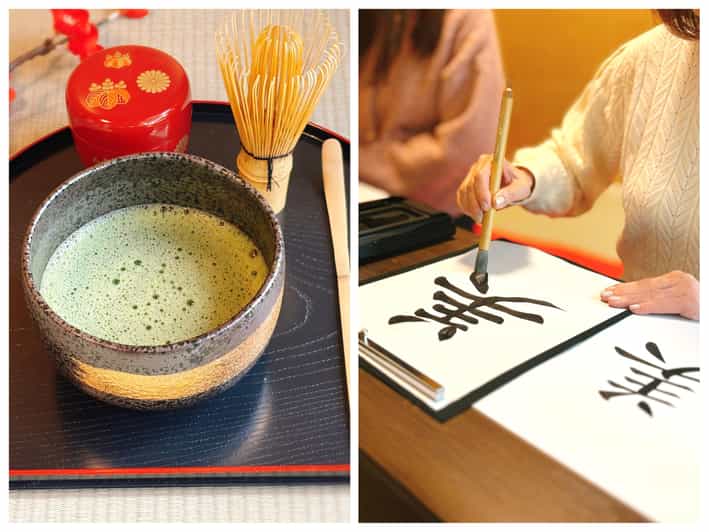
- Hands-on matcha making, not just tasting, plus choosing a tea bowl that fits how you feel
- Japanese sweets twice, during the tea portion, so you taste more than one seasonal style
- Take-home artwork, on colored paper with a stamp so your souvenir feels finished, not rushed
- Kid-friendly option, including water calligraphy for younger children to avoid mess
Sit down somewhere quieter. Other tea rooms we booked
- Osaka: Tea Ceremony Experience
★ 4.9 · 1,426 reviews - Tea Ceremony Experience in Osaka Doutonbori
★ 5.0 · 754 reviews - Matcha Making Class in Osaka with Authentic Japanese Sweets Set
★ 5.0 · 509 reviews - Osaka: Matcha Making Experience with Japanese Sweets
★ 5.0 · 146 reviews
Why This Osaka Tea Ceremony and Calligraphy Feels So Personal
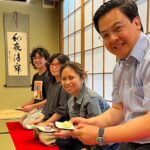
If you want something cultural that doesn’t feel like a performance you watch from the outside, this format hits the right note. It’s a private session, so Wanoma can slow down when you need it, repeat steps, and keep the atmosphere calm. That matters in a city like Osaka, where you can easily fill your days with movement and noise.
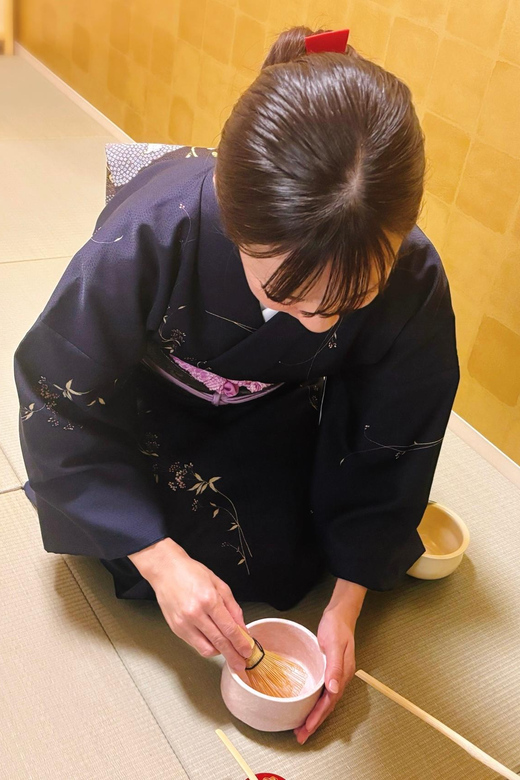
What I like most is that the tea portion is hands-on. You learn the rhythm behind the tea ceremony and then make matcha yourself, which turns abstract ideas like mindfulness into something practical you can try with your own hands.
The calligraphy lesson works the same way. You’re not just copying shapes. You choose a theme, talk about letters or words you like, get help finding the right kanji expression, then practice the strokes before you write your final piece.
The result is a souvenir that feels personal. You can also take photos freely during the session, so you won’t miss the small moments, like the moment you stamp your initials on your colored paper.
Entering the Namba Studio Near Shinsaibashi
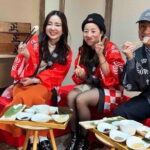
The studio meeting point is in Namba, close to where most Osaka sightseeing starts. You’ll come to the entrance of the New Osaka Hotel Shinsaibashi, then walk west for about 30 seconds. There’s a blue vending machine near the entrance, and the instructor will be outside about 5 minutes before your booked time, wearing kimonos so you can spot them easily.
Why this location is useful: you’re near Shinsaibashi-suji, which makes this easy to slot into an afternoon without a complicated commute. You can pair it with shopping, street food stops, or a break between bigger sights.
Also, because it’s a studio setting, the class has that “lower volume” feel. Even when you’re in the heart of tourism, you’re moving into a calm environment focused on tea, brushwork, and quiet attention.
One more practical note: you’ll want to bring socks. The activity includes calligraphy materials and a seated workshop setup, and socks are part of that comfort plan.
Calligraphy Lesson: Choose Your Kanji Story and Write It
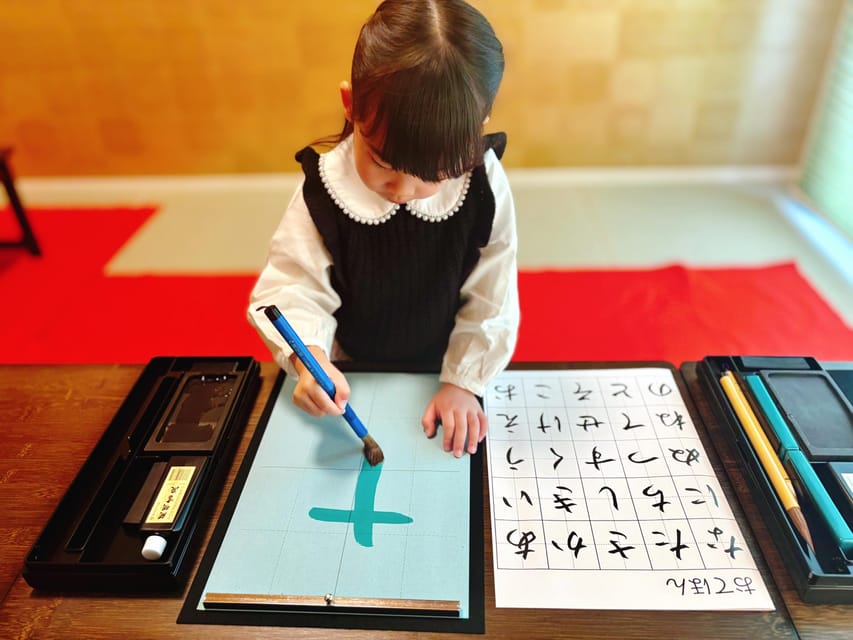
The calligraphy portion starts with choice, not guesswork. You pick a theme you want to write about, then share your favorite letters and words. If you want help connecting your idea to the right characters, Wanoma can suggest the best kanji to express yourself.
This is where the experience becomes more than a craft class. Your calligraphy isn’t only about skill. It’s about meaning. The way your name (and writing) maps to Japanese characters is part of the learning, including the idea of converting your name into kanji based on your personality.
Next comes the basics, taught clearly. Before you pick up your brush for the final work, you’ll get a detailed lecture on basic practices and proper strokes. This reduces the usual first-timer problem, where people worry they’ll mess up.
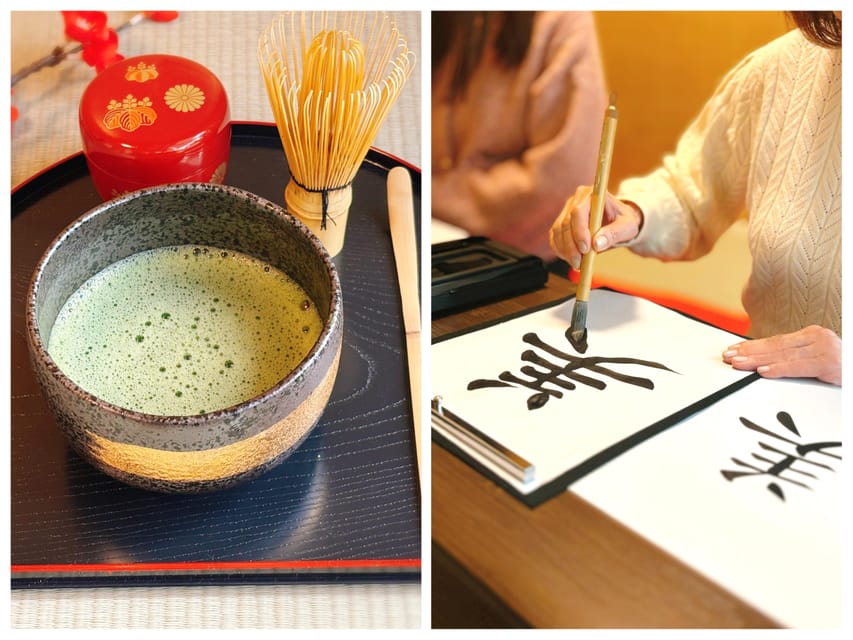
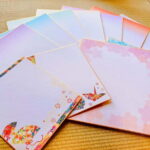
Then you choose from colored paper options and print it out for your final piece. You’ll write your name in Japanese characters, stamp your initials, and you’re done. It’s a built-in “finish line,” which helps you leave with something that looks complete and ready to display.
If you’re traveling with younger kids, there’s also a water calligraphy option. It’s designed to prevent hands and clothes from getting dirty, so you still get the experience without the mess.
Make something to take home. Other workshops
- Osaka: Traditional Mochi Pounding Experience with Tasting★ 4.9 · 306 reviews
- 【For adult】Traditional Mochi Pounding Experience with Tasting★ 5.0 · 67 reviews
- Osaka: Private Japanese Calligraphy Experience★ 5.0 · 66 reviews
- From Osaka: Sakai Knife Maker or Blacksmith Walking Tour★ 4.9 · 64 reviews
- Calligraphy Workshop in Namba, Dotonbori★ 5.0 · 57 reviews
Tea Ceremony Hour: Make Matcha, Pick a Bowl, Enjoy Two Sweet Rounds
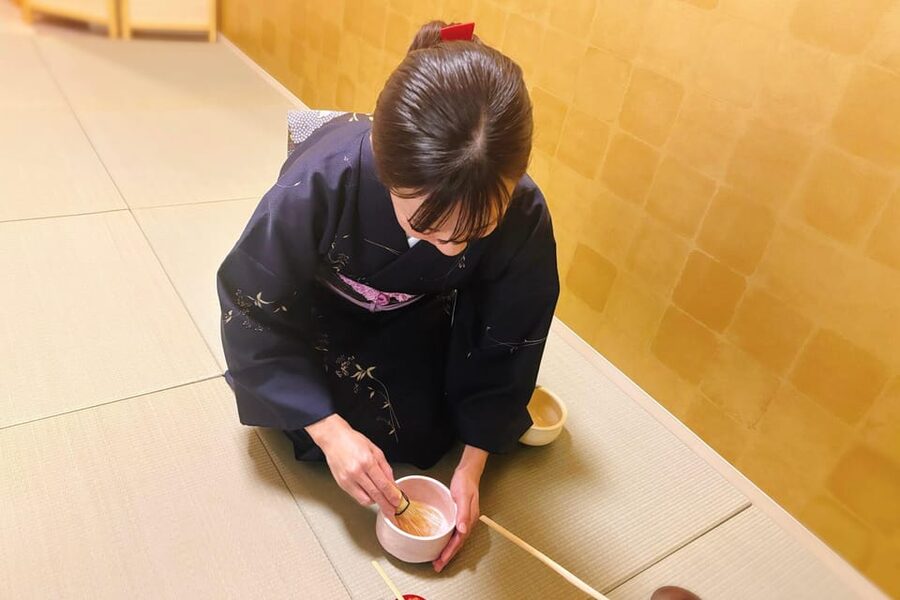
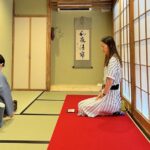
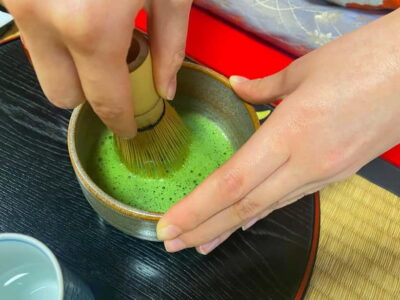
After the calligraphy lesson, the session shifts into tea. The tea ceremony part teaches you how to make tea, then you actually make it yourself. Instead of standing on the sidelines, you follow instructions and practice the steps, which is the difference between tasting tea and learning the culture behind it.
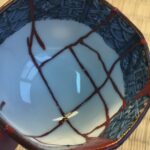
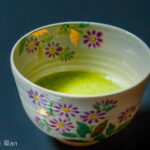
You also get to choose the tea bowl. You’ll select one that expresses your feelings today from among several bowl options. That simple choice makes the ritual feel less ceremonial for the sake of ceremony and more like a mindful moment you can personalize.
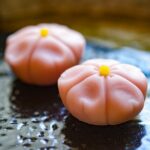
For the tasting, you’ll have matcha and Japanese sweets. The sweets come in different types twice during the tea portion, so you get more variety than a single plate of snacks. This is a nice way to notice how seasonal sweets work with the tea, even if you don’t know the traditions yet.
If you care about dietary needs, one detail I found encouraging is that lactose-free sweets were provided in at least one session. Because sweets are part of the guided experience, it’s worth paying attention to what you’re given and flagging needs where possible.
The overall tone here is relaxing. The ceremony is intricate, but the teaching approach is friendly and patient, built for first-timers. That’s especially important if you’re visiting Japan for your first time and want real cultural context without feeling lost.
From Brush to Souvenir: What You Take Home
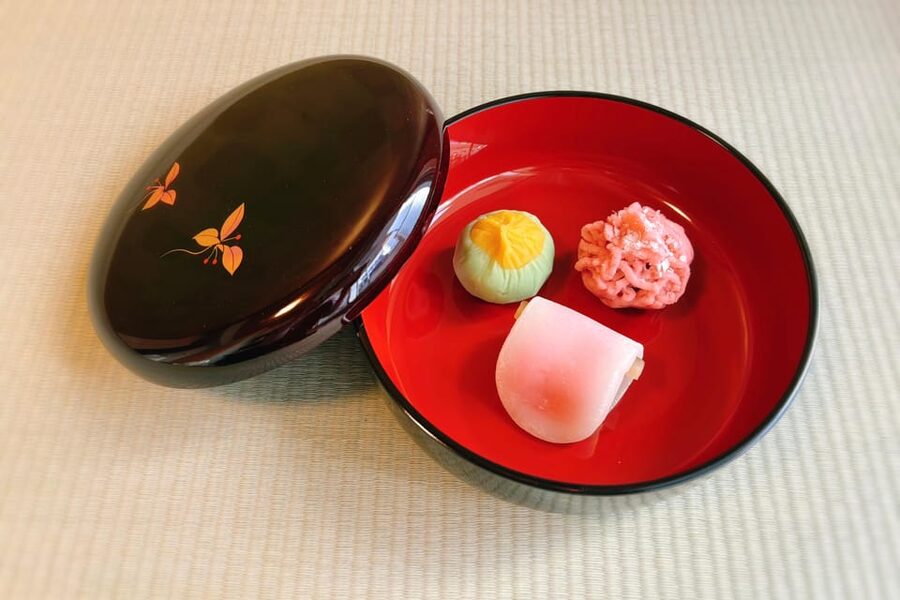
This experience is one of those rare cultural classes where you leave with something tangible that looks like art, not a half-finished worksheet. Your calligraphy is completed on colored paper, and you add your own finishing touches like writing your name in Japanese characters and stamping your initials.
That stamp matters more than you might think. It signals that your piece is completed as a personal work, not just practice strokes. It’s also a fun way to remember the session later, because you’ll see your initials every time you look at the paper.
You’ll also take home the skill memory. Even if your calligraphy doesn’t look perfect, you learn something about brush control and stroke order, plus the idea that characters can reflect intention and personality.
For matcha, the “souvenir” is different. It’s a sensory memory and a method you can repeat later. The session teaches you how to make matcha during the ceremony, so you’re not just tasting a drink, you’re learning a process that you can recreate with the right matcha and tools.
And since the experience is private and photo-friendly, you can document both your artwork and the steps you learned. That makes it easier to share the moment later without missing key visuals.
How the Private Format Helps Kids and First-Timers
A lot of cultural experiences fail when they’re paced for the average group. Here, the private setup makes the pacing flexible. The host can tailor the session to your needs, whether you want more time for photos or you need the experience to move slowly for a child.
One practical benefit: when you’re not competing for attention, questions get answered as they come up. That turns the lesson into a real conversation, which helps you understand why certain steps exist instead of memorizing motions.
This is also helpful for different ages. There’s an example of how the host can keep a 10-year-old and a teen engaged, including when they have trouble staying focused. That kind of adaptability is a major value add if you’re traveling with kids who don’t want to sit through a lecture.
If you’re an absolute beginner, you’ll still get structure. The calligraphy lesson starts with theme selection, then basic instruction, then practice, then the final piece. The tea lesson similarly gives steps before asking you to do it yourself.
So you get the best combination: guided teaching plus active participation.
Price and Value for a 135-Minute Private Workshop
At $64 per person for about 135 minutes, this sits in a category where the main question is: what’s included that you would otherwise pay for separately?
Here’s what you’re getting in one package:
- A fully guided tea ceremony with matcha making
- Japanese sweets served during the tea portion
- A calligraphy lesson with materials, including colored paper
- A take-home artwork where you write your name in Japanese characters
- Instructor guidance in English and Japanese
- Private, close attention, meaning you’re not splitting time with other people
If you compare it to doing tea tasting somewhere and then doing calligraphy separately, this feels efficient. You’re paying for two core cultural activities in one calm block, and the cost includes the materials and instruction rather than just entry.
The big value is not only what you do, it’s how you do it. Private time lets the instructor slow down, answer questions, and help you get to a finished piece. That’s why people describe it as peaceful and worth the money.
One small “value truth” to keep in mind: since you’re paying for a guided, materials-included workshop, it’s best when you show up with a bit of curiosity. If you want total hands-off sightseeing, you might prefer something else.
Before You Go: Socks, Seating, and Etiquette Basics
This is a workshop, not a museum line, so think comfort first. Bring socks as required. You’ll also be seated during calligraphy, so plan for a session where your hands will be active with brushes and ink tools.
There’s also no smoking during the experience. That’s easy, but it’s good to know.
Accessibility is limited: the experience is not suitable for wheelchair users. If you or someone in your party uses a wheelchair, you’ll need to choose another activity in Osaka that accommodates mobility needs.
For etiquette, you don’t need to memorize rules in advance. The class is guided and designed for first-timers, and you’ll get step-by-step instruction for both tea and calligraphy.
The biggest etiquette tip is a simple one: keep your phone ready for photos, but expect you’ll pause the outside world during the ceremony and brush practice. That’s where the calm comes from, and it makes your take-home souvenir feel earned.
Should You Book This Osaka Private Session?
Yes, if you want a meaningful cultural experience without the pressure of a group tour. You’ll like it if you care about details like the steps in tea preparation, the logic behind strokes in calligraphy, and the chance to take home your own work.
You should also book if you’re visiting Osaka and want a break from walking. This is a concentrated, hands-on 135-minute session in Namba, near the Shinsaibashi-suji area, so it’s easy to fit into a real itinerary.
Skip it if you need wheelchair access, since the experience isn’t suitable for wheelchair users. And if you’re expecting only sightseeing, this class is more active than that.
If you’re deciding between this and a general tea tasting, I’d choose this workshop. Making matcha and writing your name in Japanese characters gives you more than a snack, it gives you skills and a souvenir you can hold.
FAQ
Where is the meeting point in Osaka?
Meet at the entrance of New Osaka Hotel Shinsaibashi. Walk west about 30 seconds from the entrance, where you’ll see a blue vending machine nearby. The instructor waits outside about 5 minutes before your scheduled booking time, wearing kimonos.
How long is the experience?
The duration is 135 minutes.
Is it a private group class?
Yes. This is a completely private experience with instructor attention for your group.
What languages are offered?
The instructor speaks English and Japanese.
What do I need to bring?
You should bring socks.
Is it suitable for wheelchair users?
No. The experience is not suitable for wheelchair users.
Made by Hand, and Yours to Keep
Kyoto by the Bowl
Newest Osaka write-ups from the Loving Japan desk

Kyoto Tea Ceremonies and Matcha, side by side.
 ★ 4.9Tea Ceremony in a Traditional Tea House in KiyomizuFrom $493,519 reviews
 ★ 4.9Tea Ceremony Ju-An at Jotokuji TempleFrom $293,207 reviews
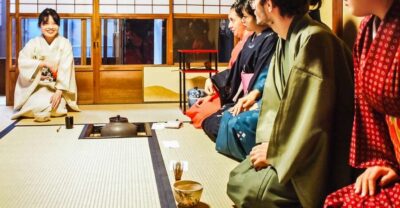 ★ 4.345-Minute Tea Ceremony Lesson ExperienceFrom $222,378 reviews
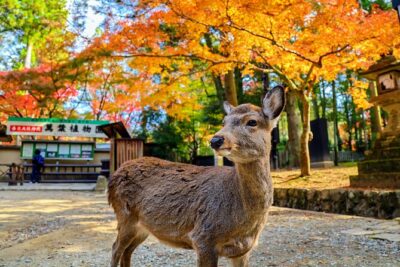 ★ 5.0World Heritage Kyoto & Nara Uji Authentic Matcha ExperienceFrom $1291,573 reviews
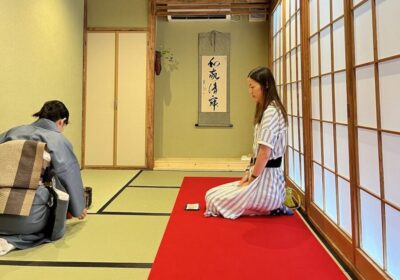 ★ 4.9Tea Ceremony ExperienceFrom $251,426 reviews
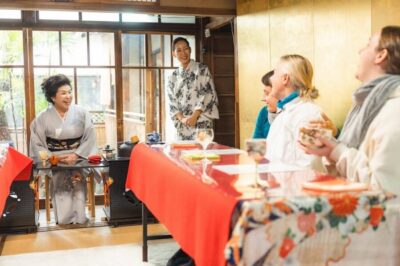 ★ 4.9Table-Style Tea Ceremony at a Kyo-MachiyaFrom $451,211 reviews
 ★ 4.8Kenrokuen Tea Ceremony ExperienceFrom $351,139 reviews
 ★ 5.0Kimono Tea Ceremony at Kyoto Maikoya, NISHIKIFrom $65911 reviews
Filed on these lists too