
REVIEW · JAPANESE CRAFT AND CALLIGRAPHY WORKSHOPS
Osaka: Sashiko Japanese Craftsmanship Workshop
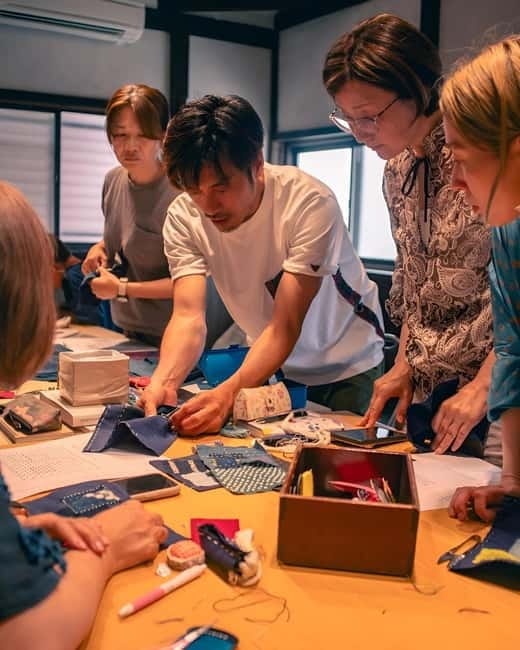
A quiet craft break is hard to beat. This Sashiko workshop turns traditional Japanese hand-stitching into a relaxing, step-by-step session where you’ll create geometric textile art on fabric, then take home your finished coaster. I really like the small-group feel, and the way the lesson mixes practical technique with cultural context.
One consideration: the session is 2 hours, so you’ll leave with a compact project (like coasters) rather than something large like a full garment.
In This Review
- Key things to know before you go
- Why Sashiko stitching feels like a reset in Osaka
- Workshop space, meeting near Kyobashi, and what the “small group” changes
- The 2-hour flow: from Edo-period basics to your geometric coaster
- What you’ll learn: stitches, pattern logic, and why symbolism shows up
- Instructor June, plus the friendly teaching style you’ll want to look for
- Price and value: what $67 really buys you
- Shopping corner tips: threads and kits you can actually use later
- Who this workshop fits best (and who might not love it)
- Should you book this Sashiko workshop in Osaka?
- FAQ
- How long is the Osaka Sashiko craft workshop?
- How much does it cost?
- What do I make during the workshop?
- Is the class beginner-friendly?
- What language is instruction offered in?
- How many people are in the group?
- Where can the meeting point be arranged?
- Is transportation to the venue included?
Key things to know before you go
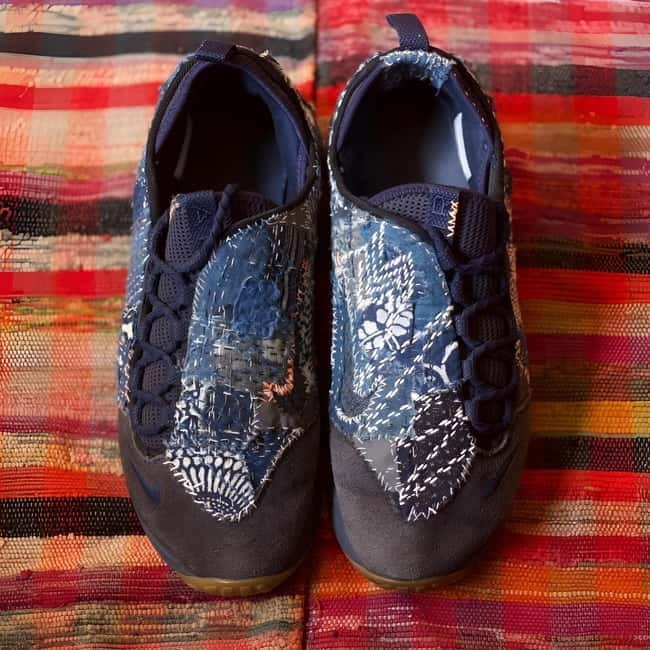
- Sashiko technique in a hands-on format: you’ll practice the stitch method, not just watch.
- Small group, max 8 people: more guidance, less crowding.
- Geometric patterns for coasters: you get a clear, craftable design to focus on.
- History and symbolism: you learn why patterns matter in Japanese craftsmanship.
- Tools and materials included: fabrics, needles, thread, and Sashiko supplies are provided.
- English and Japanese instruction: you can learn without guessing at the meaning.
Make something to take home. Other workshops
- Osaka: Traditional Mochi Pounding Experience with Tasting
★ 4.9 · 306 reviews - 1.5〜2 Hours Traditional Kintsugi Work Shop in Namba Osaka
★ 5.0 · 75 reviews - 【For adult】Traditional Mochi Pounding Experience with Tasting
★ 5.0 · 67 reviews - Osaka: Private Japanese Calligraphy Experience
★ 5.0 · 66 reviews
Why Sashiko stitching feels like a reset in Osaka
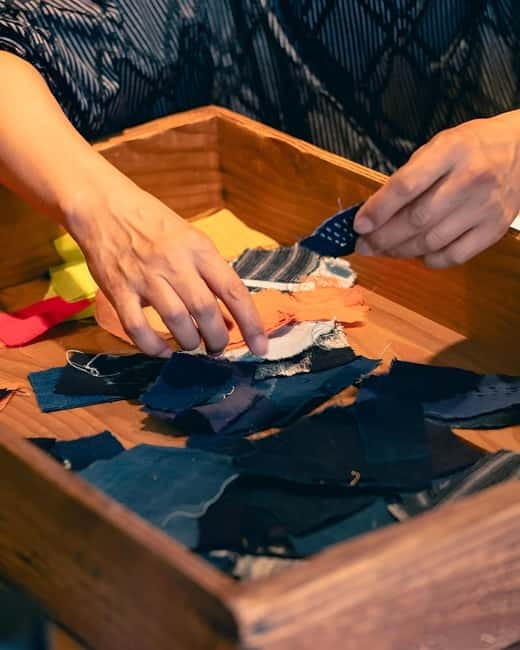
Osaka can be loud and fast. This workshop is the opposite. Sashiko is a practical craft with a calm rhythm, and that shows in how the class is structured. You’ll work with deliberate, repeating stitch patterns that are meant to be both useful and artistic.
What I like most is that the workshop doesn’t treat Sashiko as an abstract art project. You actually make something tangible, and you learn how the stitches come together to form geometric shapes. And because the goal is a coaster-sized piece, it stays manageable even if your sewing skills are rusty or you’re brand-new.
You’ll also get the story behind the craft. Sashiko literally means little stabs, and it started long ago as reinforcement and insulation for everyday clothing, especially among rural communities. That context helps the stitching feel purposeful, not just decorative.
Workshop space, meeting near Kyobashi, and what the “small group” changes
The class is designed for groups limited to 8 participants. That small cap matters. You’re not fighting for attention, and your instructor can correct your stitch spacing and handling as you go.
If you want an easy start, you can request to be met at Kyobashi station with advanced notice. It’s a nice option when your first day in Osaka needs fewer surprises. You’ll still handle your own travel to and from the venue, so plan the rest of your route like you would for any local workshop.
The setting also has a personal touch. One review notes the studio is inside an old house with wooden stairs and visible framing. That kind of atmosphere tends to make the whole experience feel more human and less like a factory-style craft class.
The 2-hour flow: from Edo-period basics to your geometric coaster

The workshop follows a clear teaching arc: background, demonstration, then guided practice.
First, you get an overview of Sashiko and how it developed. The lesson ties the craft to the Edo period (1603 to 1868), when it was used to reinforce and insulate garments. That’s more than trivia. When you know the stitch was originally meant to extend the life of clothing, you understand why pattern layout and consistency matter.
Next comes a demonstration of basic stitches. This is where you learn what to do with your needle and how to keep the spacing even. The workshop is set up so beginners can follow along, but it’s not dumbed down. If you sew already, you’ll still pick up technique cues that help your stitches look cleaner.
Then you practice by making a small item, typically Sashiko coasters. The coasters work well because geometric patterns give you structure. You can focus on rhythm and accuracy without getting overwhelmed by a large surface area.
Finally, you finish your piece and take it home as your handmade memento. Some participants mention finishing quickly and getting extra guidance, which is a good sign that the instructor adjusts to your pace rather than rigidly timing everyone.
- Osaka Go Karting Tour with Funny Costume★ 5.0 · 2,658 reviews
- Osaka Castle: Museum and Tower Entry Ticket★ 4.5 · 2,380 reviews
- Osaka: Shinsekai Food Tour with 13-15 Dishes at 5 Eateries★ 4.8 · 2,204 reviews
- Osaka Food Tour: 13 Dishes at 5 Local Eateries★ 5.0 · 2,149 reviews
- Hungry Osaka Street Food Tour:15 Tastings & 3 Drinks with a Local★ 5.0 · 1,727 reviews
What you’ll learn: stitches, pattern logic, and why symbolism shows up
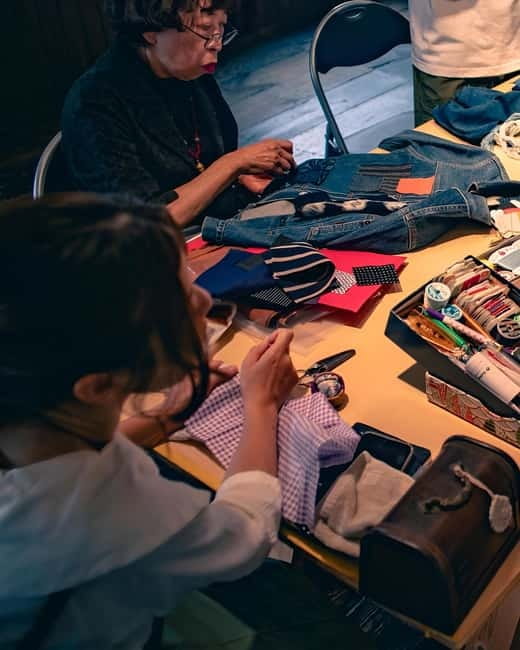
Sashiko may look simple, but it’s built on rules. In class, you’ll learn how to create precise, geometric stitching on fabric. That usually means repeating a pattern in a way that stays consistent across the whole piece.
The workshop also includes cultural insights. You’ll learn about the symbolism behind different Sashiko patterns and how each region in Japan developed its own motifs over time. Even if you don’t memorize pattern meanings, you’ll start to see that the craft isn’t random decoration. It’s a visual language, and the stitches are the alphabet.
That symbolism piece is worth your attention because it changes how you view the finished coaster. Instead of thinking you made a decorative mat, you’ll understand you created something that connects to historical garment repair and regional design traditions.
Instructor June, plus the friendly teaching style you’ll want to look for

The workshop lists June as the experienced instructor, teaching in English and Japanese. Multiple reviews call out a similarly friendly teaching presence and mention names like Nene and Jun, which suggests your session may be led by staff with different English-speaking styles depending on the day.
What matters for you is the approach: patient, encouraging coaching, with time for questions. Reviews repeatedly highlight a calm environment and helpful guidance, especially for people who are learning for the first time. If you’re the type who likes to understand not just how but why, you’ll likely appreciate the extra context on pattern origins.
One more practical detail: the workshop includes a small shopping corner next to the class area. It’s a nice opportunity to browse supplies like sewing kits and hand-dyed threads after you finish stitching. Some reviews also mention an unexpected inside-the-house charm, which makes the whole setting feel more like a personal studio than a quick, stop-and-go activity.
Price and value: what $67 really buys you

At $67 per person for a 2-hour workshop, the value comes from what’s included, not just the instruction.
You get:
- All necessary tools and materials, including fabric, needles, and thread
- An experienced instructor guiding your stitches
- A completed take-home project (often coasters)
- Cultural insights about Sashiko patterns and their significance
That matters because many craft classes charge extra for supplies or expect you to bring your own kit. Here, you can show up with normal travel energy and still produce something by the end.
Also, the price likely makes more sense if you’re trying to avoid buying a starter kit in Osaka first. Buying all the thread colors, needles, and fabric separately can add up fast. This class bundles the essentials and wraps them in teaching time.
If you’re traveling solo, there’s a minimum of 2 guests. If that minimum isn’t met, the provider offers one of these options: an alternate date, a 3000 yen solo supplement, or a full refund. That’s a detail worth checking if you’re set on a specific day.
Shopping corner tips: threads and kits you can actually use later
Right next to the workshop area, there’s a little shopping corner with JunAle original goods, sewing kits, hand-dyed threads, and clothing. It’s not required for the workshop, but it’s a smart add-on if you want to keep stitching after you go home.
If you plan to buy supplies, pay attention to the note about cash discounts. If you’re traveling with cash, it might help you squeeze a bit more value out of your purchase. If you prefer card, just factor that into your budgeting.
The best part is that you’ll shop with a little more confidence after learning the basics. You’ll know what you want: thread thickness, suitable needles, and a starter rhythm for repeating patterns.
Who this workshop fits best (and who might not love it)
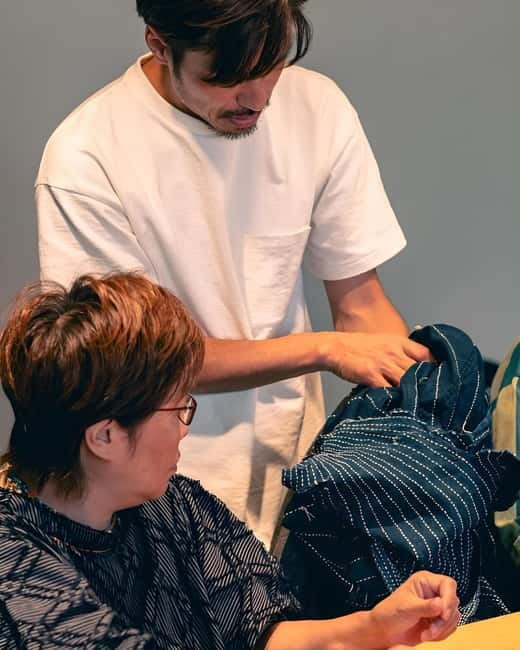
This is a great choice if you:
- Want a genuinely Japanese, hands-on activity that doesn’t require prior skill
- Enjoy slow, focused tasks and don’t mind concentrating for a couple hours
- Like learning the cultural context behind a craft, not just taking photos
- Want a take-home item that feels personal, because you made it
It might be less ideal if you:
- Want a big project, like a large textile piece, in a short time
- Prefer high-energy sightseeing or long walking plans
- Are expecting a lecture-only history experience without creating something
Because the workshop is wheelchair accessible and capped at 8 people, it also tends to feel manageable in practice, not like you’re being rushed through.
Should you book this Sashiko workshop in Osaka?
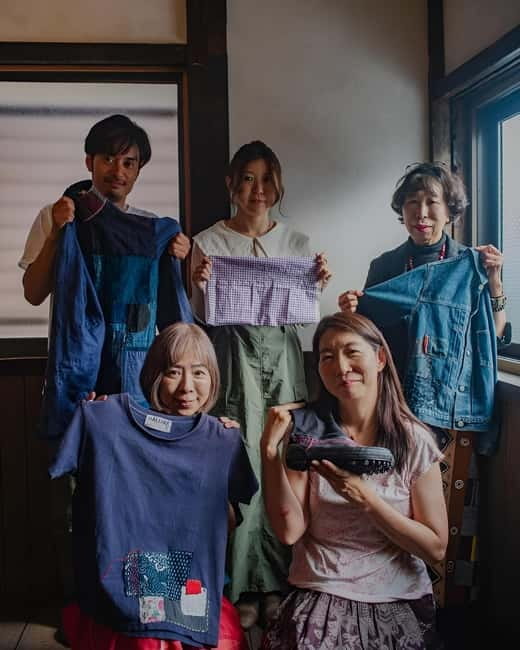
If you’re looking for an authentic craft moment in Osaka, I think this is the kind of class that earns its place. The stitch instruction is hands-on, the group size keeps things calm and supportive, and the take-home coaster becomes a useful souvenir, not a generic store-bought trinket.
Book it if you want to leave with a new skill, even a small one, and if you appreciate traditional crafts with practical origins. Skip it if you only want major attractions and you’re trying to pack in big daily sights, because this is a focused craft block, not a city tour.
If you do book, consider arriving a bit earlier so you can settle in before the first stitch. And if you finish ahead of schedule, lean into the instructor’s extra guidance. That’s often when you start to see your stitches improve fast and your confidence really clicks.
FAQ
How long is the Osaka Sashiko craft workshop?
The workshop lasts 2 hours.
How much does it cost?
The price is $67 per person.
What do I make during the workshop?
You’ll create a finished Sashiko piece, such as Sashiko coasters, using geometric patterns.
Is the class beginner-friendly?
Yes. The workshop is designed for both complete beginners and people with craft experience, with guidance throughout.
What language is instruction offered in?
Instruction is available in English and Japanese.
How many people are in the group?
The group is limited to 8 participants.
Where can the meeting point be arranged?
With advanced notice, you can be met at Kyobashi station.
Is transportation to the venue included?
No. You are responsible for your own travel to and from the workshop location.
Made by Hand, and Yours to Keep
Newest Osaka write-ups from the Loving Japan desk

Japanese Craft and Calligraphy Workshops, side by side.
 ★ 5.0Tokyo Shinjuku Chopsticks Making ClassFrom $201,763 reviews
 ★ 4.8Chopstick Making Workshop in GinzaFrom $251,366 reviews
 ★ 5.0Chopsticks Making Workshop in Gion with Engraving OptionFrom $15958 reviews
 ★ 4.8Tokyo Sumo Experience: Chanko & Mochi with a Former ProFrom $103567 reviews
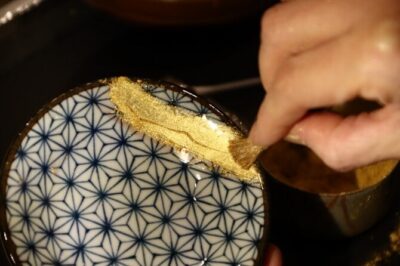 ★ 5.0Kintsugi Experience: Art of Golden Joinery in TokyoFrom $59467 reviews
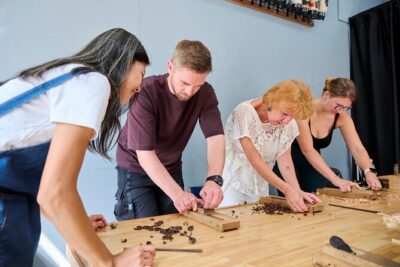 ★ 5.0Tokyo Chopstick Making Workshop with ArtisanFrom $26466 reviews
 ★ 4.9Matcha Making Experience with Mochi Sweets in AsakusaFrom $22388 reviews
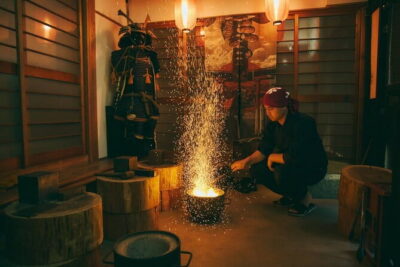 ★ 4.8Authentic knife making experience at a blacksmith in KyotoFrom $154350 reviews
Filed on these lists too