
REVIEW · JAPANESE CRAFT AND CALLIGRAPHY WORKSHOPS
Osaka: Temple Tour and Traditional Calligraphy Lesson
Zen and ink in the middle of Osaka. This 1 hour experience at Saishoji Temple pairs calm Zazen meditation with practical Japanese language learning, in a space that feels far from the city traffic.
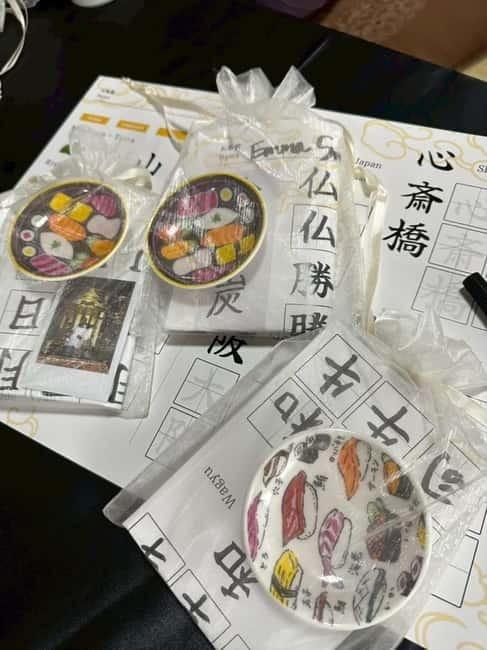
I especially like that you practice calligraphy in a structured way, then write one favorite kanji on a mini shikishi. You also get a name card with your kanji and meaning, plus a small ceramic plate (8 cm in diameter), which makes the lesson feel personal and worth the money. One consideration: because it is only an hour, you will get a satisfying taste, not a full language course or long-term calligraphy training.
In This Review
- Key Points You’ll Care About
- Saishoji Temple, Right Where You’ll Be in Osaka
- How the 1-Hour Session Feels, From First Words to Matcha
- Zazen Meditation: The Reset That Makes the Brushwork Easier
- The Calligraphy Lesson: Copy, Choose Your Kanji, Write It Clean
- Matcha Tea and Mindful Communication With Monks
- What You Take Home: Name Card, Mini Shikishi, and the Ceramic Plate
- Price and Value: Why $20 Can Feel Like a Deal
- Who Should Book This Osaka Temple Calligraphy Lesson
- Practical Tips for a Smooth Visit at Saishoji Temple
- Should You Book This Temple Tour and Calligraphy Lesson?
- FAQ
- Where is the meeting point for the experience?
- How far is Saishoji Temple from Yotsubashi Station?
- How long is the experience?
- Is the instruction available in English?
- What activities are included besides calligraphy?
- What do I get to take home?
- What is the price per person?
- Is there free cancellation?
- Can I reserve now and pay later?
Key Points You’ll Care About
- Saishoji Temple near Yotsubashi makes this easy to fit into a Shinsaibashi or Namba day
- Zazen breathing meditation helps you slow down before you pick up the brush
- Kanji copying first, then choosing one character keeps beginners from feeling lost
- Your take-home keepsakes include a name card and a mini shikishi with your kanji
- Matcha tea ceremony plus mindful conversation rounds out the session in a real cultural setting
- English instruction makes this work even if your Japanese is still forming
Make something to take home. Other workshops
- Osaka: Traditional Mochi Pounding Experience with Tasting
★ 4.9 · 306 reviews - 1.5〜2 Hours Traditional Kintsugi Work Shop in Namba Osaka
★ 5.0 · 75 reviews - 【For adult】Traditional Mochi Pounding Experience with Tasting
★ 5.0 · 67 reviews - Osaka: Private Japanese Calligraphy Experience
★ 5.0 · 66 reviews
Saishoji Temple, Right Where You’ll Be in Osaka
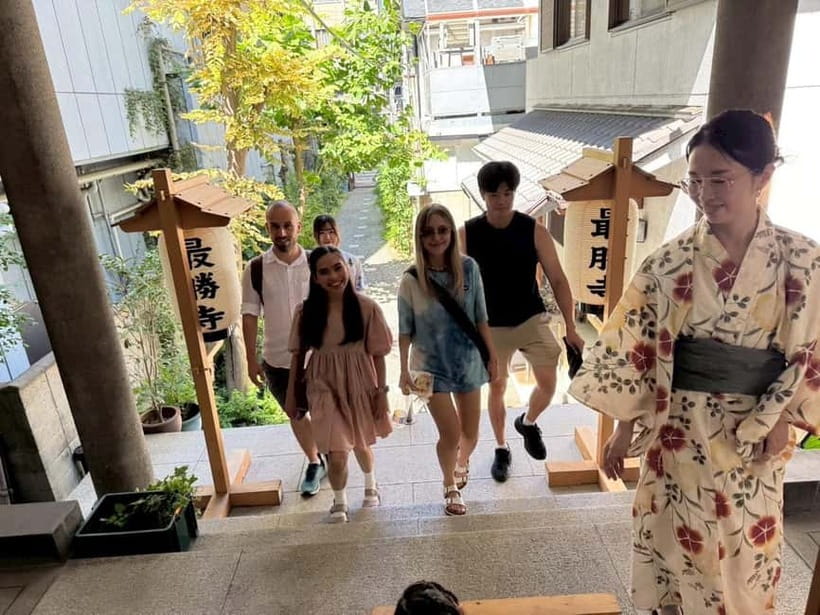
This experience starts at Saishoji Temple, located in Osaka’s Nishi-ku area. The practical win is the access: it is about a 3-minute walk from Yotsubashi Station (Osaka Metro Yotsubashi Line, Exit 4). If you are basing yourself near Shinsaibashi, you are roughly a 10-minute walk, and from Namba you are usually around 15 minutes on foot.
That matters because a calm, focused activity is easier when you are not rushed at the start. You do not want to arrive windblown and late, because this kind of lesson works best when your body and mind have a little runway to settle. Aim to arrive a bit early, take a breath, and get oriented before the session begins.
Also, the temple setting is the whole point. This is not calligraphy on a classroom chair. The quiet around the grounds supports the rhythm of Zen breathing and careful brushwork, so you feel less like you are performing and more like you are practicing.
How the 1-Hour Session Feels, From First Words to Matcha
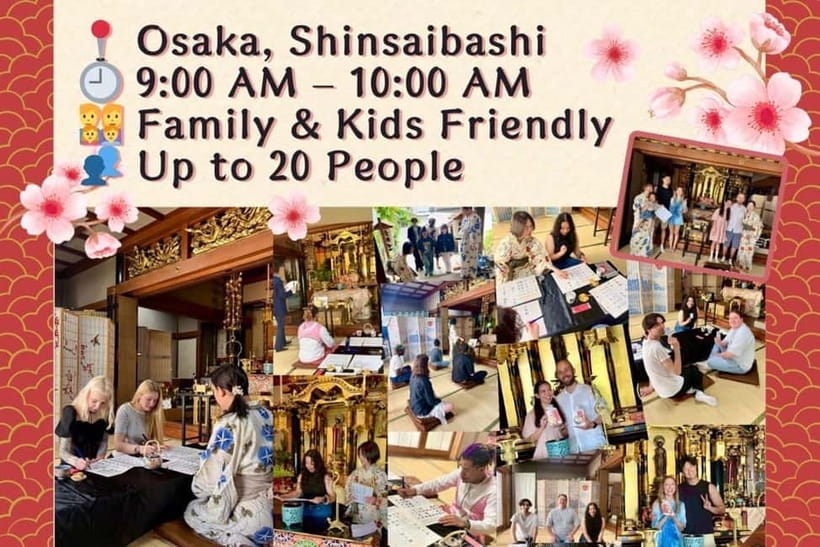
The tour is designed as a tight loop of language + mindfulness + hand skills. It is 1 hour, led in English, and built for different levels, from first-time learners to people who already read a bit of Japanese.
The session typically starts with a short guided lesson that gives you context. You will learn a bit about Shinsaibashi, Yotsubashi, and Osaka Castle, then you will also cover a key cultural difference: the way Japan separates temples and shrines. That sounds small, but it helps you avoid the common beginner mistake of treating every sacred site like the same thing. Once you understand the basic distinction, you start noticing details when you walk around Osaka’s sights on your own.
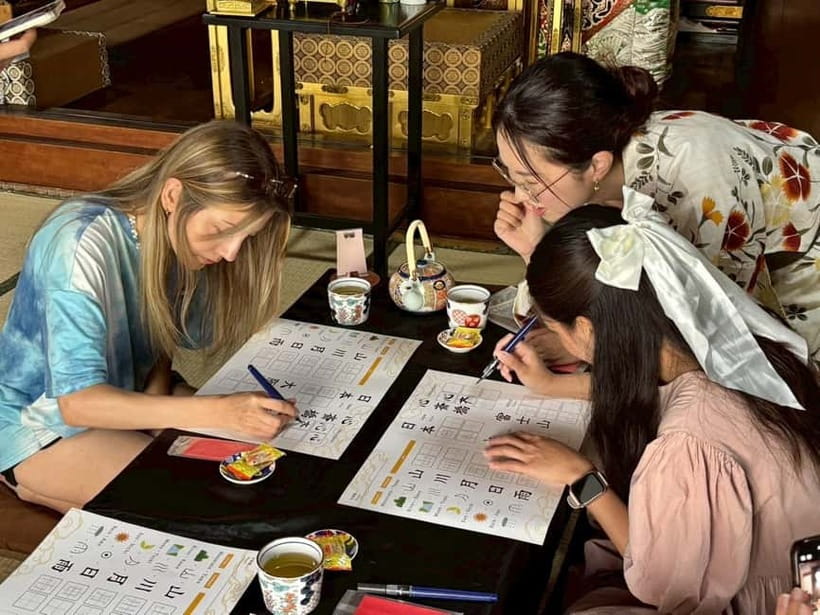
After the opening lesson, the experience shifts into the slower mode: Zazen meditation. Then comes calligraphy copying, and you write your chosen kanji on a mini shikishi. The session closes with a traditional matcha tea ceremony, plus a chance to interact with resident monks during the overall flow of activities.
If you like experiences that give you both meaning and technique, this layout works. You are not just making art. You are learning how to slow down, how to focus your attention, and how Japanese communication and ritual show up in everyday cultural practices.
Zazen Meditation: The Reset That Makes the Brushwork Easier
One of the most praised parts is the meditation component. The instructions focus on clearing your mind and paying attention to breathing. For many first-timers, this feels like the opposite of trying to do something difficult. You are not forcing performance. You are settling attention.
Here is why it matters for calligraphy specifically: brush strokes are a coordination skill. If your mind is sprinting, your hand follows. When you slow your breathing and focus, your body naturally becomes steadier, and the act of copying characters feels less like a task and more like a calm practice.
You can treat this as a mini mental reset before you start writing. Even if you do not consider yourself spiritual, you might find the breathing focus useful for travel stress. Osaka can be energetic, and a temple quiet hour is a helpful counterweight.
- Hungry Osaka Street Food Tour:15 Tastings & 3 Drinks with a Local★ 5.0 · 1,727 reviews
- Osaka: Tea Ceremony Experience★ 4.9 · 1,426 reviews
- Osaka Kickstart: Hotspots & Hidden Gems Tour★ 5.0 · 1,306 reviews
- Osaka: Hotspots & Hidden Gems Walking Tour Private or Group★ 4.9 · 1,300 reviews
- Deep Backstreet Osaka Tours (Option to add Dinner)★ 5.0 · 1,290 reviews
The Calligraphy Lesson: Copy, Choose Your Kanji, Write It Clean
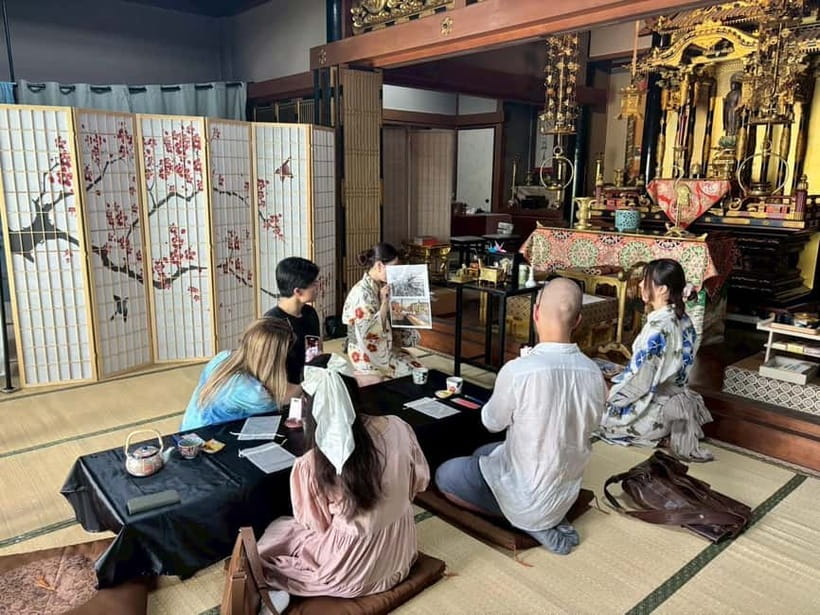
Calligraphy here is hands-on, but it is also guided, so you are not thrown into the deep end. The session begins with basic calligraphy practice and calligraphy copying, which is the smart order. Copying teaches you how strokes connect, how pressure changes the look of a line, and how the brush moves without drama.
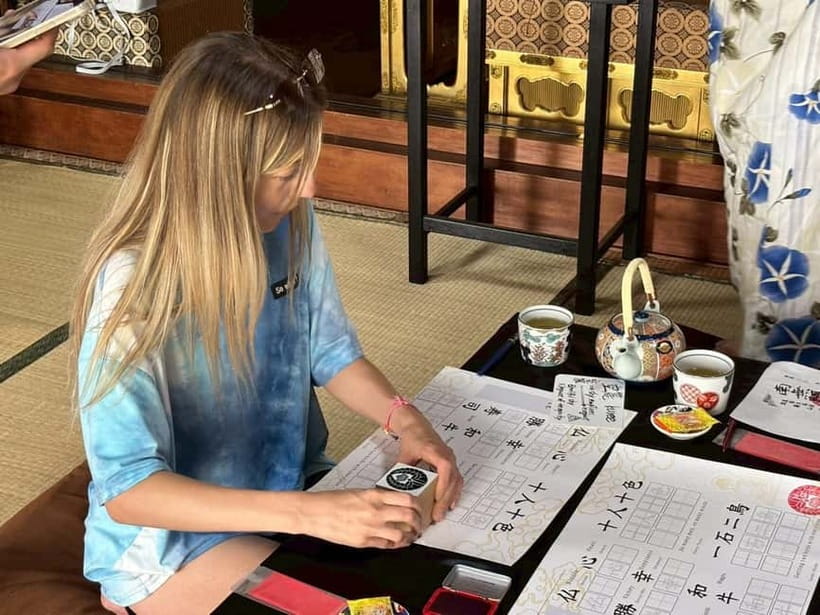
Then you move into the personalized part: you write one favorite kanji on a mini shikishi. That single choice is a big deal for motivation. Instead of leaving with a generic character that means nothing to you, you take home a character that actually feels relevant.
You also receive a name card with Japanese kanji and its meaning. That turns your lesson into something you can reference later, which is rare for short activities. If you are learning Japanese, even a small connection between a character and a word concept helps memory stick.
A few practical notes to keep expectations realistic:
- It is a beginner-friendly format, but you will still need patience with the brush.
- Your first character might not look perfect, and that is normal. The goal is learning control and attention, not producing a framed masterpiece.
- Because you write only one character, take that character seriously. It is your takeaway.
If you are a total novice, this is also the kind of lesson where the instructions in English can reduce the usual fear of not understanding. You can focus on the physical act of writing, instead of translating everything in your head.
Matcha Tea and Mindful Communication With Monks
The matcha tea ceremony is not just a cute add-on. Paired with the meditation and calligraphy, it completes the “slow down” theme.
During the earlier part of the tour, you learn conversational phrases and idiomatic cultural expressions, with an emphasis on mindful communication. That means the language learning is not random vocabulary. It is tied to how people interact in cultural situations.
Then the tea ceremony gives you a reason to use that mindset in a quiet, respectful moment. Even if you do not have complex Japanese, you can learn the feel of how rituals structure conversation and presence. And with interaction with resident monks included in the experience, you get a more grounded view of what this practice means in real life, not just as a performance.
This is also where the temple environment really helps. You are not dealing with a loud restaurant, and you are not chasing a selfie spot. You are in a setting designed for attention, which makes the tea taste better simply because your brain is actually there.
What You Take Home: Name Card, Mini Shikishi, and the Ceramic Plate
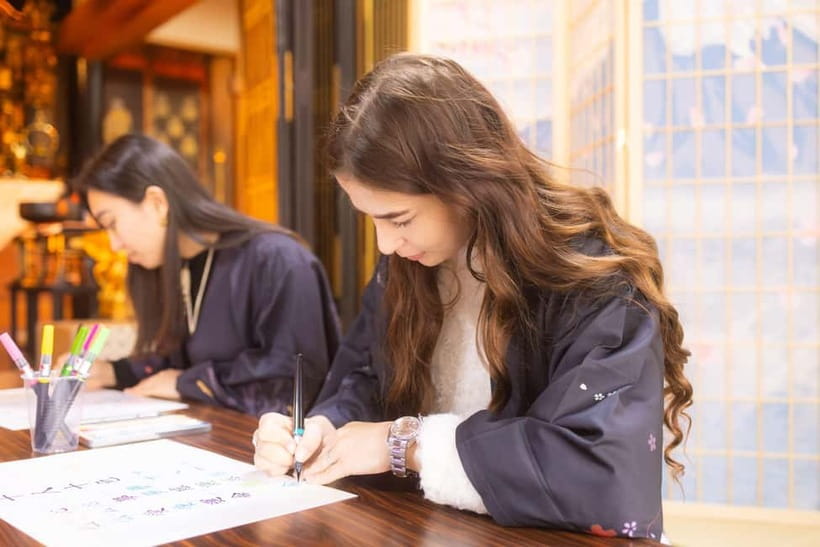
The take-home items are one of the strongest value signals.
You will receive:
- A mini shikishi with your written kanji
- A name card showing the kanji you chose and its meaning
- A small ceramic plate (8 cm in diameter) as a gift
These items make the hour feel “real,” not disposable. Calligraphy classes sometimes end with a photo and a vague memory. Here, you leave with an artifact tied to your own choice of kanji, plus context for what that character means.
If you plan to bring souvenirs back for family or friends, these are easy to explain. The name card helps you connect the object to the language learning, instead of leaving people with a question mark.
Price and Value: Why $20 Can Feel Like a Deal
At $20 per person for a 1 hour temple session, this is priced in the “short and focused” category. You should not expect a multi-hour workshop or a deep dive into Japanese grammar.
But here is what justifies the cost:
- Temple setting in Osaka, not a generic studio
- English-led instruction
- Included materials for the activities
- A structured sequence: guided history/language lesson, Zazen meditation, calligraphy practice, and matcha
- Take-home keepsakes: mini shikishi, a name card, and an 8 cm ceramic plate
For me, value like this is not just about the price tag. It is about the blend. You get hand skills, cultural context, and a calming practice in one session without needing advanced Japanese. That is hard to replicate in a DIY trip, unless you already know exactly what to do at a temple and how to connect it to language learning.
So if you want something meaningful but time-efficient while you are in Osaka, this is a strong option.
Who Should Book This Osaka Temple Calligraphy Lesson
This session is a great match if any of these sound like you:
- You want a calm cultural break from Osaka shopping energy
- You are learning Japanese and want a practical link between characters and meaning
- You have always wanted to try calligraphy, but you do not want a confusing classroom experience
- You like activities that mix mindfulness with a tangible result
- You are traveling solo and still want structured guidance in English
It is also well suited if you already have some calligraphy experience. The session is designed for different levels, and copying practice can still be useful if you want to refine stroke control and focus.
One consideration if you hate quiet settings: the meditation and temple environment are central. This is not the kind of experience that will feel exciting every minute. The excitement is the calm kind, plus the satisfaction of writing something you chose.
Practical Tips for a Smooth Visit at Saishoji Temple
Because the activity is short, logistics matter more than usual.
- Plan your route to the meeting point in advance. Use Yotsubashi Station Exit 4 as your anchor. The walk is short and easy.
- Aim to arrive a few minutes early so you can settle before the lesson starts.
- Since this is a temple activity, keep your clothing respectful and comfortable. If you are unsure, choose simple basics that let you sit and focus without fuss.
- Bring a calm mindset. You will do better if you treat this like practice, not testing your ability.
Also, the session is led in English, which helps if you are still building confidence with Japanese. You will be able to follow the instruction without needing fluent comprehension.
Should You Book This Temple Tour and Calligraphy Lesson?
Yes, if you want a single, focused hour that connects Japanese language learning to real cultural practice. The combination of Zazen breathing, guided kanji calligraphy, matcha tea, and take-home keepsakes makes it feel genuinely worth your time, even at just $20.
I would skip it only if you want a longer, grammar-heavy Japanese lesson or if you strongly prefer loud, fast-paced activities. This is meant to slow you down and give you something you can hold.
If you are in Osaka near Shinsaibashi, Namba, or Yotsubashi and you have even a small gap in your schedule, this is the kind of booking that can become a memorable day highlight, not just another entry in your travel photo roll.
FAQ
Where is the meeting point for the experience?
The meeting point is Saishoji Temple, 1-6-18 Kitahorie, Nishi-ku, Osaka, 550-0014, Japan.
How far is Saishoji Temple from Yotsubashi Station?
It is about a 3-minute walk from Yotsubashi Station (Osaka Metro Yotsubashi Line, Exit 4).
How long is the experience?
The duration is 1 hour.
Is the instruction available in English?
Yes. The instructor is English.
What activities are included besides calligraphy?
You will also take part in Zazen meditation and a traditional matcha tea ceremony, along with a guided history and language lesson.
What do I get to take home?
You will write your favorite kanji on a mini shikishi, receive a name card with Japanese kanji and its meaning, and get a small ceramic plate (8 cm in diameter) as a gift.
What is the price per person?
The price is $20 per person.
Is there free cancellation?
Yes. You can cancel up to 24 hours in advance for a full refund.
Can I reserve now and pay later?
Yes. The option is listed as Reserve now, pay later, with pay nothing today.
Made by Hand, and Yours to Keep
Newest Osaka write-ups from the Loving Japan desk



Japanese Craft and Calligraphy Workshops, side by side.
 ★ 5.0Tokyo Shinjuku Chopsticks Making ClassFrom $201,763 reviews
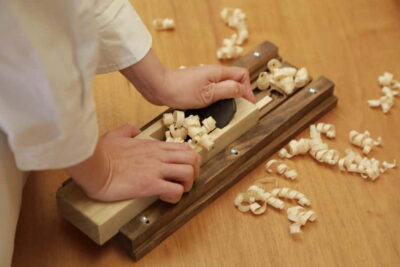 ★ 4.8Chopstick Making Workshop in GinzaFrom $251,366 reviews
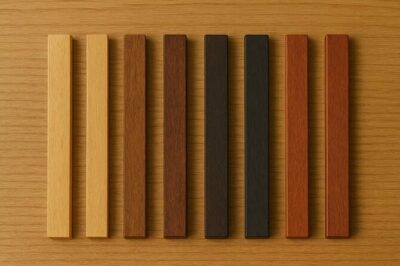 ★ 5.0Chopsticks Making Workshop in Gion with Engraving OptionFrom $15958 reviews
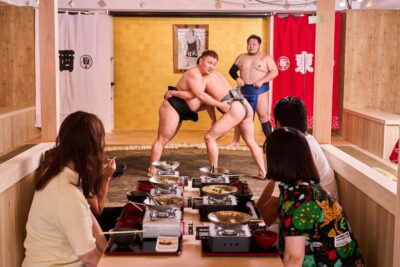 ★ 4.8Tokyo Sumo Experience: Chanko & Mochi with a Former ProFrom $103567 reviews
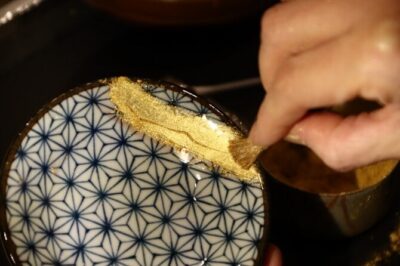 ★ 5.0Kintsugi Experience: Art of Golden Joinery in TokyoFrom $59467 reviews
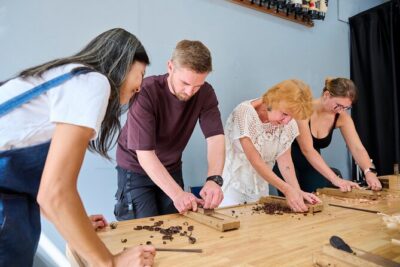 ★ 5.0Tokyo Chopstick Making Workshop with ArtisanFrom $26466 reviews
 ★ 4.9Matcha Making Experience with Mochi Sweets in AsakusaFrom $22388 reviews
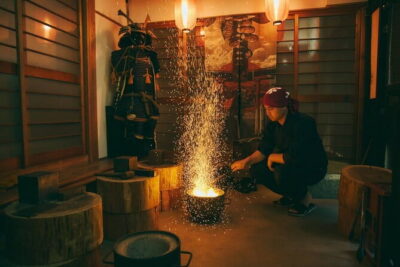 ★ 4.8Authentic knife making experience at a blacksmith in KyotoFrom $154350 reviews
Filed on these lists too