
REVIEW · JAPANESE COOKING CLASSES
Private Guided Traditional Buddhist Cooking in Japan
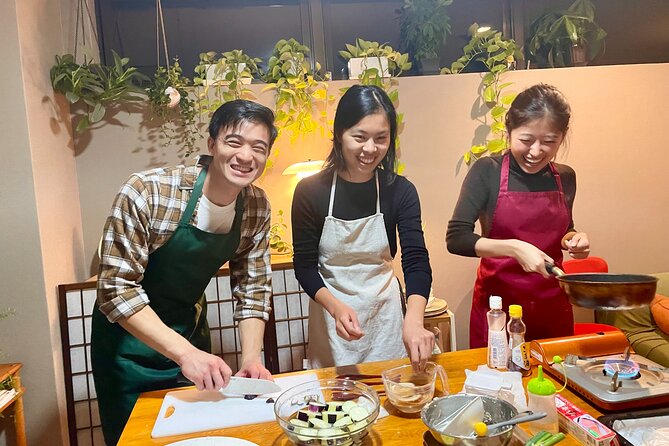
Cook vegan Kyoto meals with a temple guide. This private class pairs Kyoto temple time with a practical cooking session built around Shojin-ryori, Japan’s Buddhist tradition of plant-based meals. I especially like how Yukari connects ingredients to the food rules behind the cuisine, so what you make feels meaningful, not random.
The second thing I like a lot is the teaching style. Yukari keeps explanations clear and step-by-step, and you get written recipes so you can re-create the meal at home. It also comes as a real plate lunch at the end, so you leave with food, not just notes.
One thing to consider is transportation. Private transportation is not included, so you’ll need to plan how to reach the meeting point near public transit at Ichijōji Nodachō in Sakyo Ward, starting at 10:00 am.
In This Review
- Key takeaways before you go
- Kyoto Shojin-ryori cooking: why this plant-based meal feels different
- Meeting Yukari at the Ichijōji area, then getting to cooking mode
- Temple stops: Enkoji, Shisendo, and Ginkakuji as a food context
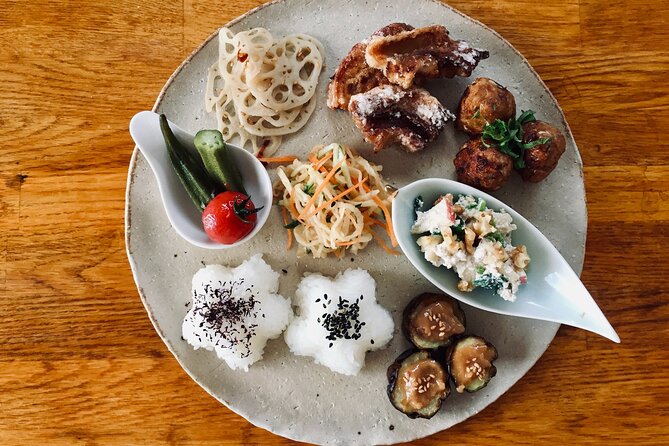
- The hands-on menu: 7 Shojin-ryori dishes plus rice
- 1) Simmered seasonal vegetables
- 2) Dried strips of daikon salad
- 3) Kinpira of lotus (braised thinly sliced lotus)
- 4) Nasu dengaku (miso-grazed eggplant)
- 5) Shiraae (mashed tofu salad)
- 6) Spicy teriyaki balls
- 7) Vegetarian fried chicken using wheat gluten
- Plus: rice balls
- How Shojin-ryori builds flavor without meat or fish
- Yukari’s teaching style: patient, detailed, and practical
- What you drink, and what you actually eat
- Price and value: what you’re paying for at $70.94
- Who this class fits best, and who should think twice
- Should you book Yukari’s Buddhist cooking class?
- FAQ
- How long is the Shojin-ryori cooking experience in Kyoto?
- Where does the experience start, and what time is it?
- Is the cooking vegan and free of animal products?
- What dishes will I learn to make?
- Can the class accommodate gluten-free participants?
- Is private transportation included?
Key takeaways before you go
- Private, hands-on Shojin-ryori cooking that focuses on the logic of Buddhist plant-based cuisine
- Yukari’s calm, detailed instruction plus recipes you can use later
- A full menu of 7 dishes plus rice, designed around seasonal vegetables and soy-based comfort food
- Temple stops included at Enkoji, Shisendo, and Ginkakuji to frame the food culture
- Dietary flexibility: gluten-free can be accommodated if you let them know
- Value in what is included: ingredients, equipment, aprons, drink, and recipes are all part of the price
Cook it yourself instead. Other kitchens in Kyoto
- Ramen Cooking Class at Ramen Factory in Kyoto
★ 5.0 · 1,937 reviews - Sushi Making in Kyoto! Same-day bookings welcome!
★ 5.0 · 713 reviews - Kyoto: Ramen Cooking Class at a Ramen Factory with Souvenir
★ 4.9 · 532 reviews - Kyoto: Ramen, Gyoza, and Onigiri Cooking Class
★ 5.0 · 445 reviews
Kyoto Shojin-ryori cooking: why this plant-based meal feels different
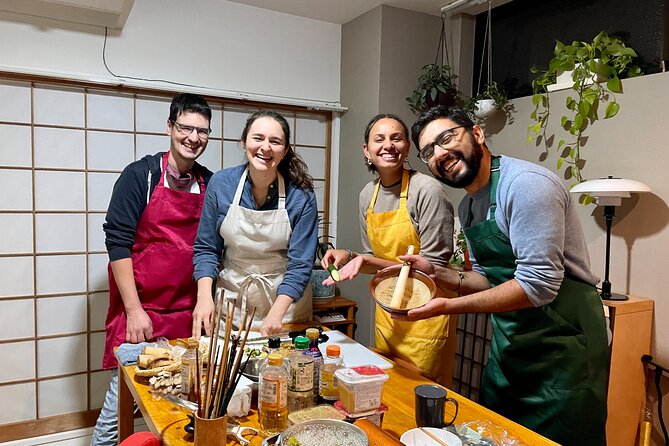
Shojin-ryori is Buddhist cooking shaped by a simple rule: no animal products. In Kyoto, that constraint turns into something clever. You start noticing how flavor builds from vegetables, tofu, grains, seaweed, and fermented foods, instead of relying on meat-based stock or fish sauces.
In this class, that matters because you are not just eating vegan food. You’re learning the cooking mindset behind it. Yukari introduces the cuisine first, then you cook, so the dishes you make connect to the broader why.
This is also Kyoto-specific in how it’s taught. The experience is framed with temple visits, and the cooking session follows the same theme: seasonal plants treated with care. The result is that the food doesn’t feel like a substitute. It feels like a complete cuisine.
Meeting Yukari at the Ichijōji area, then getting to cooking mode
The experience starts at 10:00 am at Japan, 606-8165 Kyoto, Sakyo Ward, Ichijōji Nodachō, Fairmont Building (marked as 16 フェアモントビル). You end back at the same meeting point, so you’re not stuck figuring out your way home after you’re done eating.
This matters because cooking classes can become a timing puzzle. Here, you have a fixed start time and a loop-back finish. Also, private transportation is not included, but it’s listed as near public transportation, which is a big practical win in Kyoto.
Once you meet Yukari, you’re guided into the Shojin-ryori approach before you touch the ingredients. You get aprons, and the class includes all the equipment and utility or facility charges. That means you’re not paying extra for basic kitchen basics, which is one of the easiest ways cooking classes inflate in cost.
Temple stops: Enkoji, Shisendo, and Ginkakuji as a food context
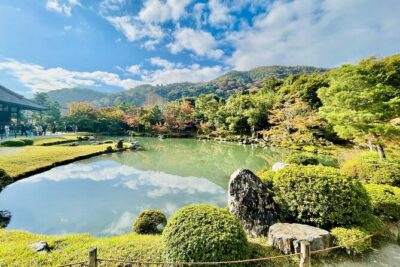
You’ll visit three temples as part of the experience: Enkoji Temple, Shisendo Temple, and Ginkakuji Temple. Even if you’ve toured temples in Kyoto before, the point here is how Yukari uses these places to set up the food culture behind them.
Think of it as cultural calibration. Shojin-ryori isn’t just a vegan label. It comes from a lifestyle and rule set, and it developed at Buddhist temples where killing animals is prohibited. By putting the cooking inside that context, the lesson stops feeling like a generic food workshop.
A practical consideration: you’ll want to be ready for the rhythm of a short day that mixes temple time with kitchen work. Since the cooking is the heart of the experience, plan to arrive early enough to stay calm, then follow Yukari’s pace once you’re in the cooking portion.
- PERFECT KYOTO 1-Day Bus Tour★ 5.0 · 13,518 reviews
- Kyoto: Fushimi Inari, Kinkakuji, Bamboo Grove 1 Day Bus Tour★ 4.8 · 4,316 reviews
- Kyoto: Tea Ceremony in a Traditional Tea House in Kiyomizu★ 4.9 · 3,519 reviews
- Kyoto: Tea Ceremony Ju-An at Jotokuji Temple★ 4.9 · 3,207 reviews
- Kyoto: 45-Minute Tea Ceremony Lesson Experience★ 4.3 · 2,378 reviews
The hands-on menu: 7 Shojin-ryori dishes plus rice
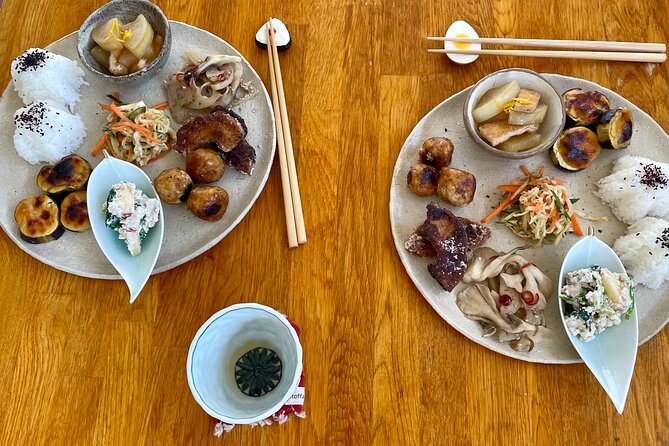
Here’s what you’ll make in the class, and each dish teaches a different piece of the Shojin-ryori puzzle:
1) Simmered seasonal vegetables
You start with a gentle, home-style technique: simmering vegetables so they taste naturally sweet and well seasoned. The lesson focus is how to make vegetables feel complete, not like side pieces.
2) Dried strips of daikon salad
This gives you a texture lesson. Daikon can be mild, but when it’s treated and combined as a salad, it becomes lively. You learn how plant foods can deliver bite and balance without animal ingredients.
3) Kinpira of lotus (braised thinly sliced lotus)
Lotus is all about structure. The thin slicing and braising matter because lotus needs time to soften while still keeping some shape. It’s a good dish to learn for anyone who wants a more “Kyoto-flavored” side that doesn’t taste plain.
4) Nasu dengaku (miso-grazed eggplant)
Eggplant is one of the best vegetables for demonstrating Japanese flavor layering. “Miso-grazed” tells you the whole story: miso adds depth, and the eggplant texture does the rest.
5) Shiraae (mashed tofu salad)
This is where soy-based cooking becomes comforting. Shiraae is built on mashed tofu salad style, so it’s a lesson in making tofu feel flavorful and well integrated, not bland.
6) Spicy teriyaki balls
This is one of the more playful dishes on the menu. It teaches how to create a sticky, glossy taste profile using plant-friendly ingredients while keeping a recognizable Japanese sauce style.
7) Vegetarian fried chicken using wheat gluten
This is the “wow, it works” category. Wheat gluten can take on a chewy, chicken-like texture when handled the right way. Even if you’re already vegan, learning how to build that bite is usually the fun part.
Plus: rice balls
You finish with two rice balls, tying the whole meal together. Rice is where the cuisine feels grounded, and it also helps you understand how the dishes are meant to be eaten as a system, not as separate items.
How Shojin-ryori builds flavor without meat or fish
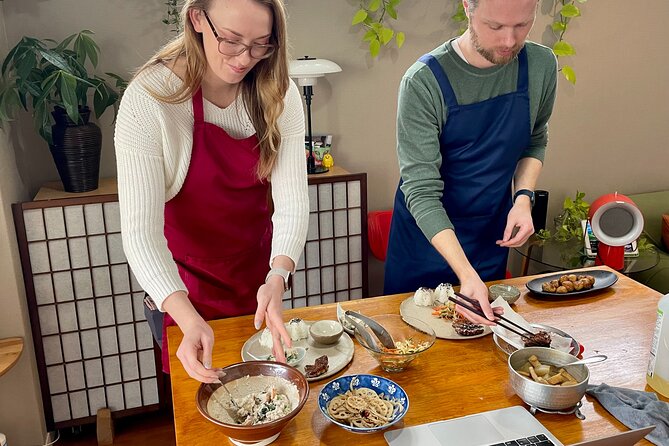
The class description spells out what makes Shojin-ryori work: no animal products, plus lots of seasonal vegetables, soybeans like tofu, grains, seaweed, and fermented foods. When you cook it this way, the flavors become less about one big protein and more about balance.
This is one reason I think this experience is a good value. Many vegan classes teach substitutions. This one teaches fundamentals: how simmering, braising, miso-based seasoning, tofu texture, and gluten-based structure each contribute something distinct.
You also learn what makes Kyoto ingredients feel special. From the way Yukari explains it, the point isn’t just eating trendy vegan food. It’s learning how regional plants and traditional methods create meals that feel properly Japanese.
Yukari’s teaching style: patient, detailed, and practical
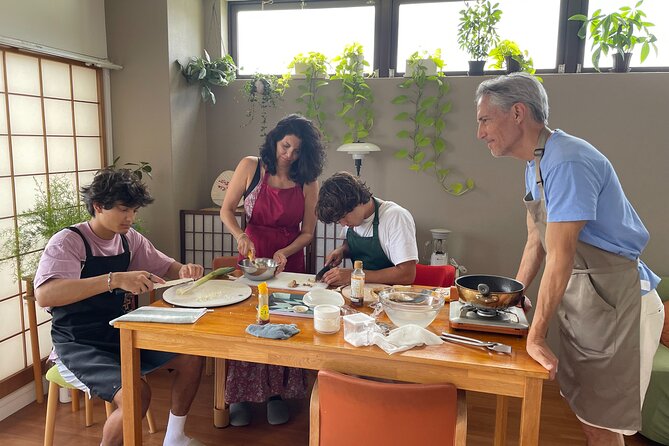
The reviews are unusually consistent on one theme: Yukari is a kind and talented host who explains with depth without making you feel lost. People specifically mention her patience and the detailed way she guides cooking steps.
Another repeated plus is the written recipes at the end. In a cooking class, verbal instructions fade quickly. Having recipes you can refer to later turns the session from a one-time experience into something you can repeat.
If you’re traveling with family, this is also a plus. One review highlighted that Yukari kept an 11-year-old engaged, which tells me the pacing works beyond just adult food nerds.
Gluten-free is also handled as an option. The class can accept gluten-free, as long as you let them know. That’s important for real planning, not last-minute improvising in the kitchen.
What you drink, and what you actually eat
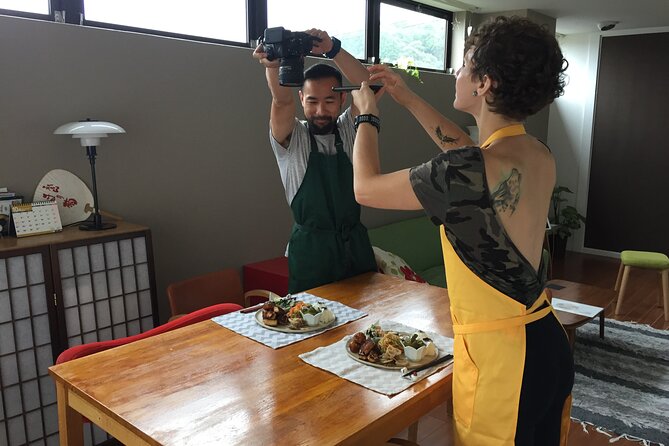
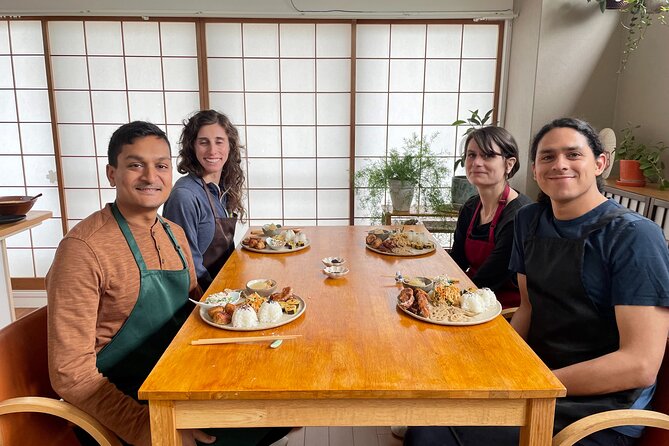
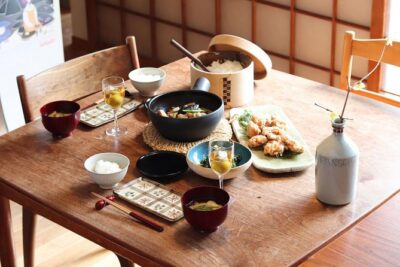
You get a drink with the meal, listed as water or tea. And at the end, you enjoy a beautiful, flavorful plate lunch (or dinner). Since it’s food you made with your own hands, you’re not waiting around hoping the meal is good. You’re already building it.
This is a nice shift from Kyoto sightseeing days where you snack, visit a few places, and then hope dinner is great. Here, food is the event.
And because ingredients and recipes are included, you’re less likely to feel that awkward add-on cost vibe that some experiences create after you arrive.
Price and value: what you’re paying for at $70.94
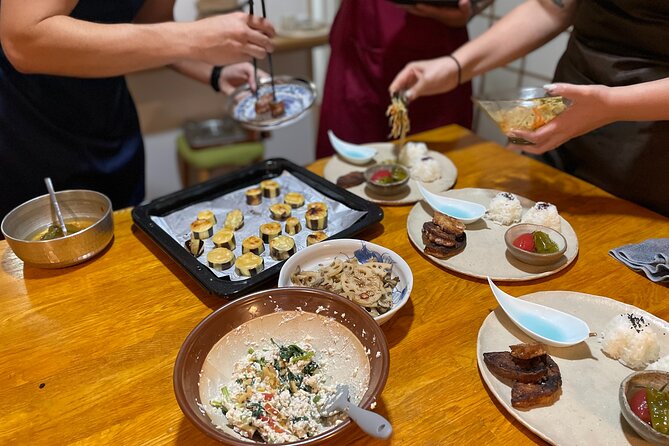
At $70.94 per person for about 2 hours 30 minutes, it can sound like a lot until you break down what’s included.
You’re paying for:
- A private-style experience where only your group participates
- A guide who teaches Shojin-ryori rules and Kyoto ingredient logic
- Hands-on cooking instruction
- Lunch ingredients, plus equipment, aprons, utility and facility fees
- A drink (water or tea)
- Recipes to take home
What’s not included is private transportation. That part is mostly on you, but because it’s near public transportation, you can keep the overall spend under control.
My take on the value: this price makes sense if you want a genuinely educational meal, not just a tasting. If you love cooking, or you want to bring a Kyoto skill home with you, you’ll likely feel good about the cost.
Who this class fits best, and who should think twice
This experience fits best if:
- You want vegan Japanese cooking that is rooted in temple traditions, not trendy shortcuts
- You enjoy hands-on classes more than passive tastings
- You want a Kyoto cultural tie-in, not just food on a plate
- You may cook again at home, since recipes are provided
It may be less ideal if:
- You don’t want to cook. This is a workshop where you make multiple dishes, not a sit-and-watch show
- You’re relying on transportation services. Private transportation is not included, so you’ll need to get there on your own using public transit
Should you book Yukari’s Buddhist cooking class?
I’d book it if you like the idea of learning a food system, not just collecting a few recipes. The strongest reason to say yes is how Shojin-ryori is taught: rules first, then technique, then a full plate meal built from that logic.
Also, Yukari comes through in the feedback with a consistent mix of warmth and clear instruction. If you’ve ever had a cooking class where you leave hungry and confused, this one is designed to end with both a good meal and usable take-home recipes.
If you can reach the Ichijōji meeting point by public transit and you’re ready for a hands-on, plant-based menu, this is a Kyoto experience that feels both authentic and practical.
FAQ
How long is the Shojin-ryori cooking experience in Kyoto?
It runs for about 2 hours 30 minutes.
Where does the experience start, and what time is it?
The start time is 10:00 am. The meeting point is Japan, 606-8165 Kyoto, Sakyo Ward, Ichijōji Nodachō, 16 フェアモントビル, and the activity ends back at the meeting point.
Is the cooking vegan and free of animal products?
Yes. This traditional Buddhist cooking, Shojin-ryorui, is made without animal products such as meat and fish.
What dishes will I learn to make?
You’ll cook 7 dishes: simmered seasonal vegetables, dried strips of daikon salad, kinpira of lotus, nasu dengaku, shiraae (mashed tofu salad), spicy teriyaki balls, vegetarian fried chicken using wheat gluten, plus two rice balls.
Can the class accommodate gluten-free participants?
Yes. Gluten-free is accepted, and you should let the provider know in advance.
Is private transportation included?
No. Private transportation is not included, but the meeting area is listed as near public transportation.
Kitchens You Can Book Into

Newest Kyoto write-ups from the Loving Japan desk
Japanese Cooking Classes, side by side.
 ★ 5.0Sushi Making Tokyo Roll and Authentic Japanese Sushi ClassFrom $593,971 reviews
 ★ 4.9Roll and Authentic Sushi Making Class in AsakusaFrom $581,957 reviews
 ★ 5.0Ramen Cooking Class at Ramen Factory in KyotoFrom $1311,937 reviews
 ★ 4.9Sushi Making Class in a Happi Coat near a Famous SpotFrom $421,377 reviews
 ★ 5.0Sushi Making Osaka Roll and Authentic Japanese Sushi ClassFrom $311,220 reviews
 ★ 5.0Tokyo Sushi Making Class in Tsukiji with Professional ChefFrom $491,177 reviews
 ★ 5.0Ramen & Gyoza Cooking Class in Tokyo with Local Supermarket VisitFrom $122823 reviews
 ★ 5.0Tsukiji Fish Market Guided Tour and Sushi Making with Pro ChefFrom $104775 reviews
Filed on these lists too