
REVIEW · JAPANESE CRAFT AND CALLIGRAPHY WORKSHOPS
Kyoto: Japanese Calligraphy Class
Kyoto calligraphy feels like a small time machine, turning quiet ink into personal meaning. This 1 hour workshop in front of Kyoto Station is hands-on from the first brush stroke, and it ends with pieces you can actually take home. You also get English instruction, so you are not stuck decoding symbols and silence.
I love that the teachers explain the tool work first, then let you practice at a calm pace. I also like the way you write your own name and a favorite word in kanji and alphabets, with help to steer you toward the right characters and meanings.
One consideration: it is only about an hour, so you will not become a master calligrapher, but you will leave with clear basics and a finished souvenir set that looks like real effort.
In This Review
- Key Highlights
- Finding the Studio Right by Kyoto Station
- What Happens in the First 15 Minutes, Brush, Ink, and Ink-Not-Dragging
- Your Practice Scroll: Learning Basic Kanji the Methodical Way
- Writing Your Name and Favorite Word in Kanji and Alphabets
- Making Souvenirs You Can Actually Use, Not Just Paper Weights
- English Instruction That Keeps You Writing Instead of Worrying
- Duration, Timing, and How to Fit This Into a Kyoto Day
- Price and Value: Why $51 Works for an Hour of Real Craft
- Who This Class Is Best For (and Who Should Skip It)
- Should You Book This Kyoto Japanese Calligraphy Class?
- FAQ
- Where is the meeting point for the Kyoto Japanese calligraphy class?
- How long is the class?
- Do I get instruction in English?
- What materials are included?
- What do I get to take home?
- Can I write my name and a favorite word?
- Is it suitable for young children?
Key Highlights
- Right by Kyoto Station, so you can fit this into almost any Kyoto day without a long commute
- English instruction, with practical guidance that makes starting easier
- A take-home scroll, featuring the kanji characters you practice in class
- Personal writing time, where you translate your name and favorite word into kanji and alphabets
- Souvenir crafting included, such as items like a fan, postcard, or picture-frame style keepsake, depending on what’s provided
- Patient 1:1-style support, with teachers like Rena, Lana, and Waka helping correct stroke direction
Make something to take home. Other workshops
- Kyoto : Chopsticks Making Workshop in Gion with Engraving Option
★ 5.0 · 958 reviews - Authentic knife making experience at a blacksmith in Kyoto
★ 4.8 · 350 reviews - Kyoto: Calligraphy class at Buddhist temple in city center
★ 5.0 · 167 reviews - Roketsu dyeing experience: M course Roketsu Dyeing Experience
★ 5.0 · 163 reviews
Finding the Studio Right by Kyoto Station
The meeting point is in front of Kyoto Station. That is a big deal in Kyoto, because it helps you avoid the typical scramble of getting across town before your energy runs out. You can plan this before a temple visit, after lunch, or as a reset when the city starts to feel like nonstop movement.
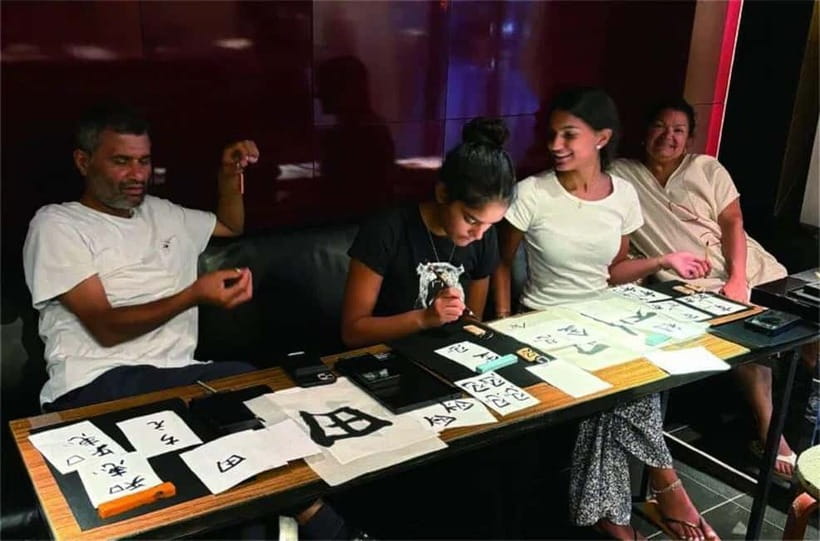
The class is run in small-group or private formats, so you are not just watching from the back row. Even with a group setting, the structure is built around you holding the brush, making marks, and getting corrections.
Also, the location in Honshu makes this a straightforward add-on to standard Kyoto plans. If your day is already centered on the main station area, this fits like a missing puzzle piece.
What Happens in the First 15 Minutes, Brush, Ink, and Ink-Not-Dragging
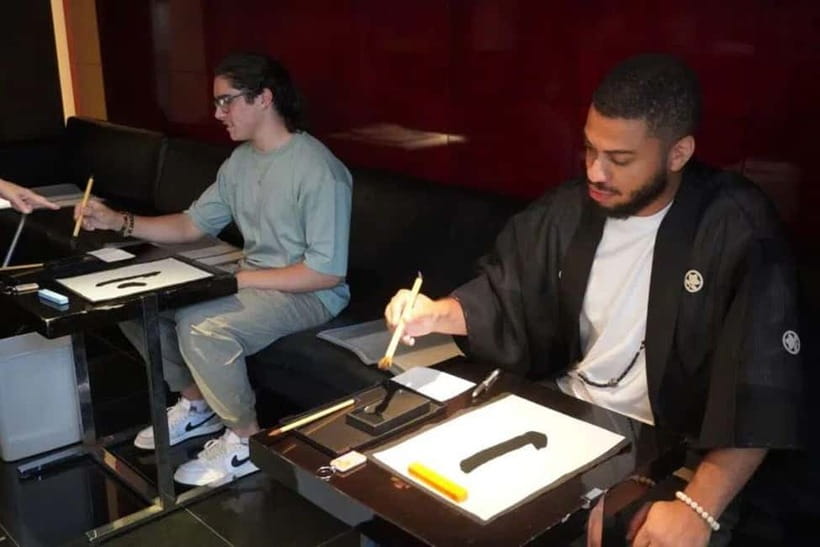
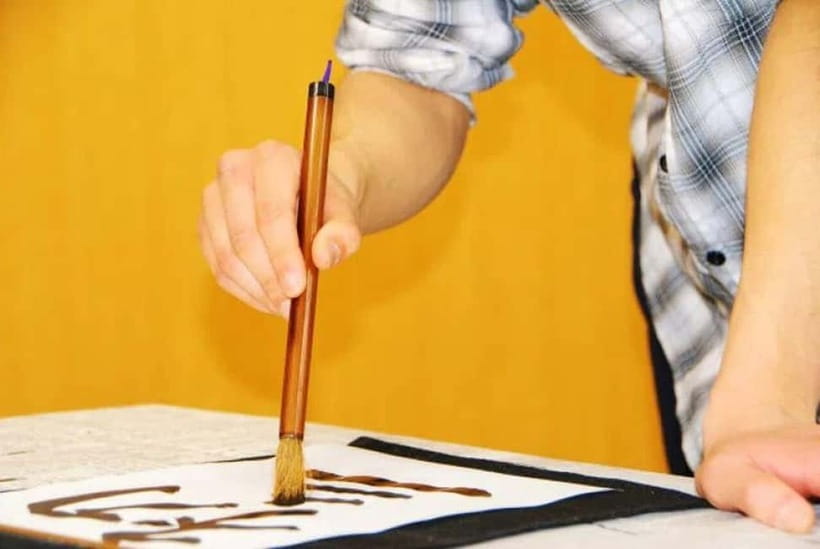
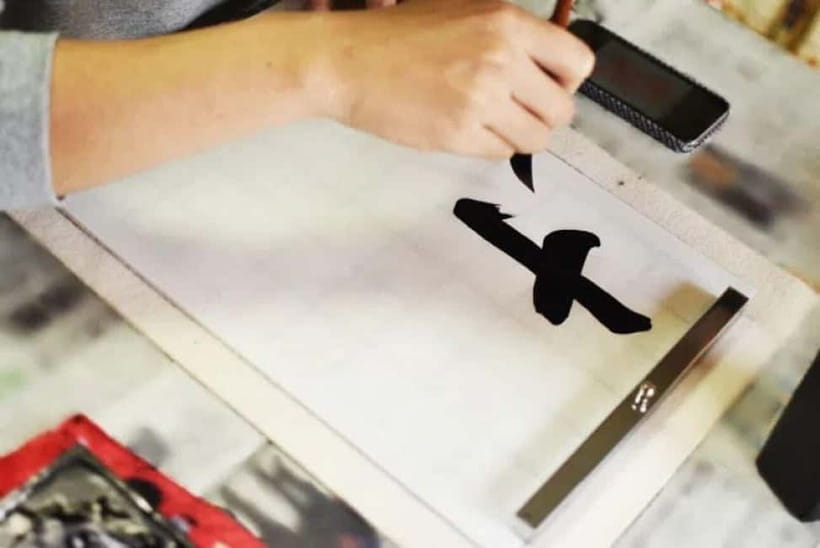
The class starts with a short lecture on how to use a brush and how to apply ink. This matters more than it sounds. Brush work is all about pressure, angle, and timing, and most beginners do not realize they are making the wrong kind of marks until someone quietly corrects their technique.
You will learn the practical mechanics first: how to hold the brush, how to control the flow, and what kind of stroke shape instructors want to see. Then the momentum shifts from listening to doing, with guided practice right away.
This is where teachers like Rena shine. The teaching style described across classes is warm and patient, with answers that make the learning feel like a conversation instead of a test.
One small drawback of any calligraphy class: the materials can get messy if you treat the ink like paint. The good news is you are being taught the right way from the start, so you are less likely to smear or waste your paper.
Your Practice Scroll: Learning Basic Kanji the Methodical Way
Next comes basic characters. You practice writing foundational kanji characters, guided step by step. The class then gives you a finished scroll of the kanji characters you write, which is a smart outcome for a beginner.
Why a scroll, and not just a single sheet? A scroll is forgiving in the sense that it turns practice into something presentable. You can look at it later and remember the exact stroke patterns you were working on.
This portion is also where you learn to recognize the shape logic in kanji. Even if you cannot read the language fluently yet, you start to see how characters are built from strokes with specific direction and weight.
Expect some guided structure, then gradual independence. Many people find this contrast satisfying: you get coaching when you need it, and then you get space to try again.
- PERFECT KYOTO 1-Day Bus Tour★ 5.0 · 13,518 reviews
- Kyoto: Fushimi Inari, Kinkakuji, Bamboo Grove 1 Day Bus Tour★ 4.8 · 4,316 reviews
- Kyoto: Tea Ceremony in a Traditional Tea House in Kiyomizu★ 4.9 · 3,519 reviews
- Kyoto Geisha Walking Tour: Gion District & Hidden Gems★ 4.7 · 3,273 reviews
- Kyoto: Tea Ceremony Ju-An at Jotokuji Temple★ 4.9 · 3,207 reviews
Writing Your Name and Favorite Word in Kanji and Alphabets
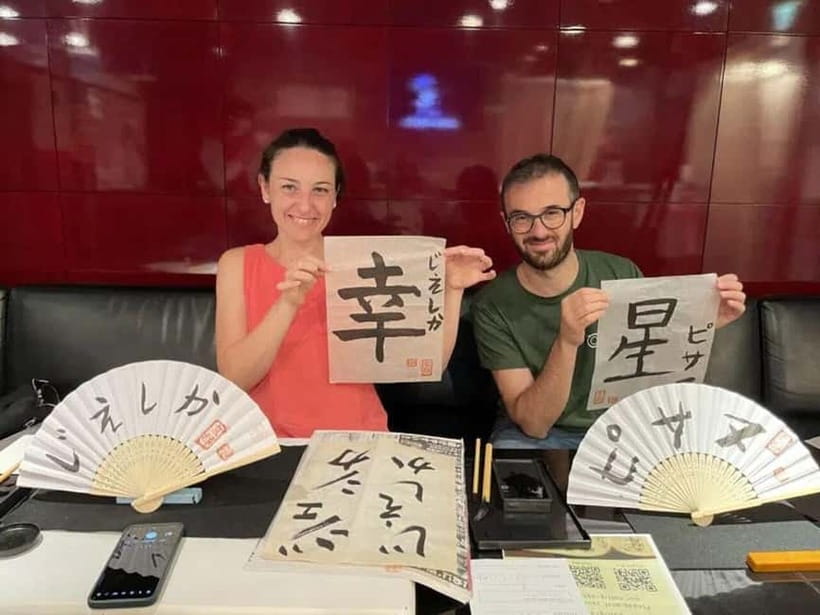
The core personal moment is writing your own name and your favorite word in kanji characters and alphabets. This is the part most people end up remembering, because it turns classroom practice into something distinctly yours.
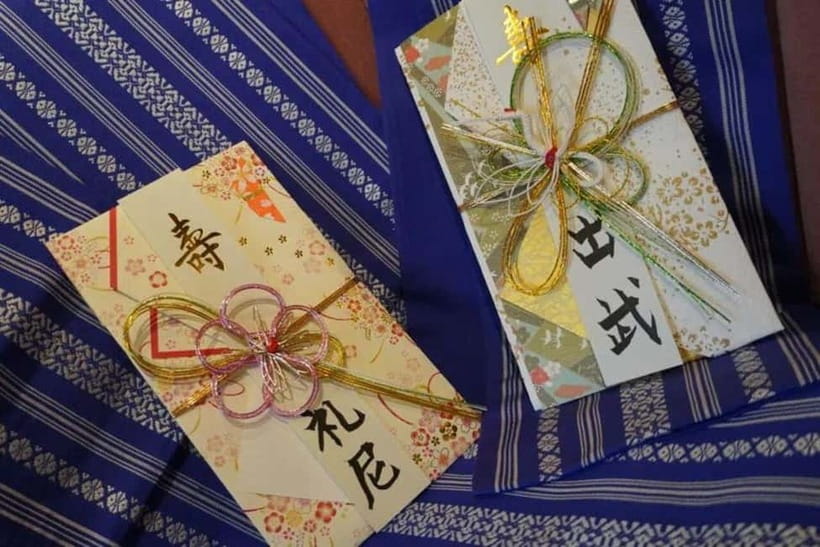
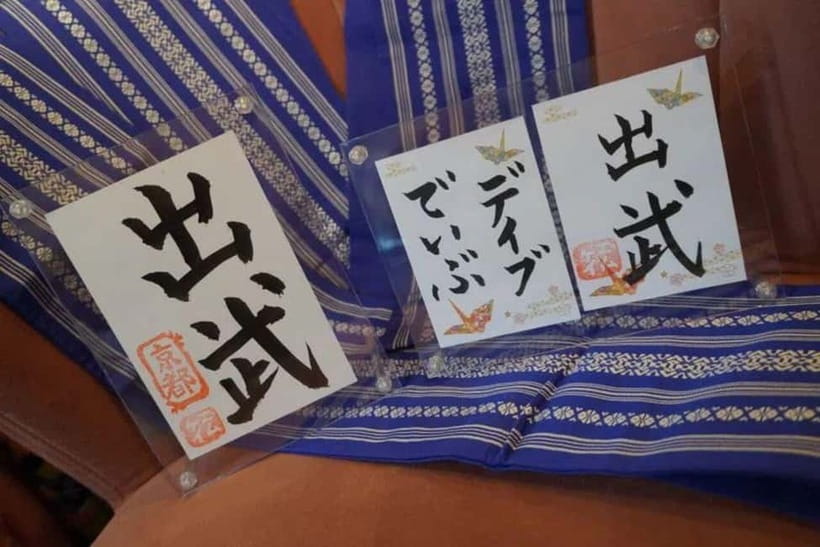
Instructors help you with possible kanji choices and their meanings. The class even uses example mapping to show how names can connect to characters. For instance, Brian can be shown with kanji like 武礼安, with notes on meanings such as martial and bravery, courtesy or politeness and gratitude, and peace. For Liz, the class uses an example like 梨図, linking梨 to pear and図 to a kind of painting or illustration.
You do not need to know kanji in advance. The support is there to keep you from guessing blindly. And several instructors are described as very supportive on stroke direction, with 1:1 help that corrects how you set each stroke.
If you care about the meaning side, this is also where you get a cultural angle without making it heavy. The teachers guide you through why the strokes matter, and how characters carry ideas, not just sounds.
If you do not care about memorizing kanji rules, you can still enjoy the practical craft. You get meaning coaching plus a finished piece, so your effort turns into a souvenir you can display.
Making Souvenirs You Can Actually Use, Not Just Paper Weights
Besides the scroll, you make additional items you can take home. The exact set can vary, but the class includes souvenir craft options such as a Japanese fan, a picture frame, and other small keepsake formats.
People often mention making practical items like a fan and postcard-style stationery, which is great value because you are not just taking home ink stains and empty time. These are objects you can use on the next trip or give to someone back home.
This also helps your brain separate the experience from shopping. You are creating something using the same brushwork you just learned. Even if your results are not perfect, they are still authentic, because they are made by your hand with direct instruction.
Practical tip: bring a bit of patience with yourself. Calligraphy rewards calm repetition. When you slow down and follow the brush guidance, your strokes look more intentional fast.
English Instruction That Keeps You Writing Instead of Worrying
English instruction is included, and that is what makes this class work for most visitors. When you can ask a question and get a clear answer, you stop worrying about whether your characters are wrong and start focusing on how to write them correctly.
The instruction style described across sessions is patient and encouraging. Teachers like Lana and Waka are highlighted for offering clear explanations about Japanese writing and related culture, along with supportive help to get the strokes right.
There is also a helpful rhythm to the class. You learn a concept, try it, get feedback, then move to the next step. That keeps you from getting stuck. It also explains why people say the hour flies by.
If you are nervous about handwriting or art skills, this format is a good match. You are not asked to freestyle. You are guided into the right stroke approach, then you practice.
Duration, Timing, and How to Fit This Into a Kyoto Day
The class runs about 1 hour, though it can vary slightly depending on how smoothly the activities are completed. In practice, you should treat it as a short but full experience, not a quick demo.
Because you meet near Kyoto Station, you can plan around trains and buses without building a huge time buffer. If you are already in that area, it becomes an easy anchor activity.
This is also a nice contrast to Kyoto sightseeing. Instead of sprinting between crowded stops, you slow down and create. One of the best side effects of calligraphy is the mental reset. The strokes ask for attention, not speed.
In other words, it can balance a day filled with temples, shrines, and photo stops. You get something tangible at the end, not just another memory card full of images.
Price and Value: Why $51 Works for an Hour of Real Craft
At $51 per person for about 1 hour, the value comes from what is included. You get:
- Brushes, ink, and washi-paper
- Instruction in English
- A finished scroll of the characters you write
- Additional souvenir items you can take home
That means you are paying for materials plus coaching, not just a lecture. If you have ever tried to buy calligraphy supplies later and figure out what to do with them, you know the hidden cost is learning how to use them. This class covers that learning in a single session.
You also get an English-first experience. For solo travelers and couples who want something cultural but structured, that language support is part of the price value.
Could you do this cheaper on your own? Maybe, if you already know what to buy and you are comfortable learning from scratch. But for most visitors, the time savings and guided results make $51 feel fair.
Who This Class Is Best For (and Who Should Skip It)
This is a good fit for beginners, because the steps start from basic brush technique and simple practice characters. It is also a good fit for people who want personal souvenirs with meaning, not generic postcards.
You might love it if you are the type who enjoys crafts, small cultural activities, and taking something home that you made yourself.
It is not suitable for children under 5 years. For young kids above that age, you might find it depends on attention span, since the class involves careful brush work.
If you dislike guided activities and prefer free-form wandering, this might feel a little structured. The class is built around instruction and corrections. You are there to learn a specific skill in a short timeframe.
Should You Book This Kyoto Japanese Calligraphy Class?
Book it if you want an easy Kyoto add-on with real results. Meeting in front of Kyoto Station is practical, the class is only about 1 hour, and you leave with a scroll plus take-home souvenir items. English instruction keeps you writing instead of guessing, and the teaching style described across sessions is patient and supportive, with help correcting stroke direction.
Skip it only if you want a long art experience or you expect to become advanced in one session. This is a beginner-friendly workshop focused on clarity, personal characters, and finishable take-home art.
If you are planning a Kyoto itinerary around station access, this is exactly the kind of activity that adds meaning without adding stress.
FAQ
Where is the meeting point for the Kyoto Japanese calligraphy class?
The location is in front of Kyoto station. The meeting point may vary depending on the option booked.
How long is the class?
The class duration is about 1 hour, though it may vary depending on completion of the activities.
Do I get instruction in English?
Yes. English instruction is included, and the instructor is listed as English.
What materials are included?
You get use of brushes, ink, and washi-paper, plus some items you can take as souvenirs (for example a Japanese fan and picture frame items are mentioned).
What do I get to take home?
You can take home your practice results, including a scroll made from the basic kanji characters you write. You also make your own souvenirs and can take them home.
Can I write my name and a favorite word?
Yes. You write your own name and your favorite word in kanji characters and alphabets, with staff assistance for possible kanji characters and their meanings.
Is it suitable for young children?
It is not suitable for children under 5 years. The class is described as being for private or small groups, but suitability for ages above that is not specified.
Made by Hand, and Yours to Keep
Newest Kyoto write-ups from the Loving Japan desk
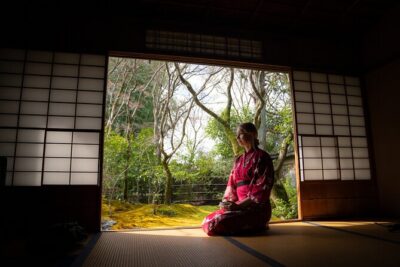
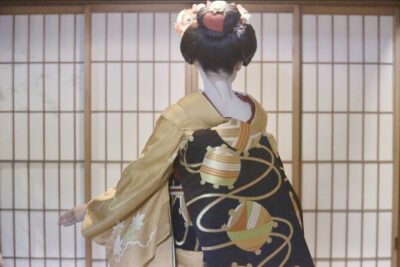

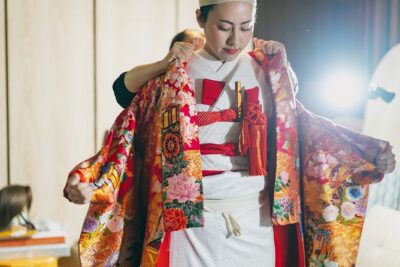
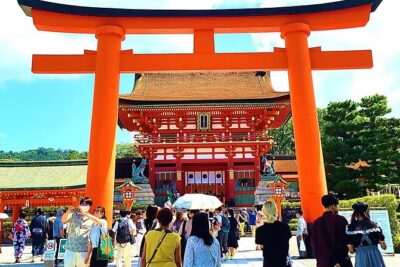
Japanese Craft and Calligraphy Workshops, side by side.
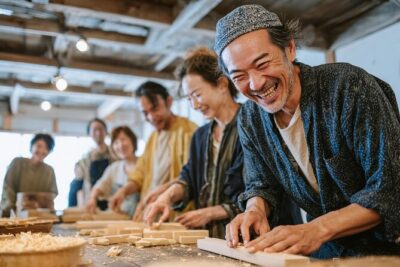 ★ 5.0Tokyo Shinjuku Chopsticks Making ClassFrom $201,763 reviews
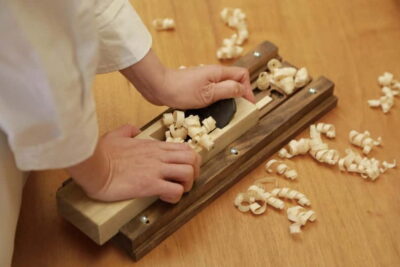 ★ 4.8Chopstick Making Workshop in GinzaFrom $251,366 reviews
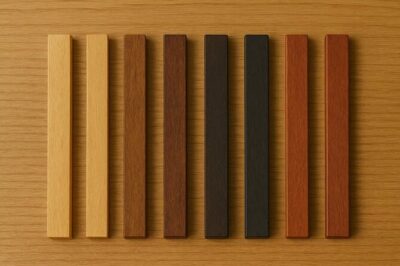 ★ 5.0Chopsticks Making Workshop in Gion with Engraving OptionFrom $15958 reviews
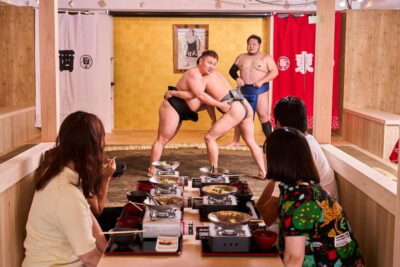 ★ 4.8Tokyo Sumo Experience: Chanko & Mochi with a Former ProFrom $103567 reviews
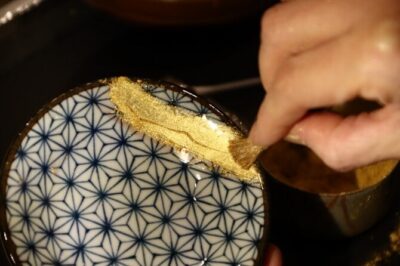 ★ 5.0Kintsugi Experience: Art of Golden Joinery in TokyoFrom $59467 reviews
 ★ 5.0Tokyo Chopstick Making Workshop with ArtisanFrom $26466 reviews
 ★ 4.9Matcha Making Experience with Mochi Sweets in AsakusaFrom $22388 reviews
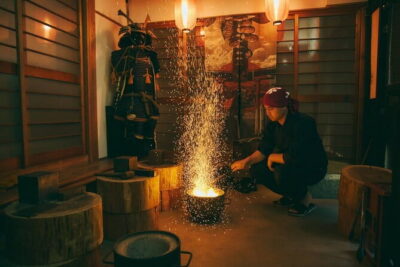 ★ 4.8Authentic knife making experience at a blacksmith in KyotoFrom $154350 reviews
Filed on these lists too