
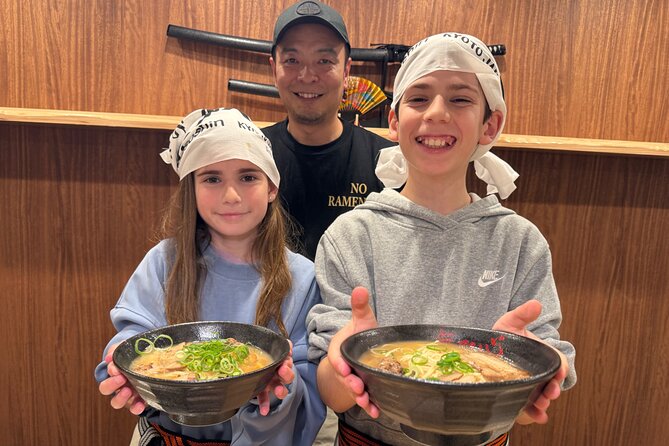
REVIEW · JAPANESE COOKING CLASSES
Kyoto Ramen Spoon Painting & Michelin Cooking Class
A ramen spoon you painted today, a finished souvenir soon after. This Kyoto class pairs hands-on craft with a real chef-led cooking session, all tied to ramen. You also get a short temple outing in the Higashiyama area before your kitchen time with Master Shin or Chef Amiru. The big win for me is the focus on method, not shortcuts. The tradeoff is that it is compact, so you will likely cook the components more than make every single noodle step from scratch.
What I like most is that you work inside Musoshin Ramen Academy, where the ingredient story is taken seriously. Noodles come from their shop every morning and rest overnight, and the soup takes 12 hours, so the class teaches how the parts fit together. One consideration: the spoon gets baked in a kiln overnight, so you should think of the spoon as a keepsake finished by the workshop, not something you rush to display immediately.
In This Review
- Key highlights worth your time
- Ramen spoon art meets chef-led cooking in Kyoto
- Meet Musoshin Ramen Academy, and why the ingredients are a big deal
- Temple time in Higashiyama, then straight to the kitchen
- Spoon painting: your souvenir, finished by kiln baking overnight
- Inside the professional kitchen: cook the ramen, not just watch it
- Who teaches: Master Shin and Chef Amiru energy
- The meal you eat at the end, plus what makes it feel special
- Price and time: is $65.89 worth it for a 1.5-hour class?
- Small group size: better questions, less waiting
- Practical tips so you enjoy every step
- Is this Kyoto ramen class right for you?
- Should you book the Kyōto Ramen Spoon Painting and Michelin-style cooking class?
- FAQ
- How long is the Kyoto Ramen Spoon Painting and Michelin Cooking Class?
- Is this a small-group experience?
- Where does the experience start?
- What do we do during the class?
- Will I have time to visit temples too?
- Is there a vegetarian option?
- Is the ramen spoon finished by baking, or is it just painted?
- What is the cancellation policy?
Key highlights worth your time
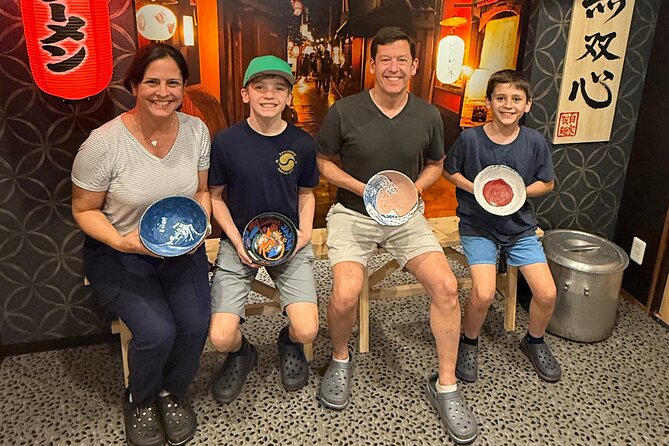
- Ramen spoon painting in Kyoto, then finished through kiln baking overnight
- Small-group size up to 12, so you can actually ask questions
- Musoshin Ramen kitchen method, with in-house noodles, 12-hour soup, and handmade soy sauce and roast pork
- You cook the ingredients brought in from the restaurant, not just watch
- At the end you eat what you made, with vegetarian or vegan options available
Cook it yourself instead. Other kitchens in Kyoto
- Sushi Making in Kyoto! Same-day bookings welcome!
★ 5.0 · 713 reviews - Kyoto: Ramen Cooking Class at a Ramen Factory with Souvenir
★ 4.9 · 532 reviews - Kyoto: Ramen, Gyoza, and Onigiri Cooking Class
★ 5.0 · 445 reviews - The Original Small-Group Sushi Making Class in Kyoto
★ 5.0 · 436 reviews
Ramen spoon art meets chef-led cooking in Kyoto
This experience is built like a satisfying one-two punch. First, you create a ramen spoon souvenir. Then you switch gears to cooking, where the chef explains ramen in pieces, not vague vibes.
The spoon part is not just a fun distraction. It sets the theme: ramen is craft work. You learn that a bowl is a system, noodles plus soup plus toppings plus timing. That framing makes the kitchen class feel more like education than entertainment.
You also get to work in a professional setting run by Musoshin Ramen Academy. That matters because ramen technique is practical. When someone shows you what to do and why, you leave with usable steps for your next bowl at home.
Meet Musoshin Ramen Academy, and why the ingredients are a big deal

Musoshin Ramen started in Kyoto in 2022, and it now has six restaurants across Kyoto and Toronto. Their Toronto location has been nominated for Michelin for three straight years, using the same recipe approach.
What I find smart here is how they talk about ingredients. They insist on making core components in-house, including noodles, soup, soy sauce, and roast pork. That is not just a marketing line. It explains why the class feels so method-driven.
Here are the specifics you’ll hear about:
- Noodles are made in their shop every morning, then allowed to sit overnight for the next day.
- The ramen soup is cooked for 12 hours.
- The ramen soy sauce and roast pork are handmade.
If you care about food quality, this is the kind of class that respects your appetite. You are not learning generic ramen. You are learning how a particular ramen shop thinks.
Temple time in Higashiyama, then straight to the kitchen
The activity starts with a temple circuit in the Higashiyama area. You will visit Kiyomizu-dera, then Kennin-ji, then Sanjusangendo. After that, the schedule brings you back to the meeting point area.
That ordering is practical. You get a bit of classic Kyoto in, without turning the day into a marathon. And because the cooking happens after, you are not stuck waiting for dinner all day like a hungry little monk.
The downside is also clear: with an overall duration of about 1 hour 30 minutes, the temple stops and cooking block are time-tight. Wear comfortable shoes, keep your phone ready for photos, and don’t plan to wander far during the stops.
A bowl somewhere else in Kyoto
- Kyoto Ramen and Gyoza Cooking Class with Professional Chefs★ 5.0 · 282 reviews
- Home style Ramen and Homemade Gyoza in Kyoto★ 5.0 · 152 reviews
- Kyoto Michelin Ramen Workshop or Painting Ramen Essentials★ 4.9 · 100 reviews
- Kyoto Ramen Noodle Making Class★ 5.0 · 58 reviews
- Ramen Gyoza Onigiri Japanese Cooking Class in Kyoto★ 5.0 · 44 reviews
Spoon painting: your souvenir, finished by kiln baking overnight
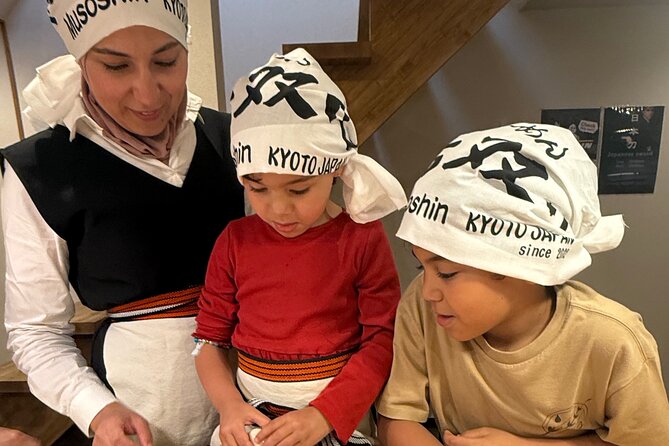
You paint a ramen spoon first. You’ll see how the restaurant turns your design into something you can keep, not just a temporary craft.
The key detail is the baking. Your painted spoon is baked in a kiln overnight. That means your spoon is a real ceramic piece that gets finished properly, even if you do not wait around for the kiln process yourself.
In the workshop, this tends to feel like an easy but satisfying start. One parent-friendly note from the experience style: the class is energetic and welcoming, and the spoon gives everyone a hands-on task right away. It is also photo-friendly, because everyone ends up with their own personalized ramen spoon.
Just keep in mind that the finished look depends on that baking step. So if you are the type who expects a perfectly fired ceramic on the spot, you may want to lower your expectations and treat it as a future souvenir.
Inside the professional kitchen: cook the ramen, not just watch it
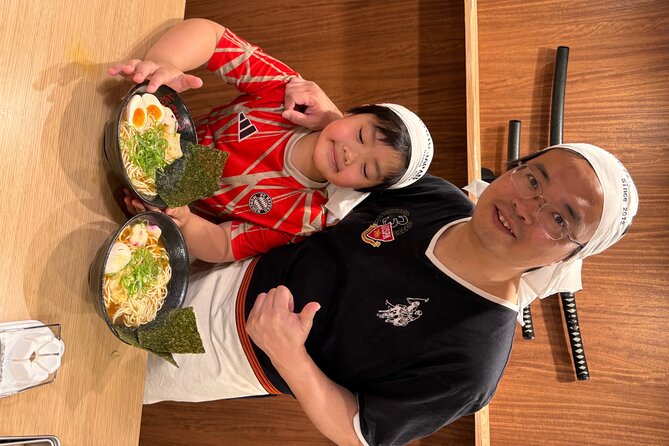
This is a hands-on class built around a simple promise: you cook. Musoshin brings the ingredients from the restaurant, then you help prepare the meal.
You’ll learn ramen skills from the chef in the professional kitchen. The instruction is step by step, with an emphasis on ramen components and the methodology behind how the final bowl comes together.
In practical terms, that means you learn:
- How ramen is assembled as parts, not one magical pot
- How the soup and seasonings work together
- How toppings and handling affect the end result
You also get the chance to cook multiple styles. Vegetarian and vegan options are available, and the kitchen can handle allergies well. That is a big deal for anyone who has dietary needs, because ramen can be tricky when you assume every bowl is pork broth by default.
A small tip for your learning: taste as you go, and ask what changes the flavor the most. If the chef mentions timing or proportions, write it down. In ramen, those details are the difference between good and repeatable.
Who teaches: Master Shin and Chef Amiru energy
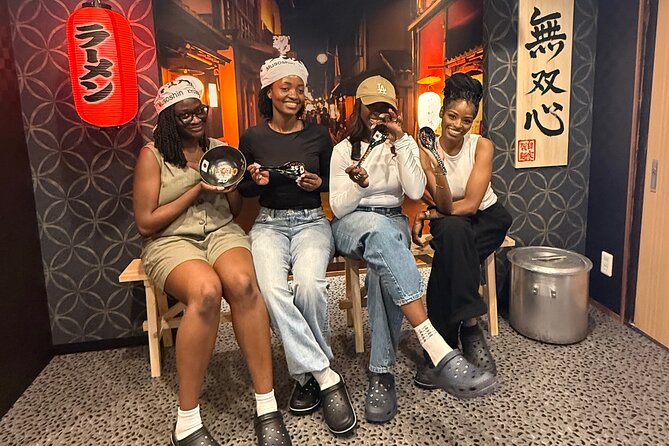
The class is run by people who actively work the ramen trade. You may be taught by Master Shin, the chef owner style described in the experience, and in some cases Chef Amiru.
The teaching vibe is part of the value. The chefs bring humor and clear energy, and they guide you while still letting you do the cooking. It is not a lecture with a cutting board at the end. It is more like a kitchen lesson where your hands matter.
For adults, that means you learn something real without feeling like you are in school. For families, it often works because the tasks are manageable, and the chef is patient.
The meal you eat at the end, plus what makes it feel special
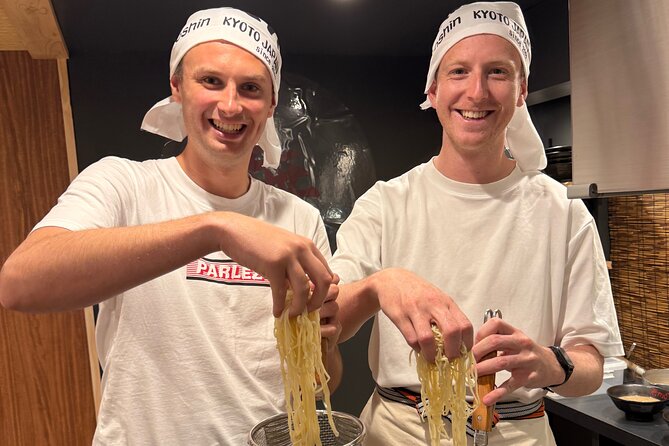
After the painting and cooking prep, you get to feast on the ramen you made. No hanging around hungry. That is a quiet win, because food classes that end with empty stomachs are just annoying.
The flavor promise is grounded in their ingredient timeline: noodles made fresh in the morning and resting overnight, plus a long 12-hour soup. That kind of process tends to show up in depth and consistency, the stuff you can’t fake with quick shortcuts.
You also get to taste vegetarian or vegan choices. So if your group is mixed, you are not stuck with one person eating something totally different.
And because you assemble the bowl yourself, the taste tends to feel deeper. You are not just eating ramen. You are eating ramen you helped build, which makes the method stick in your brain.
Price and time: is $65.89 worth it for a 1.5-hour class?
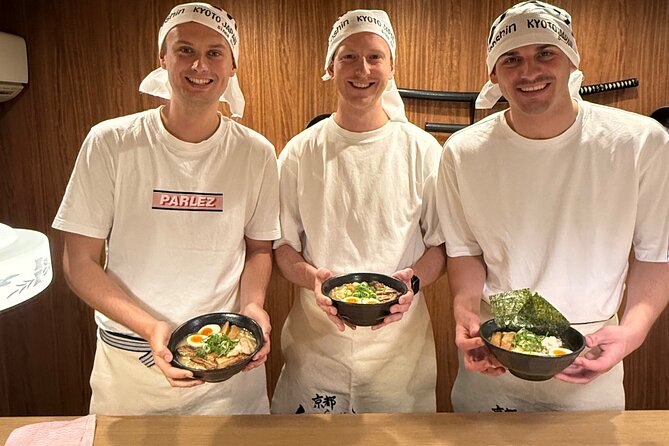
At $65.89 per person for about 1 hour 30 minutes, the price looks moderate, but you should judge value by what you actually get.
You are paying for:
- A chef-led cooking class in a professional kitchen
- In-house ingredient handling, with an explicit ramen methodology
- A keepsake activity through ramen spoon painting
- A full meal at the end
Many food classes give you a story, a snack, or a demonstration. This one is both craft and cook, with the workshop connected to a ramen restaurant. That dual focus tends to justify the cost if you like hands-on learning and ramen more than just sightseeing.
The time is the main constraint. With a compact schedule, you do not get a slow, leisurely food day. If you want a relaxed, all-afternoon experience, this may feel a bit quick.
Small group size: better questions, less waiting
The tour is capped at a maximum of 12 travelers. That matters more than it sounds.
In a class like this, you need time for:
- Instruction and checking your work
- Cooking steps that can go wrong if you miss one detail
- Questions about ramen technique, soup, and assembly
A small group helps you avoid the classic problem where you watch three hands move while you wait to do your own step. With 12 people or fewer, the chef and assistant can actually keep track of what you are doing.
This also makes the experience feel friendlier. You are not shouting across a crowd while trying to learn ramen.
Practical tips so you enjoy every step
Here are the practical things I would do to make the class smoother.
First, plan your day so you are not rushed. With mobile tickets and a meeting point at 440-5 Nishigomonchō, Higashiyama Ward, you want to arrive with enough buffer to settle in. Being late is especially stressful during a cooking timeline.
Second, dress for movement. You are going to Kyoto temples before the cooking. That does not mean you need hiking gear, but it does mean you should expect walking.
Third, take notes on what changes the flavor. When the chef mentions soup components, saltiness balance, or how noodles are handled, those are your home-cooking keys. The class is not only about eating right now. It is about giving you a mental recipe you can reuse.
Finally, if you have dietary needs, bring them up clearly. Vegetarian and vegan options exist, and allergies can be handled. Still, be direct about what you cannot eat so they can guide you correctly.
Is this Kyoto ramen class right for you?
This experience is a great match if:
- You love ramen and want the method behind the bowl
- You want a souvenir you made, not a store-bought trinket
- You like learning from a chef who runs a real ramen operation
- Your group includes at least one person who wants vegetarian or vegan options
It may not be the best match if:
- You want a very long cooking session where you make everything from scratch, including noodles
- You hate schedules that move quickly, since the total duration is about 1 hour 30 minutes
- You expect to take home the fully finished ceramic spoon the exact moment you paint it, since the spoon is baked overnight
Should you book the Kyōto Ramen Spoon Painting and Michelin-style cooking class?
I’d book it if you want Kyoto that is hands-on and food-centered, without losing the classic temple hit. The combo is the whole point: craft work plus professional kitchen technique plus a meal you assemble yourself.
If you care about value, this is also a fair deal. You are paying for more than tasting. You are paying for method, ingredients, and a finished keepsake built through a real process.
If you are the type who thinks ramen is just ramen, you might walk away surprised by how many parts matter. If you already love ramen, you will enjoy the deeper structure.
Go hungry, bring a pen for quick notes, and treat the spoon painting as the warm-up to learning how the bowl is built. Then, when you eat, it will taste like more than dinner. It will taste like a system you now understand.
FAQ
How long is the Kyoto Ramen Spoon Painting and Michelin Cooking Class?
The class lasts about 1 hour 30 minutes.
Is this a small-group experience?
Yes. The maximum group size is 12 travelers.
Where does the experience start?
You meet at 440-5 Nishigomonchō, Higashiyama Ward, Kyoto, 605-0816, Japan.
What do we do during the class?
You start by painting your own ramen spoon, then you participate in a hands-on cooking session in a professional kitchen, and you eat the ramen you helped make at the end.
Will I have time to visit temples too?
Yes. The experience includes temple visits to Kiyomizu-dera, Kennin-ji, and Sanjusangendo.
Is there a vegetarian option?
Yes. Vegetarian and vegan options are available.
Is the ramen spoon finished by baking, or is it just painted?
Your painted ceramic ramen spoon is baked in a kiln overnight.
What is the cancellation policy?
You can cancel for a full refund if you cancel up to 24 hours in advance. If you cancel less than 24 hours before the start time, the amount you paid is not refunded.
One More Bowl
Kitchens You Can Book Into
Newest Kyoto write-ups from the Loving Japan desk




Japanese Cooking Classes, side by side.
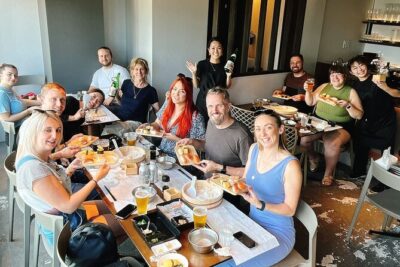 ★ 5.0Sushi Making Tokyo Roll and Authentic Japanese Sushi ClassFrom $593,971 reviews
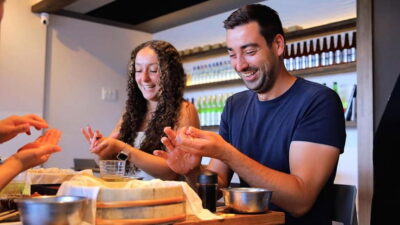 ★ 4.9Roll and Authentic Sushi Making Class in AsakusaFrom $581,957 reviews
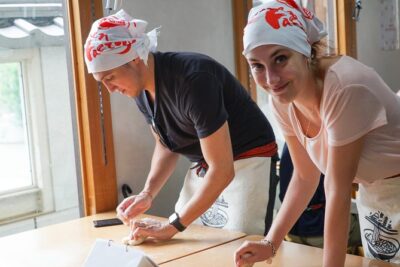 ★ 5.0Ramen Cooking Class at Ramen Factory in KyotoFrom $1311,937 reviews
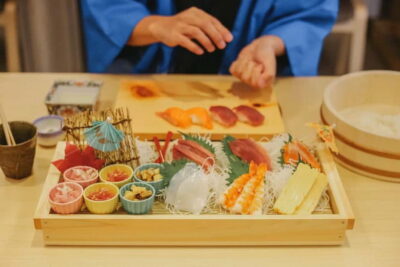 ★ 4.9Sushi Making Class in a Happi Coat near a Famous SpotFrom $421,377 reviews
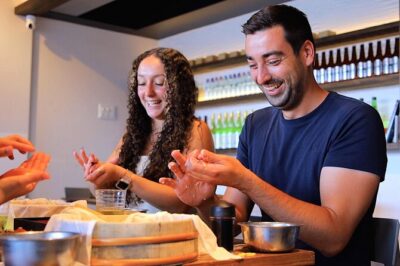 ★ 5.0Sushi Making Osaka Roll and Authentic Japanese Sushi ClassFrom $311,220 reviews
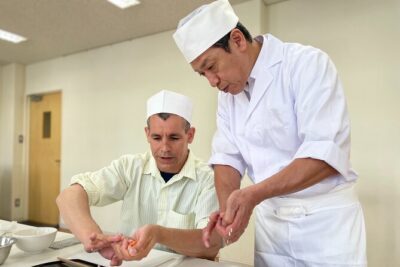 ★ 5.0Tokyo Sushi Making Class in Tsukiji with Professional ChefFrom $491,177 reviews
 ★ 5.0Ramen & Gyoza Cooking Class in Tokyo with Local Supermarket VisitFrom $122823 reviews
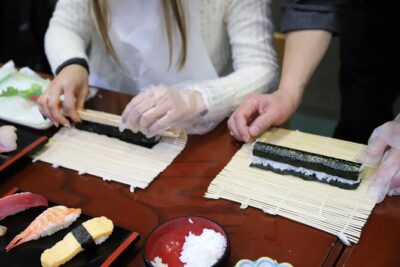 ★ 5.0Tsukiji Fish Market Guided Tour and Sushi Making with Pro ChefFrom $104775 reviews
Filed on these lists too