
REVIEW · JAPANESE COOKING CLASSES
Ramen Gyoza Onigiri Japanese Cooking Class in Kyoto
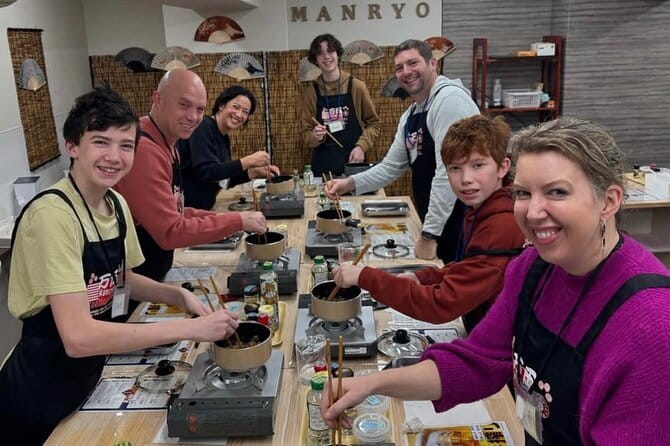
Want ramen magic in 90 minutes? In this Kyoto class, you learn ramen broth techniques plus how to wrap gyoza and shape onigiri, then you get to eat it all. I especially like the small group setup, which makes it easy to get answers, and the fact that Chef Nori and his team keep things friendly and easy to follow. The main drawback to note up front is the diet policy: it is regular or vegetarian (pork replaced with tofu), and they cannot accommodate vegan, gluten-free, or other special diets.
You will focus on broth, not noodles, so you leave with a soup you can actually recreate at home, plus the dumpling and rice ball skills that make the meal feel complete. The class runs about 1 hour 30 minutes, and you end by eating lunch made from what you cooked, which is why you should arrive hungry and ready to work.
There is also a vegetarian option with a simple swap: tofu replaces pork while other ingredients stay the same. I like that the class is built to help you finish each step, taste the results, and walk away with recipes, not just kitchen watching time.
In This Review
- Key things to love about this Kyoto cooking class
- Kyoto cooking class built for ramen lovers and dumpling fans
- What you make: ramen broth, gyoza, and onigiri (and what you skip)
- Ramen broth technique
- Gyoza wrapping
- Onigiri shaping
- Entering Manryo Japanese Cooking Class in Kyoto (and why location matters)
- How the ramen broth lesson actually helps you cook at home
- Gyoza wrapping and onigiri shaping, taught like real skills
- Vegetarian menu option: tofu swap without extra complications
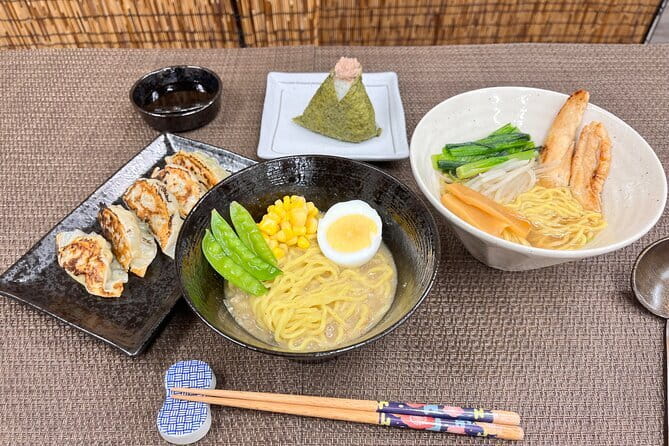
- Eating what you cooked: lunch that makes the class feel worth it
- Price and value: is $92.47 fair for Kyoto?
- Who should book this class (and who should skip it)
- Should you book this Kyoto ramen, gyoza, onigiri class?
- FAQ
- What dishes will I learn to make?
- Do you make ramen noodles in this class?
- Is a vegetarian menu available?
- What dietary restrictions can you accommodate?
- How long is the cooking class?
- How many people are in the group?
- Is lunch included?
- Can I cancel for a full refund?
Key things to love about this Kyoto cooking class
- Ramen broth focus: you learn the soup technique, not just toppings or assembly
- Hands-on gyoza + onigiri: wrapping and shaping you can repeat at home
- Small group access: max 8 people means you get attention while cooking
- Lunch included: you eat what you make at the end
- Vegetarian menu option: tofu replaces pork, other ingredients stay the same
Cook it yourself instead. Other kitchens in Kyoto
- Sushi Making in Kyoto! Same-day bookings welcome!
★ 5.0 · 713 reviews - Kyoto: Ramen Cooking Class at a Ramen Factory with Souvenir
★ 4.9 · 532 reviews - Kyoto: Ramen, Gyoza, and Onigiri Cooking Class
★ 5.0 · 445 reviews - The Original Small-Group Sushi Making Class in Kyoto
★ 5.0 · 436 reviews
Kyoto cooking class built for ramen lovers and dumpling fans
If you like Japanese food but hate the idea of doing it “sometime later,” this is a smart shortcut. In a single 1 hour 30 minutes session, you practice three classics: ramen broth, gyoza, and onigiri. That combo matters because ramen is more than noodles, gyoza are more than dumplings, and onigiri are more than rice balls. Each one teaches a different skill that makes your next home meal feel intentional.
I also like the pacing. The class is designed for you to cook, not just admire. You work through key steps, then you sit down and eat everything you made. It is the kind of format that makes a cooking class worth your time, even if you are not a confident cook.
One more thing: English-speaking instruction. Chef Nori runs the show, and the helpers support throughout. Based on how the class is described, the teaching style is clear, with a bit of humor, and enough guidance to keep you moving even if you are new to Japanese cooking.
What you make: ramen broth, gyoza, and onigiri (and what you skip)
Let me clear up the big expectation check first. This class teaches ramen broth, but you do not make the noodles. It is explicitly a soup-focused session, because noodles are easy to find at home while broth is the hard part. That is a great trade. If you take nothing else home, you take the method for building a broth you can recreate.
Here is the flow you should expect to feel during the lesson:
Ramen broth technique
You work on the broth side of ramen, using ingredients and seasonings that you can prepare at home. The goal is not just taste, but technique, so the flavor comes from how the broth is built. You also get a short ramen context before you start cooking, which helps you understand what you are aiming for while you work.
In practice, the class includes making two types of ramen broth during the session. That gives you more variety than a single broth, and it helps you compare flavor profiles instead of memorizing one recipe only.
A bowl somewhere else in Kyoto
- Kyoto Ramen and Gyoza Cooking Class with Professional Chefs★ 5.0 · 282 reviews
- Home style Ramen and Homemade Gyoza in Kyoto★ 5.0 · 152 reviews
- Kyoto Michelin Ramen Workshop or Painting Ramen Essentials★ 4.9 · 100 reviews
- Kyoto Ramen Noodle Making Class★ 5.0 · 58 reviews
- Ramen Gyoza Onigiri Japanese Cooking Class in Kyoto★ 5.0 · 44 reviews
Gyoza wrapping
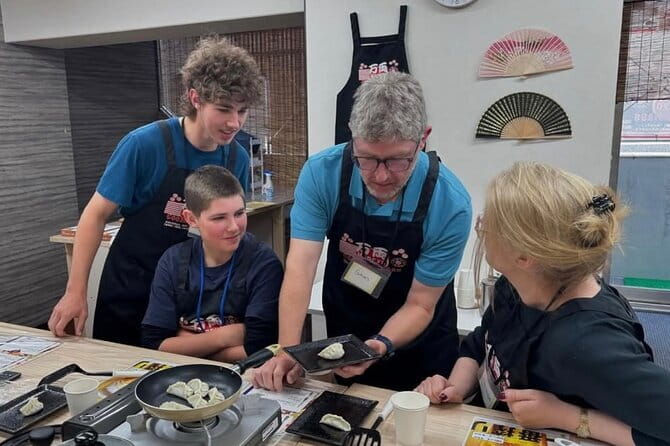
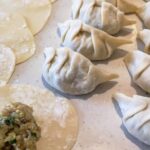
Next comes the gyoza. This is where you get hands-on with the wrapping technique. It is also one of the fastest ways to learn a Japanese cooking skill you can repeat later, because you will understand the feel of the wrapper and how to shape it so it stays together.
The regular menu includes pork gyoza. The vegetarian menu is the same gyoza format, with tofu replacing pork.
Onigiri shaping
Finally, you master onigiri. This part is surprisingly satisfying because onigiri are basically a skill test: you need the right shaping so it looks good and holds together. You will learn the wrapping or shaping technique that turns plain rice into the kind of snack you see packed for travel and school.
Then you eat. Not later. Not only pictures. Everything you make ends up on the table for lunch.
Entering Manryo Japanese Cooking Class in Kyoto (and why location matters)
The class meets at Manryo Japanese Cooking Class in Sakyo Ward, Chōshōji Monzenchō, inside the 8 4 1 Life Building B1. The activity ends back at the meeting point, so you do not need to worry about a long commute after cooking.
Two practical advantages stand out:
1) It is near public transportation, so you can plan without a car or complicated transfers.
2) It is a maximum of 8 travelers, which keeps the room comfortable and helps instructors reach you quickly when your gyoza or onigiri need a quick fix.
You also receive a mobile ticket, which is convenient if you are already living out of your phone during your Kyoto days.
How the ramen broth lesson actually helps you cook at home
Ramen gets confusing fast when you only think about toppings. This class intentionally starts with broth because that is the piece most people cannot reliably recreate from memory. The lesson focuses on ingredients and seasonings you can prepare at home, so you are not stuck needing special products you will never buy again.
What I like about this approach is that it changes your home cooking habits. After you learn how broth is built, you start understanding how flavor layers work: how savory depth develops, how seasonings guide the overall direction, and how you can adjust toward the taste you want.
Also, learning two types of ramen broth in one session is a big plus for realism. It gives you options for different moods at home. One broth might feel more comforting, another more direct or flavorful in a different way. Even if you never make them exactly the same again, you will know what to aim for.
One more thing that helps: because the class skips noodles, you can focus fully on soup technique. When a cooking class tries to do everything at once, you often end up distracted. Here, the “hard part” is the broth.
Gyoza wrapping and onigiri shaping, taught like real skills
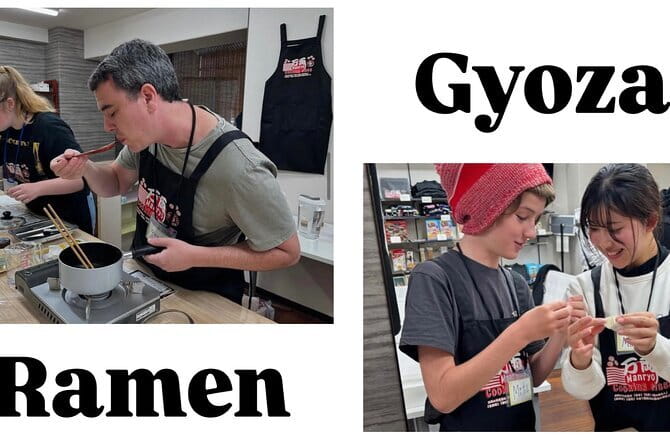
The dumpling part of cooking classes can feel intimidating until someone breaks it down into doable steps. Here, gyoza is taught with the wrapping technique directly. You do not just watch. You practice until your own dumplings look right enough to cook and eat.
I like that the class includes the kind of guidance that matters for texture and shape. Gyoza are not just about stuffing. The wrapper needs to be handled in a way that holds together, and the folding needs to be consistent enough that the result is something you would serve at a meal.
Then you move into onigiri, and that changes the focus from “fold and seal” to “shape and compress.” Onigiri are your confidence builder. They look impressive even when you are still learning, because the visual payoff comes from the final form.
If you care about taking home a skill, not just a recipe, this is the best part. You walk away with muscle memory for how to wrap gyoza and shape onigiri so you can make a quick Japanese-style meal for friends, not just yourself.
Vegetarian menu option: tofu swap without extra complications
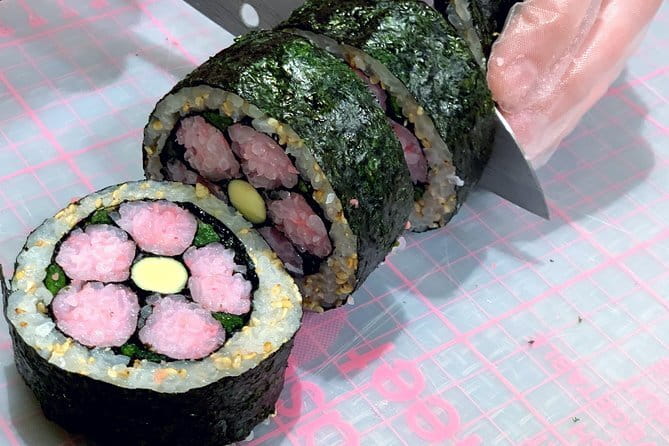
If you are booking as a vegetarian, this matters. The class offers only two menu options: Regular Menu and Vegetarian Menu. In the vegetarian version, pork is replaced with tofu, while other ingredients remain the same.
That is straightforward, which is good for planning. What you should do is check your comfort level with tofu replacing pork and confirm you are okay with the rest of the ingredient set staying unchanged. The class cannot accommodate vegan, pescatarian, gluten-free, halal, kosher, or other special diets.
In other words, this vegetarian option is helpful, but it is not a broad allergy-friendly or dietary-restriction program. If you have a serious dietary need, you will want to think twice before booking.
Eating what you cooked: lunch that makes the class feel worth it
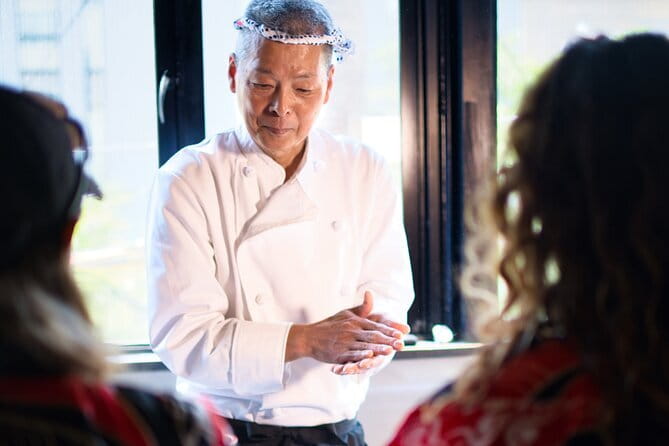
A cooking class lives or dies by the final meal, and this one is built around the “feast at the end” idea. After cooking ramen broth, gyoza, and onigiri, you enjoy what you made for lunch.
From the way the class is run, the result is not a tiny tasting portion. There is a lot of food at the end, and the teaching team encourages you to come hungry. That is more than a cute suggestion. It affects your enjoyment. When you know you will eat the full output, you cook with better focus and you feel satisfied at the finish.
I also like that the environment is described as clean with proper cooking tools. That matters in a short class, because you want less stress while you are learning.
And yes, there are recipes provided. That is the real travel souvenir, because you can recreate at home, and the lesson becomes more than a one-day memory.
Price and value: is $92.47 fair for Kyoto?
At $92.47 per person, this is not a budget activity. But for a 1 hour 30 minutes class that includes instruction plus lunch made from what you cooked, it lands in a sensible value zone for Kyoto.
Here is where the value comes from:
- Three dish categories in one session: ramen broth, gyoza, onigiri
- Hands-on teaching in a small group (max 8), which justifies the instructor time
- Lunch included, so you are not paying extra to get fed afterward
- Broth-focused learning that targets the hardest part of ramen to recreate at home
Also, the class does not include private transportation, so you will want to plan your arrival and departure using public transit. If you already plan to be in the area, the lack of transportation cost helps the math.
I would call it a good value if your goal is skills plus a meal. If your goal is only eating ramen, you can probably find cheaper food. But if you want a home-cooking boost, the price starts to feel more reasonable.
Who should book this class (and who should skip it)
This cooking class is a strong fit if you:
- Want a practical ramen experience focused on broth
- Like hands-on learning, especially wrapping and shaping foods
- Prefer small groups where instructors can correct your technique
- Want a full meal included, not just a tasting
It is a weaker fit if you:
- Need vegan, gluten-free, or other specialized dietary accommodations
- Are looking to actually cook ramen noodles in-class (this class teaches broth only)
- Are traveling with kids under 13 years old, since the class cannot accommodate under 13
If you are a confident home cook, you may finish quickly, but you will still likely appreciate the structured technique and the ramen-broth focus. If you are a total beginner, the step-by-step approach and small group size are the safety net.
Should you book this Kyoto ramen, gyoza, onigiri class?
Book it if you want a compact, high-output cooking day that teaches skills you can repeat at home. I like that it is structured around the ramen piece most people struggle with, plus the gyoza and onigiri techniques that turn rice and dumplings into something you can present with pride.
Skip it if your dietary needs are complicated or you were hoping to make ramen noodles during the class. Also, if you know you hate time pressure, remember this is a 1 hour 30 minutes session that covers a lot of steps. Come with an open mind, eat beforehand if you can, and plan to focus.
FAQ
What dishes will I learn to make?
You will learn how to make ramen broth, gyoza, and onigiri.
Do you make ramen noodles in this class?
No. The class teaches how to prepare the broth. Noodles are not made in the class.
Is a vegetarian menu available?
Yes. There are only two menu options: Regular Menu and Vegetarian Menu. In the vegetarian menu, pork is replaced with tofu.
What dietary restrictions can you accommodate?
The class cannot accommodate vegan, pescatarian, gluten-free, halal, kosher, or other special diets beyond the regular and vegetarian menus.
How long is the cooking class?
It lasts about 1 hour 30 minutes.
How many people are in the group?
The class has a maximum of 8 travelers.
Is lunch included?
Yes. After cooking, you will enjoy what you made.
Can I cancel for a full refund?
Yes, you can cancel up to 24 hours in advance for a full refund. If you cancel less than 24 hours before the start time, the amount you paid will not be refunded.
One More Bowl
Kitchens You Can Book Into
Newest Kyoto write-ups from the Loving Japan desk



Japanese Cooking Classes, side by side.
 ★ 5.0Sushi Making Tokyo Roll and Authentic Japanese Sushi ClassFrom $593,971 reviews
 ★ 4.9Roll and Authentic Sushi Making Class in AsakusaFrom $581,957 reviews
 ★ 5.0Ramen Cooking Class at Ramen Factory in KyotoFrom $1311,937 reviews
 ★ 4.9Sushi Making Class in a Happi Coat near a Famous SpotFrom $421,377 reviews
 ★ 5.0Sushi Making Osaka Roll and Authentic Japanese Sushi ClassFrom $311,220 reviews
 ★ 5.0Tokyo Sushi Making Class in Tsukiji with Professional ChefFrom $491,177 reviews
 ★ 5.0Ramen & Gyoza Cooking Class in Tokyo with Local Supermarket VisitFrom $122823 reviews
 ★ 5.0Tsukiji Fish Market Guided Tour and Sushi Making with Pro ChefFrom $104775 reviews
Filed on these lists too