
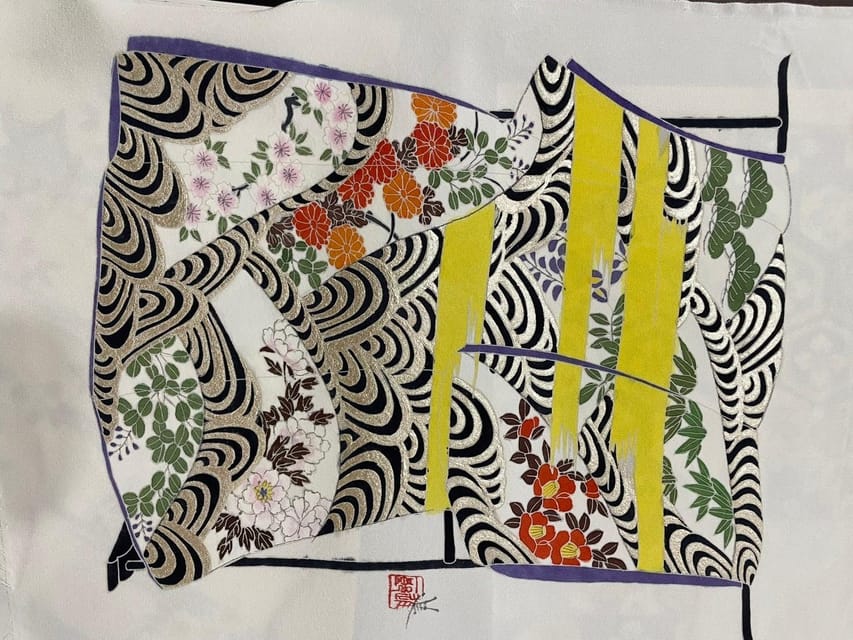
REVIEW · JAPANESE CRAFT AND CALLIGRAPHY WORKSHOPS
Kyoto: Traditional Yuzen Dyeing Experience
Yuzen dyeing in Kyoto feels oddly calming. You do the work inside a real machiya townhouse in Nishijin, guided by an artisan, with colors gradually blooming on silk.
I especially like the color coaching. The artisan helps you choose one to two colors you love, then balances the rest so the final piece looks harmonious, not random.
One thing to consider: you need to be comfortable getting dye on your clothes, and the process may involve chemicals. I’d also plan to sit on the floor for part of the class.
In This Review
- Key highlights
- Why Yuzen dyeing in a Kyoto machiya feels different
- Finding the Nishijin machiya and meeting your Yuzen master
- Choosing your colors: how palette decisions shape the final art
- Painting silk: the hands-on rhythm of Kyoto Yuzen
- The calm pace, plus what to do if timing runs long
- What you take home, and how to make it last
- Price and value: what $161 gets you in real craft time
- Who should book Kyoto Yuzen dyeing, and who should skip it
- Final verdict: should you book this Yuzen class?
- FAQ
- How long is the Kyoto Yuzen dyeing experience?
- Where does the class take place?
- Is this a small group class?
- What languages are offered during the class?
- Do I need to bring anything?
- Is wheelchair access available?
- Is the class suitable for kids?
- Are alcohol or drugs allowed?
- What if I have allergies or sensitivities?
- Can I get a refund if I cancel?
Key highlights
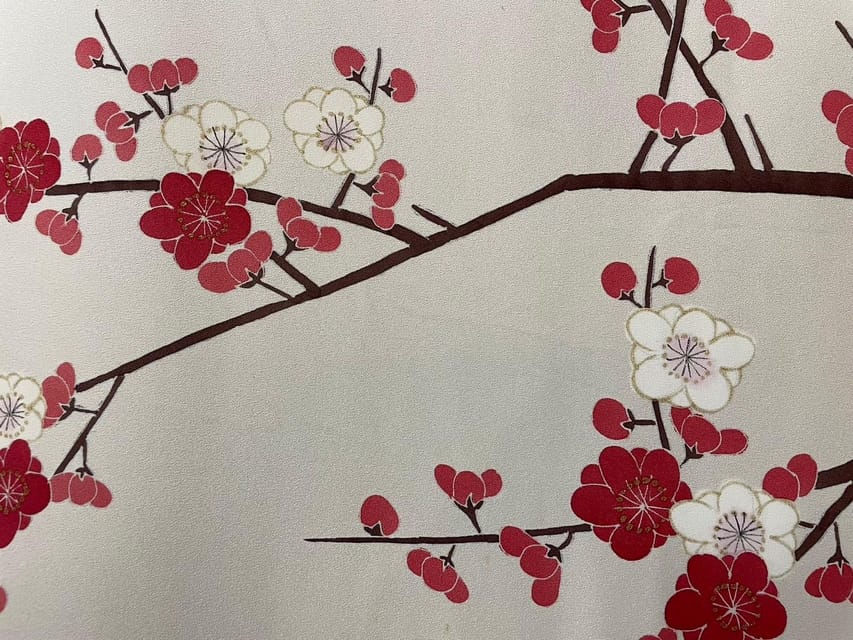
- Small group size (up to 6) for real attention and an unrushed feel
- Artisan-led instruction in an artisan home in Kyoto’s Nishijin district
- Interpreter support (English and Chinese) so you can actually follow the steps
- Choose your own colors, with the master advising palette balance
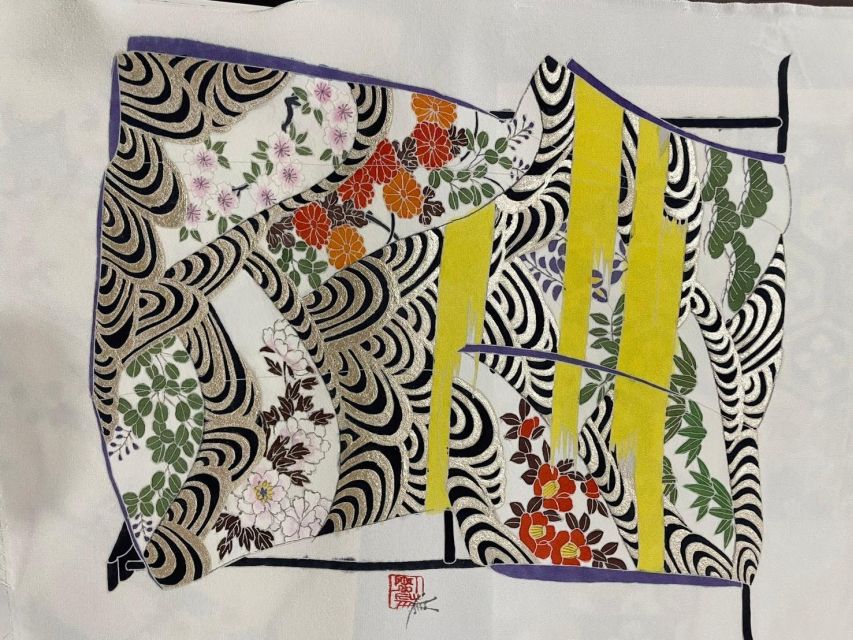
- Pre-sketched silk designs with gold outlines, then paint within the lines
- Take home your finished Yuzen-dyed silk piece as a meaningful souvenir
Make something to take home. Other workshops
- Kyoto : Chopsticks Making Workshop in Gion with Engraving Option
★ 5.0 · 958 reviews - Authentic knife making experience at a blacksmith in Kyoto
★ 4.8 · 350 reviews - Kyoto: Calligraphy class at Buddhist temple in city center
★ 5.0 · 167 reviews - Roketsu dyeing experience: M course Roketsu Dyeing Experience
★ 5.0 · 163 reviews
Why Yuzen dyeing in a Kyoto machiya feels different
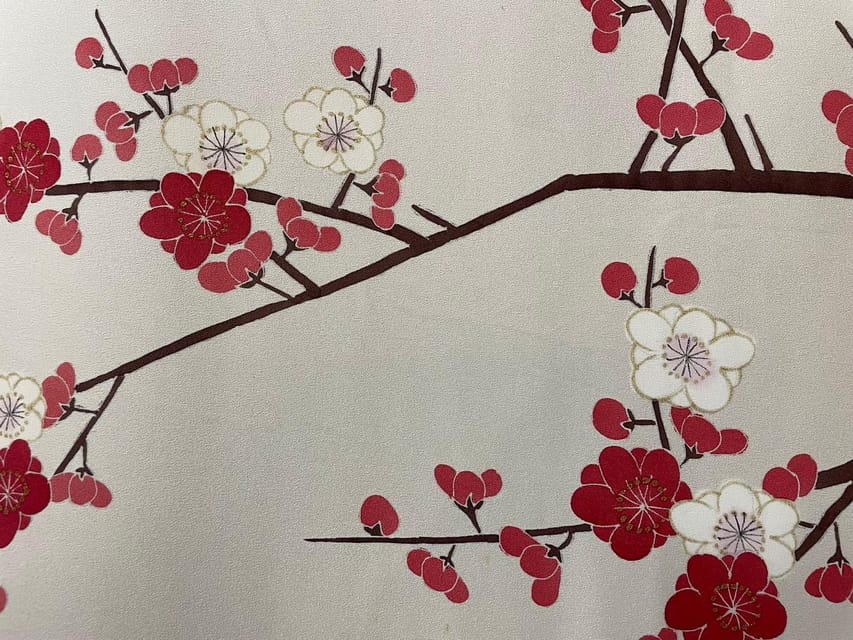
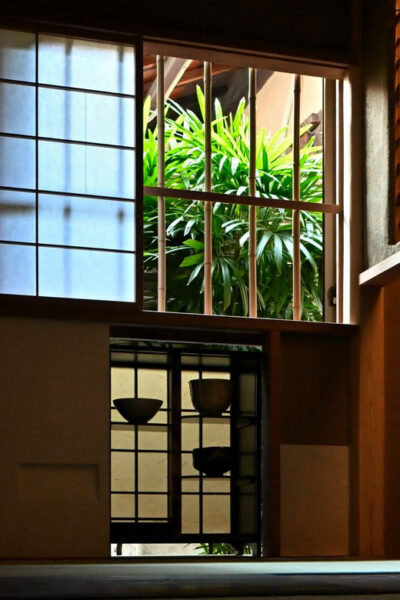
Kyoto has classes everywhere, but Yuzen dyeing in a private residence has a quiet gravity. You are not just watching craft, you are working inside the same kind of home where the artisan practices and displays work.
The biggest reason to do this is the atmosphere. The machiya setting slows you down, and the work itself is precise but not stressful, especially once the basics click.
Two other details I like: you get guided support all the way through, and you leave with something you actually made, not a generic postcard-style souvenir.
Finding the Nishijin machiya and meeting your Yuzen master
This experience takes place in Kyoto’s historic Nishijin district, inside a traditional machiya. It’s held in the artisan’s own home studio, so you get a more personal sense of how Yuzen dyeing fits into daily practice.
You’ll start with an introduction to Kyoto Yuzen and why it matters in Japanese culture. From there, the session is very practical, not just lecture time. You’ll also see a display of Kyoto Yuzen works as reference, which helps you understand what “good balance” looks like in real examples.
The instruction is led by the artisan, with an interpreter available in English and Chinese. In reviews, the interpreter role really comes through, including help with translating what the artisan is doing and taking pictures so you don’t have to rely on strangers.
Choosing your colors: how palette decisions shape the final art
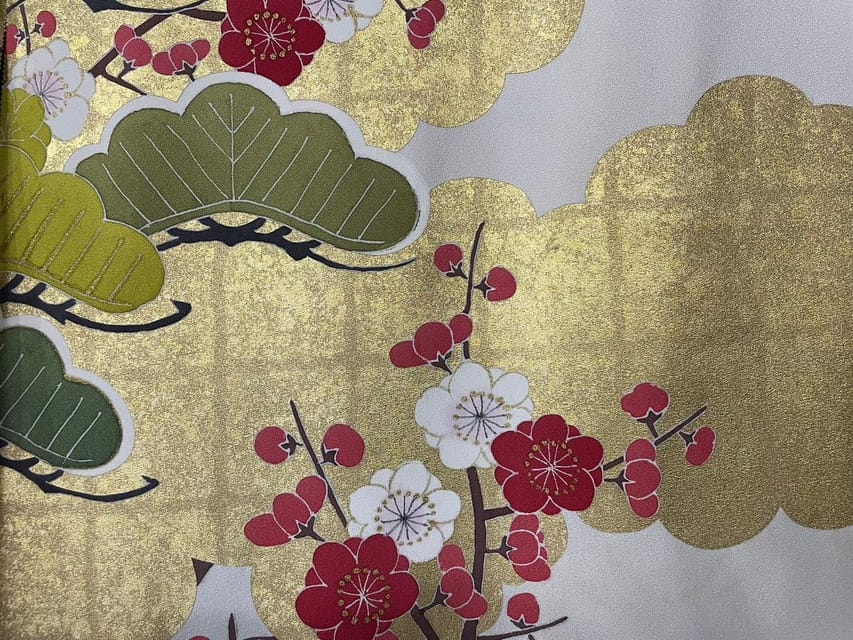
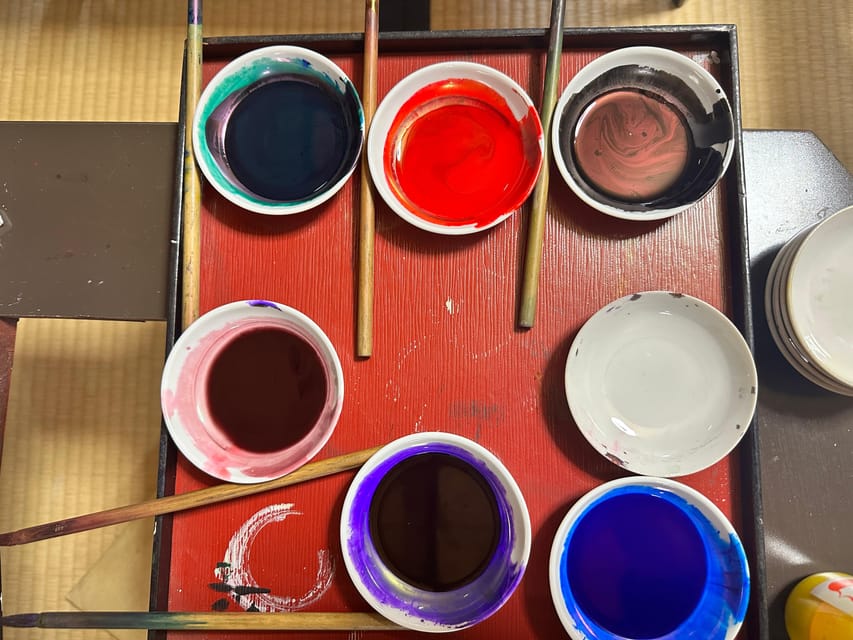
Here’s where the class becomes more than a simple paint-by-number. You choose one or two colors that appeal to you, and then the artisan selects and mixes the rest so everything fits together.
I like this approach because it gives you control without making the outcome totally dependent on your beginner instincts. One review described how the master adjusts paint and water concentration to land on the exact tone he says you’ll get, which is a big deal when you’re working with dyes that can shift as they settle.
Expect real guidance, not vague encouragement. You’ll see examples, the artisan will make suggestions for harmony, and then colors get mixed right there so you can understand the logic of the palette.
In one class setup, the designs offered included options like phoenix motifs, with variations such as a phoenix in front of a crescent moon. Other designs referenced by participants included cranes or fans, so you may have multiple directions to choose from depending on what’s available that day.
- PERFECT KYOTO 1-Day Bus Tour★ 5.0 · 13,518 reviews
- Kyoto: Fushimi Inari, Kinkakuji, Bamboo Grove 1 Day Bus Tour★ 4.8 · 4,316 reviews
- Kyoto: Tea Ceremony in a Traditional Tea House in Kiyomizu★ 4.9 · 3,519 reviews
- Kyoto Geisha Walking Tour: Gion District & Hidden Gems★ 4.7 · 3,273 reviews
- Kyoto: Tea Ceremony Ju-An at Jotokuji Temple★ 4.9 · 3,207 reviews
Painting silk: the hands-on rhythm of Kyoto Yuzen
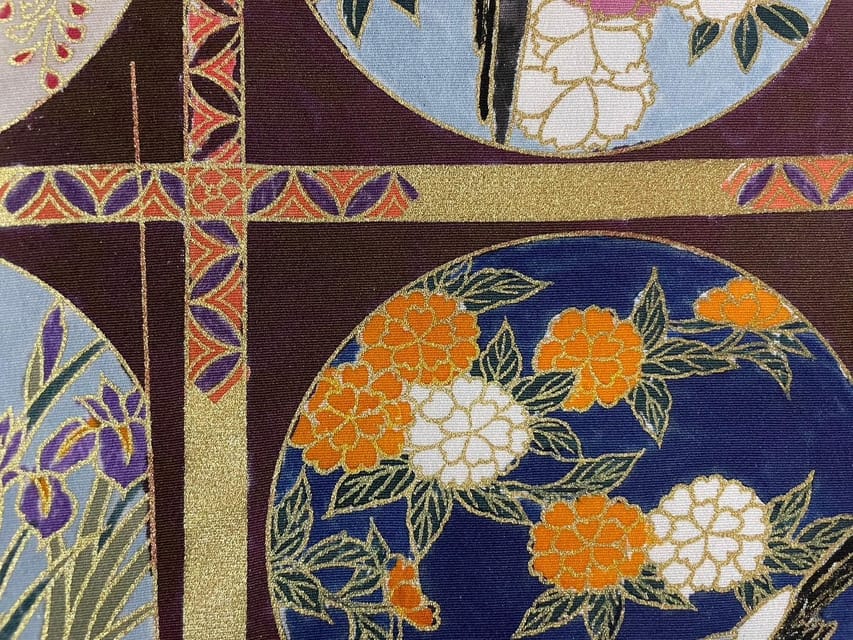
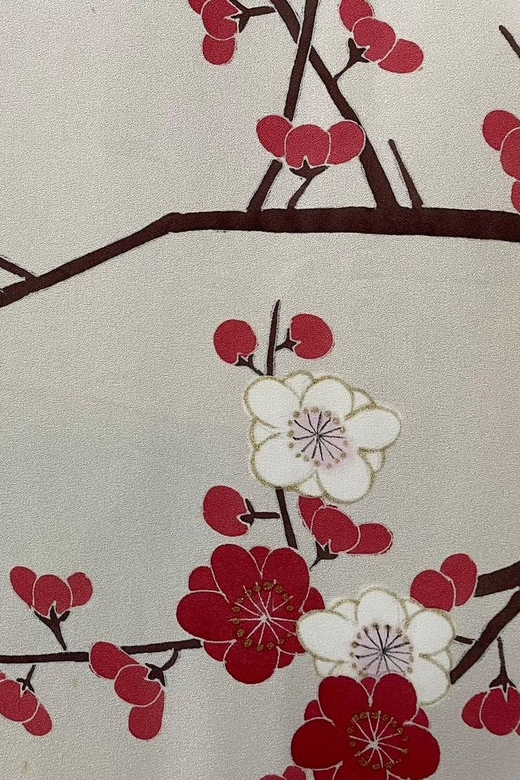
Once you’ve picked your design and colors, you paint directly on silk. Many participants note that the fabric arrives with the design already prepared, often with gold outlines from the stencil-like process, so you focus on color placement and brushwork.
The actual technique feels closer to careful painting than typical tie-dye. You are laying color within defined areas, then letting the dye do its part. As you work, you can watch the color take form, which is one reason the process feels meditative to a lot of people.
You’ll also get guidance on technique and pacing. One helpful tip that came up in reviews: don’t overload your brush, because paint can bleed. That sounds basic, but it matters a lot when your goal is crisp shapes and clean edges.
If you’re wondering how “beginner-friendly” this is, that depends on your expectations. You are not required to be an artist. But you do need patience and steady hand control for a couple of hours. One participant specifically said the activity is not ideal if you cannot sit on the floor for that long.
The calm pace, plus what to do if timing runs long
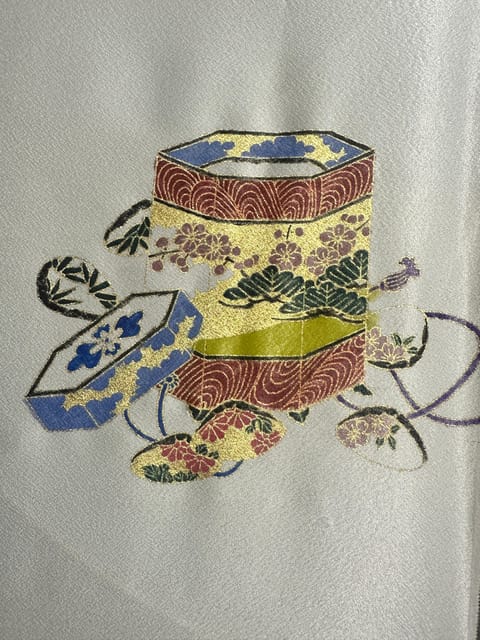
The class is designed for about two hours, in a small group capped at six participants. A lot of people describe the mood as calm and relaxing, and the structure tends to keep you moving step-by-step without feeling rushed.
Still, plan your day with a little slack. One review mentioned their session ran about 30 minutes past the scheduled end time, and the hosts allowed it. That’s not something you should count on, but it’s a good reminder to avoid booking tight connections immediately after your class.
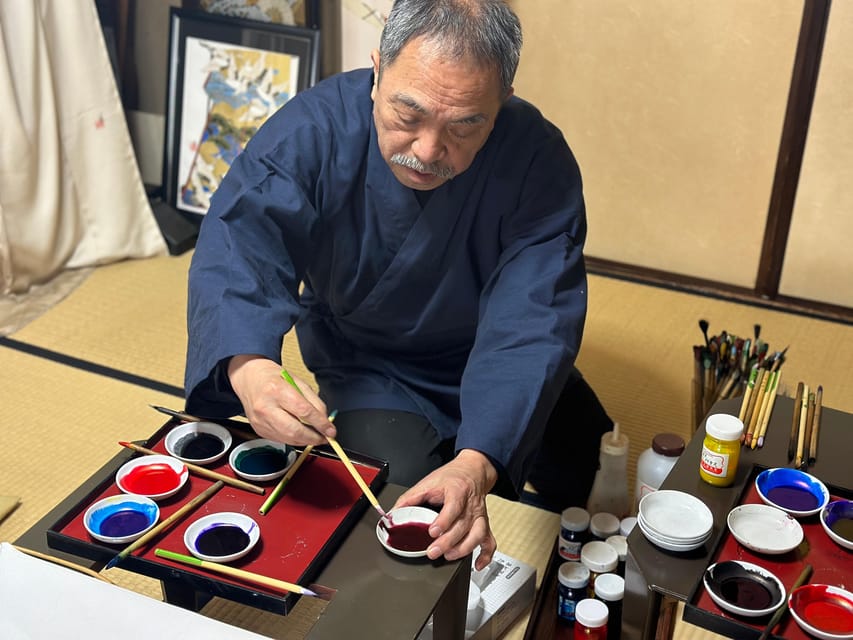
During your session, the artisan and interpreter will stay with you through key moments: choosing colors, mixing shades, and painting through the steps. In reviews, participants appreciated that guidance didn’t vanish once the fun started, and that the atmosphere stayed friendly and patient.
There’s also a cultural layer beyond the craft. You’re learning how Kyoto Yuzen designs were traditionally composed, why certain color pairings work, and how careful application protects the look of the final piece.
What you take home, and how to make it last
Your main takeaway is your own Yuzen-dyed silk fabric, made during the class. Multiple reviews highlight that the finished work goes home with you, and that the result feels special because it’s collaboration between you and a master artisan.
Before you leave, you should expect finishing steps like drying and ensuring the colors are set. Several participants mentioned the artisan irons the piece to make sure it’s dry, which is practical because it helps you pack and transport the artwork without worry.
How you’ll store it at home depends on the piece you receive, but basic care matters. Keep it away from direct sun when not displaying it, handle it gently to avoid creasing, and avoid rubbing color-rich areas against rough surfaces.
If you care about keeping the fabric looking its best, treat it like a textile artwork. A finished Yuzen piece isn’t just a craft souvenir, it’s something closer to wall art or display material, depending on what form your class item takes.
Price and value: what $161 gets you in real craft time
At $161 per person for a two-hour session, the price looks like a “serious craft class” rather than an inexpensive activity. You’re paying for a few things at once: artisan instruction, interpreter support, studio time inside a private machiya setting, and the materials and finishing that allow you to take the work home.
The value part is the access. You aren’t learning from a slideshow. You’re working with a master-level maker, and in reviews you can see how hands-on the color mixing and painting guidance is.
Also, the small group size matters here. Up to six people means more time for the artisan to adjust your palette, check your brushwork, and help you avoid common mistakes like muddy bleeding.
What’s not included is transportation to and from the meeting point. If you’re planning Kyoto on foot or by transit, factor that in so the class time does not turn into a rush on both ends.
One more note on cost: there may be an opportunity to purchase additional works from the artisan by cash, but that’s separate. Your class price should be about your own dyed piece.
Who should book Kyoto Yuzen dyeing, and who should skip it
This experience is a strong fit if you want authentic Kyoto craft and hands-on learning. It suits art lovers, hobbyists, and people who like slow, precise activities where a lot is learned through doing.
It’s also a good choice if you like learning through guidance. The color palette process is interactive, and you get suggestions based on harmony, not just personal preference.
It may be less suitable if you cannot sit on the floor comfortably for the duration. It’s also not aimed at children under 10 or babies under 1, based on the activity’s suitability limits.
If you have chemical sensitivities or allergies, take the warning seriously. The experience may involve the use of chemicals, so inform the organizers in advance. That’s the kind of detail that keeps the class safe and more comfortable.
Wheelchair accessibility is listed, and the class is set up as wheelchair accessible. Still, if you have mobility concerns beyond that, I’d confirm how seating and movement works in the machiya home environment before you go.
Final verdict: should you book this Yuzen class?
Book it if you want a Kyoto souvenir with actual story attached. The combination of an artisan-led studio setting, small group attention, interpreter support, and the fact that you leave with what you made makes this a smart use of time.
Skip it if you want a quick photo stop or you dislike sitting on the floor for a couple of hours. Also reconsider if dye chemicals could be an issue for you.
If you love Japanese arts and want something more thoughtful than a generic craft demo, this class delivers. It’s quiet work, real technique, and a finished piece you can bring home without feeling like it was mass-produced.
FAQ
How long is the Kyoto Yuzen dyeing experience?
It lasts 2 hours.
Where does the class take place?
It’s held inside a traditional machiya townhouse in Kyoto’s historic Nishijin district.
Is this a small group class?
Yes. It is limited to 6 participants.
What languages are offered during the class?
English and Chinese.
Do I need to bring anything?
Wear comfortable clothes. You should also wear clothing you do not mind getting dye on.
Is wheelchair access available?
Yes, the experience is wheelchair accessible.
Is the class suitable for kids?
It is not suitable for children under 10 years old, and it is not suitable for babies under 1 year old.
Are alcohol or drugs allowed?
No. Alcohol and drugs are not allowed.
What if I have allergies or sensitivities?
The experience may involve the use of chemicals. Tell the provider in advance so they can account for your sensitivities.
Can I get a refund if I cancel?
There is free cancellation up to 3 days in advance for a full refund.
Made by Hand, and Yours to Keep
Newest Kyoto write-ups from the Loving Japan desk

Japanese Craft and Calligraphy Workshops, side by side.
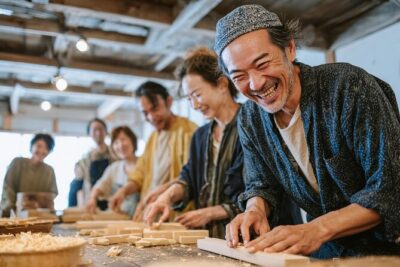 ★ 5.0Tokyo Shinjuku Chopsticks Making ClassFrom $201,763 reviews
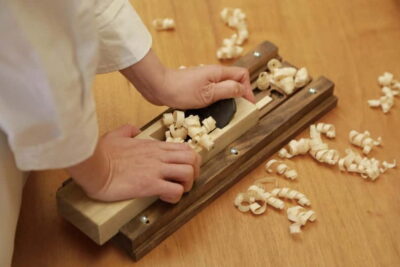 ★ 4.8Chopstick Making Workshop in GinzaFrom $251,366 reviews
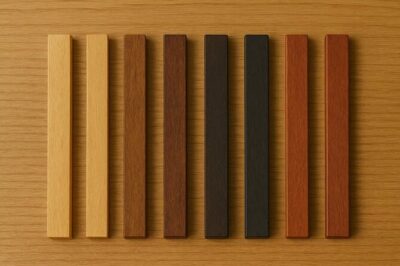 ★ 5.0Chopsticks Making Workshop in Gion with Engraving OptionFrom $15958 reviews
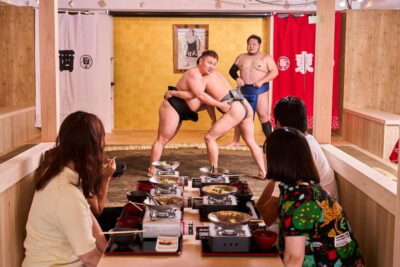 ★ 4.8Tokyo Sumo Experience: Chanko & Mochi with a Former ProFrom $103567 reviews
 ★ 5.0Kintsugi Experience: Art of Golden Joinery in TokyoFrom $59467 reviews
 ★ 5.0Tokyo Chopstick Making Workshop with ArtisanFrom $26466 reviews
 ★ 4.9Matcha Making Experience with Mochi Sweets in AsakusaFrom $22388 reviews
 ★ 4.8Authentic knife making experience at a blacksmith in KyotoFrom $154350 reviews
Filed on these lists too