
REVIEW · JAPANESE CRAFT AND CALLIGRAPHY WORKSHOPS
Let’s make only one original onigawara in the world
If you like souvenirs with a story, this one is different: you create onigawara, the demon-faced roof tiles of Japanese architecture, in a hands-on workshop in Kyoto. I love that you do the real making yourself, not just watch. I also love the payoff, your finished tile gets fired and then sent to your home, so you do not have to lug fragile ceramics through Japan.
The main thing to plan for is mess and logistics. This experience uses soil, so wear clothes that can handle some clay. Also, shipping is not included, so you’ll want to budget extra for getting it home.
In This Review
- Key points before you book
- What onigawara are, and why Kyoto roofs have faces
- Entering 瓦工房 You家: the setting that keeps it real
- The onigawara workshop process: from raw clay to a guardian
- You build in pieces, then make it your own
- You might think it will go wrong, then it doesn’t
- Who teaches, and how the class stays friendly for non-Japanese speakers
- Timing in the real world: about two hours, sometimes longer
- After you leave: drying, firing, and getting your onigawara shipped home
- Shipping costs are the big practical question
- Price and value: is $89.17 a good deal?
- What to wear and bring so you do not stress
- Small group size: why maximum five matters
- Best fit: who should book this onigawara workshop
- When you might want to skip
- Final call: should you book 瓦工房 You家?
- FAQ
- How long is the onigawara workshop?
- Where does the experience start and end?
- What is the maximum group size?
- How much does it cost?
- Is bottled water included?
- Do I need to bring an apron?
- Is shipping included in the experience price?
- Do I get a mobile ticket?
- Can I join if I have a service animal?
- What is the cancellation policy?
Key points before you book
- Small-group class (maximum five travelers), which means you get real guidance without feeling rushed.
- You learn the purpose of onigawara on Japanese roofs, where ogre-faced tilework is meant to ward off evil and help protect against rain.
- A step-by-step demon face build, where the same basic course can still turn out totally different tiles.
- The kiln work happens after your session, so you’ll leave with your piece in clay form, then it’s fired for the final result.
- Your onigawara is delivered to your home, with shipping costs separate from the experience fee.
- Clay workshop reality: expect dirty hands, possible staining on clothing, and a hands-on setting.
Make something to take home. Other workshops
- Kyoto : Chopsticks Making Workshop in Gion with Engraving Option
★ 5.0 · 958 reviews - Authentic knife making experience at a blacksmith in Kyoto
★ 4.8 · 350 reviews - Kyoto: Calligraphy class at Buddhist temple in city center
★ 5.0 · 167 reviews - Roketsu dyeing experience: M course Roketsu Dyeing Experience
★ 5.0 · 163 reviews
What onigawara are, and why Kyoto roofs have faces
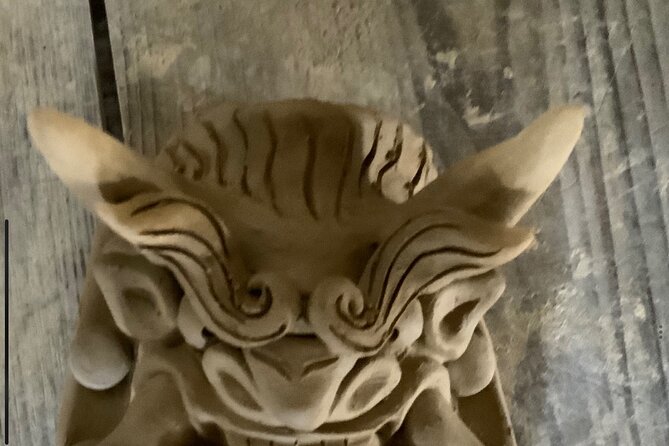
Onigawara are the carved, ridge-end roof ornaments you may spot on traditional buildings in Kyoto. They often look like fierce ogres and guardian creatures, usually with big expressions and bold shapes that are meant to feel intimidating, even protective.
What I like about learning these tiles in context is how practical the story is. The tiles are tied to the roof, weather, and protection, not just decoration. You’ll hear about Kawara, the traditional roof tile tradition, and how these ends-of-ridge designs have long been part of the visual language of Japanese architecture.
This is one of those experiences where culture is not delivered as a lecture. It’s taught through the object itself, and then you make your own version of the same idea.
Entering 瓦工房 You家: the setting that keeps it real
You start at 瓦工房 You家, kawarakoubouyouya, at 373-2 Yamazakichō, Higashiyama Ward, Kyoto (605-0841). The workshop is in an area that should be easy to reach with public transportation, and the activity ends back at the same meeting point.
One of the reasons this works well is the feel of a working studio. Even with a tourist-friendly format, it stays focused on craft. You aren’t trying to fit an arts class into a crowded itinerary, because this is designed as its own stop.
If you want a break from walking, this is a solid trade. You sit, you create, you talk with the instructor as your tile takes shape, then you handle the home-shipping part later.
The onigawara workshop process: from raw clay to a guardian
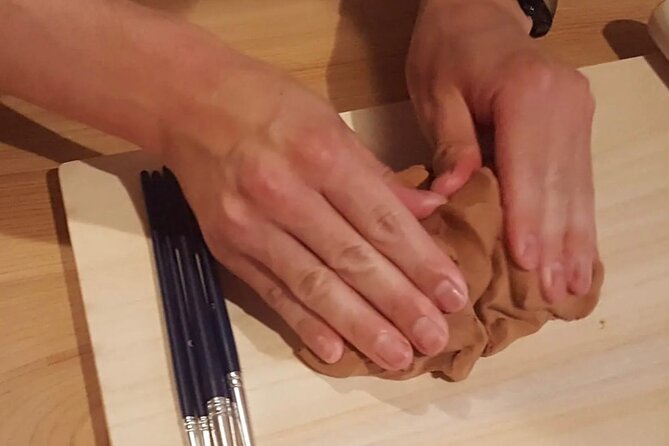
The class centers on making a small, simple onigawara tile with an oni, demon, style face. The goal is not perfect sculpture. The goal is a recognizable guardian, built correctly enough to become a real roof tile style keepsake.
You’ll follow a developed method created by the instructor, with a practical, repeatable approach. The experience is built for beginners, including people who consider themselves clumsy with their hands. The instruction style is described as clear and patient, with step-by-step guidance that turns a lump of clay into something that actually looks like it belongs in a Kyoto story.
- PERFECT KYOTO 1-Day Bus Tour★ 5.0 · 13,518 reviews
- Kyoto: Fushimi Inari, Kinkakuji, Bamboo Grove 1 Day Bus Tour★ 4.8 · 4,316 reviews
- Kyoto: Tea Ceremony in a Traditional Tea House in Kiyomizu★ 4.9 · 3,519 reviews
- Kyoto Geisha Walking Tour: Gion District & Hidden Gems★ 4.7 · 3,273 reviews
- Kyoto: Tea Ceremony Ju-An at Jotokuji Temple★ 4.9 · 3,207 reviews
You build in pieces, then make it your own
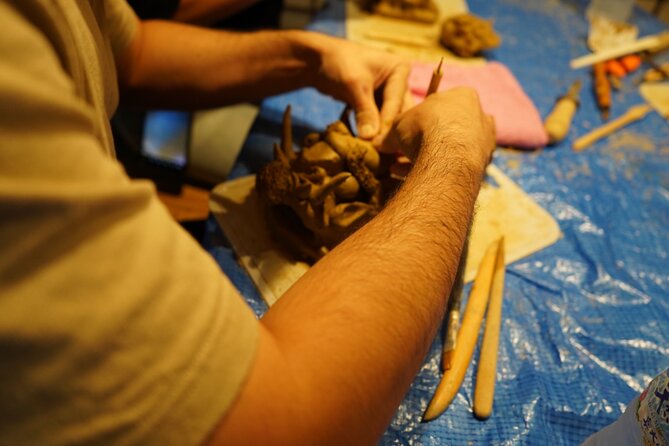
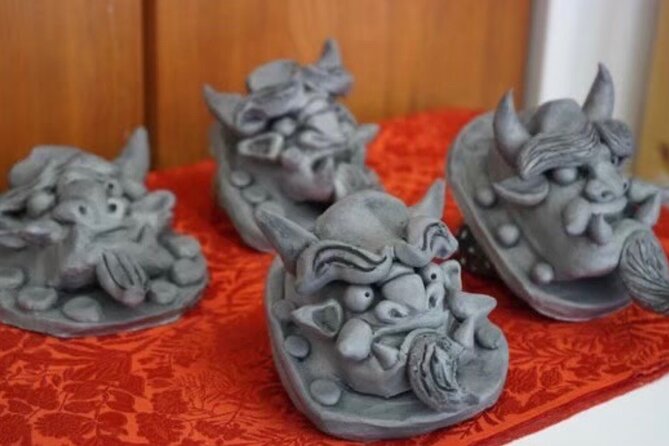
The process is taught as a sequence of manageable steps. Many classes use the same basic layout, and then everyone adds their own twist, which is why two tiles from the same session can look dramatically different.
Expect to work with clay and shape the demon features. The results can range from cute-creepy to fully fierce, and part of the fun is watching your own instincts take over once the form starts coming together.
You might think it will go wrong, then it doesn’t
A common experience in clay workshops is doubt at the halfway point. Even if your first attempt looks off, the method is set up to guide you back to a solid final tile. With the right pacing, you end up with a finished-looking onigawara that you can recognize as a guardian.
This is also where the small-group size matters. Maximum five travelers means the instructor can correct technique and help you keep moving at a workable tempo.
Who teaches, and how the class stays friendly for non-Japanese speakers
Your instructor is connected to 瓦工房 You家, and you’ll hear names like Yuya, Yuuya, or You-san depending on how introductions go. English support is a recurring strength in people’s comments, with instruction described as clear and understandable.
That matters because onigawara making relies on small technique choices. If you understand what to do next, you spend your time building the tile rather than guessing. The teaching style is also described as encouraging rather than strict, with patience for beginners and questions.
If you’re traveling with teens, this tends to land well. The work is hands-on and creative, but still structured enough to feel like a real “make something” class rather than an arts-and-crafts free-for-all.
Timing in the real world: about two hours, sometimes longer
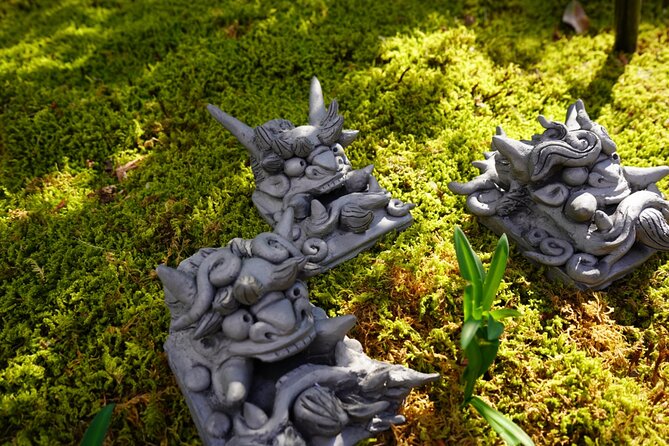
The tour duration is listed at about two hours. In practice, it can run a bit longer depending on your pace and the group’s questions. Either way, the class is built so you can finish the clay forming within the session.
Important nuance: making the tile is only part of the timeline. Clay needs time to dry, then the piece is fired at the kiln later, and only then does shipping happen.
So when you book this, think of it as a two-part experience:
1) You create the form in the studio.
2) Your finished tile becomes a mailed souvenir later.
After you leave: drying, firing, and getting your onigawara shipped home
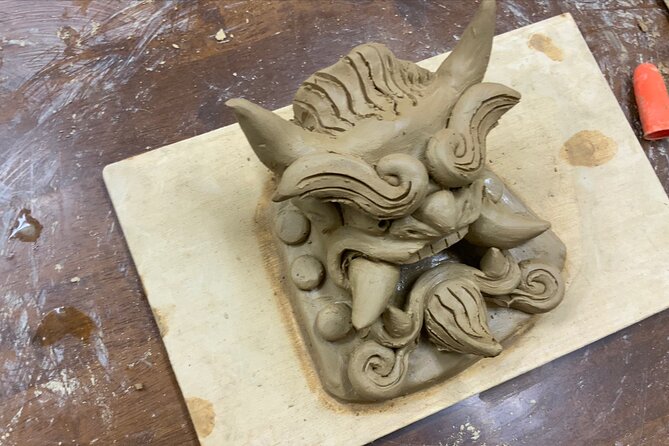
When you’re done shaping your tile, the instructor fires the onigawara tile in a kiln at the factory. That means you are not responsible for baking ceramics, and you do not need kiln access or any special equipment.
Then the piece needs time. Clay drying takes time before firing can properly finish the process. People have reported receiving their onigawara after a few weeks, and you should plan for a delivery window that is not instant.
Shipping costs are the big practical question
Shipping costs are not included in the experience fee. That’s a key value factor, because your total cost will be experience fee plus shipping.
One tip: plan for this to be paid separately, and bring the right kind of payment for the studio’s process. Since the exact shipping fee is not baked into the listed per-person price, it’s smart to treat the class as “$89.17 for the making,” and then budget extra for the mail-to-home part.
Also, the tile will be ceramic once finished, so shipping is the final step that turns your clay creation into a real keepsake you can display.
Price and value: is $89.17 a good deal?
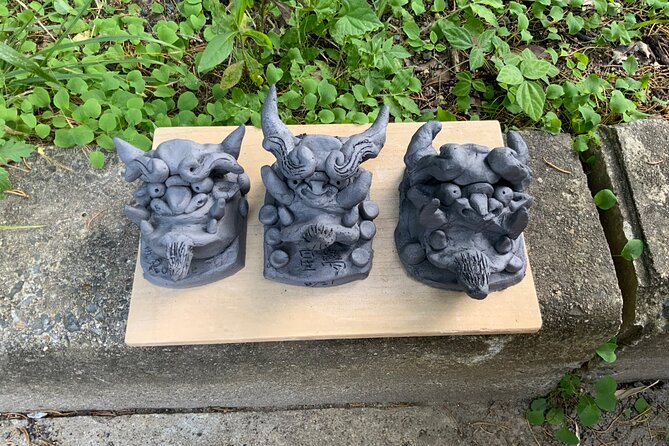
At $89.17 per person, this is not a cheap activity. But it can be good value if you care about three things: craft, meaning, and not hauling ceramics around.
You pay for:
- instruction to make an onigawara from scratch
- the firing process handled by the studio
- the home delivery promise, with shipping charged separately
The small-group model, maximum five travelers, is also part of the value. Larger groups often mean less hands-on attention, and you can feel it when fine steps matter. Here, the format supports personal guidance.
If you’re the kind of traveler who enjoys making a usable souvenir, this is more satisfying than buying a pre-made item. You leave with something that looks like your choices, not just someone else’s design.
What to wear and bring so you do not stress
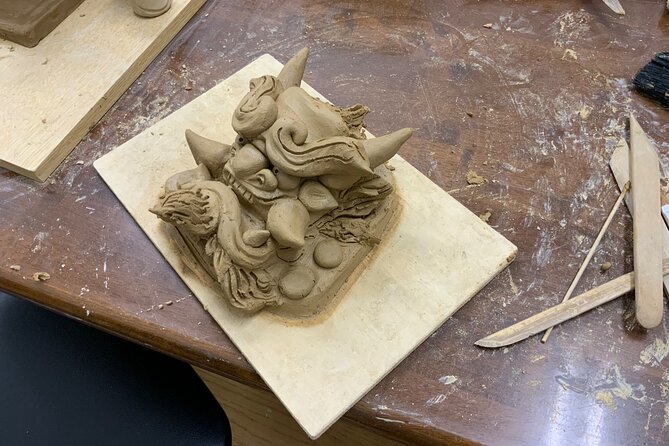
Because the experience uses soil and clay, wear clothes that may get dirty. This is not the time for your best outfit.
If you bring a camera, you’ll get useful photos of your work-in-progress and of the final tile once it arrives. In the moment, focus on following instructions and staying patient, not on documenting every step.
The workshop includes bottled water, which is a nice touch when you are working with hands-on materials. An apron is not included, so if you have one, bring it, or wear clothing that you do not mind tossing in the wash.
Small group size: why maximum five matters
A lot of Kyoto activities feel efficient but impersonal. This one is designed as the opposite. With a maximum of five travelers, you get time to ask questions and fix technique.
That’s especially useful if you are a beginner. Onigawara making has several moments where one wrong move can make shaping harder. The instructor can help you correct without taking over the whole piece.
It also helps with pacing. Some classes feel like a sprint. Here, the process is described as step-by-step and guided so you can finish within the class time, even if you start out unsure.
Best fit: who should book this onigawara workshop
This is a strong match if you want a creative break that is also culturally meaningful. You’ll enjoy it if you:
- like hands-on activities more than guided tours
- want a Kyoto souvenir with a story tied to architecture
- enjoy working with clay, even if you’ve never tried it
- travel as a couple, small group, or with teens who like doing something instead of sightseeing
It is also a good option for families, because the structure supports different skill levels. You can still end up with tiles that look distinct even when everyone follows the same base steps.
When you might want to skip
Skip this if you:
- hate the idea of shipping and paying extra for it
- want an ultra-fast, no-wait souvenir
- are extremely sensitive about getting dirty, since the process uses soil-clay
Also, if you need your souvenir immediately on the last day of your trip, you should be realistic. Your tile is fired later and shipped, so you are planning around delivery, not instant results.
Final call: should you book 瓦工房 You家?
If you want a Kyoto craft that feels authentic, not generic, this is worth your time. I like that it pairs meaning with making, and you get a guardian tile that can become a personal keepsake instead of another postcard souvenir.
Book it if you’re okay with the practical side: wear old clothes, budget for shipping, and treat the experience as a two-step timeline. The reward is a one-of-a-kind onigawara that reflects how you built it, plus a strong cultural connection to the roof ornaments you can spot all over Kyoto.
If that sounds like your kind of trip, you’ll likely leave with a satisfying sense of, I made this.
FAQ
How long is the onigawara workshop?
The experience is about 2 hours (approx.).
Where does the experience start and end?
It starts at 瓦工房 You家, kawarakoubouyouya373-2 Yamazakichō, Higashiyama Ward, Kyoto, 605-0841, Japan, and it ends back at the meeting point.
What is the maximum group size?
This activity has a maximum of 5 travelers.
How much does it cost?
The price is $89.17 per person.
Is bottled water included?
Yes. Bottled water is included.
Do I need to bring an apron?
An apron (epron) is not included.
Is shipping included in the experience price?
No. Shipping costs are not included in the experience fee.
Do I get a mobile ticket?
Yes. The experience includes a mobile ticket.
Can I join if I have a service animal?
Service animals are allowed.
What is the cancellation policy?
You can cancel for free up to 24 hours in advance for a full refund. If you cancel less than 24 hours before the start time, the amount paid is not refunded.
Made by Hand, and Yours to Keep
Newest Kyoto write-ups from the Loving Japan desk


Japanese Craft and Calligraphy Workshops, side by side.
 ★ 5.0Tokyo Shinjuku Chopsticks Making ClassFrom $201,763 reviews
 ★ 4.8Chopstick Making Workshop in GinzaFrom $251,366 reviews
 ★ 5.0Chopsticks Making Workshop in Gion with Engraving OptionFrom $15958 reviews
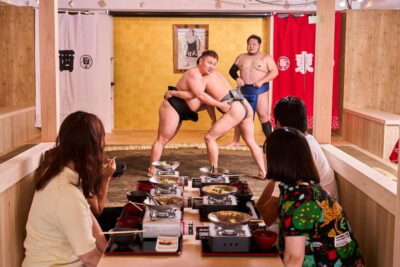 ★ 4.8Tokyo Sumo Experience: Chanko & Mochi with a Former ProFrom $103567 reviews
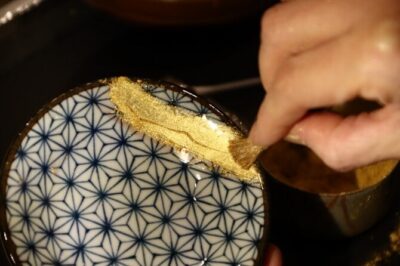 ★ 5.0Kintsugi Experience: Art of Golden Joinery in TokyoFrom $59467 reviews
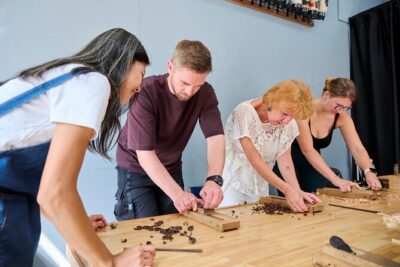 ★ 5.0Tokyo Chopstick Making Workshop with ArtisanFrom $26466 reviews
 ★ 4.9Matcha Making Experience with Mochi Sweets in AsakusaFrom $22388 reviews
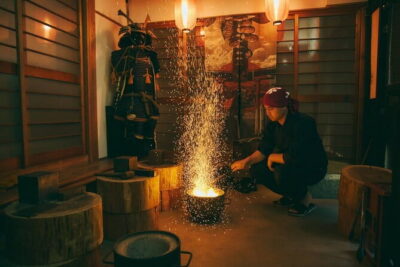 ★ 4.8Authentic knife making experience at a blacksmith in KyotoFrom $154350 reviews
Filed on these lists too