
REVIEW · SUSHI AND SASHIMI EXPERIENCES
Private Art Sushi Roll Class in Kyoto
Peach flower sushi art takes practice, fast. This is a private Kyoto class that teaches kazarimaki design inside a sushi roll using plant-based, edible pigments, plus an English-speaking instructor who guides you step by step.
I particularly like the private format and the focus on making your roll look like edible art, not just eating it.
You’ll also walk away with a booklet and certification, plus bottled water and tea or coffee, and all sushi ingredients. One real consideration: you need to bring socks to enter the tatami room, and if you arrive more than 15 minutes late, you cannot join the class.
In This Review
- Key things I’d circle on your Kyoto calendar
- Why kazarimaki in Kyoto feels different from regular sushi lessons
- Meeting at Sakura Experience Japanese Culture Nijo Home (4:30 pm) and what to expect
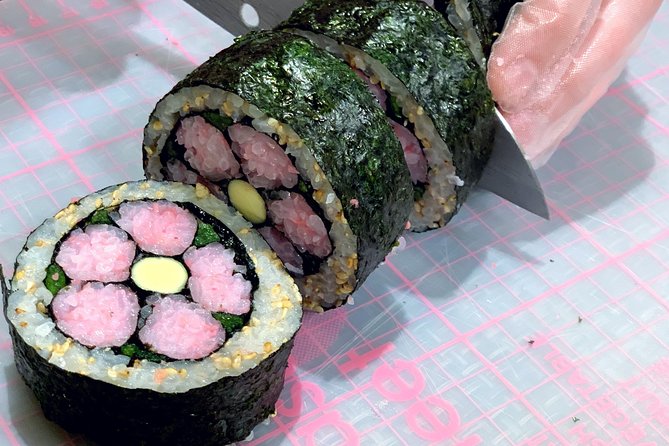
- The art project: a peach flower roll in edible pigment colors
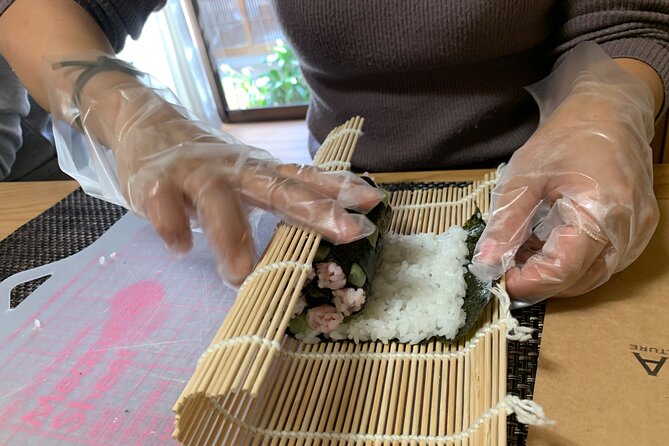
- What you actually do during the class, step by step
- Learn from Aya and her husband’s hands-on support at the home
- Clothing, photos, and respectful tatami etiquette
- Price and value: what $93.32 gets you in real terms
- Who this class suits best
- Practical tips so your hour stays fun
- Should you book this Kyoto sushi art class
- FAQ
- How long is the Private Art Sushi Roll Class in Kyoto?
- Where does the class meet in Kyoto?
- Is this experience private?
- Do I need to wear socks?
- What drinks and ingredients are included?
- Are there age limits or rules for late arrival?
Key things I’d circle on your Kyoto calendar
- Kazarimaki design practice: learn how patterns live inside the roll using edible color.
- A specific finished look: you make a peach flower pattern sushi roll in about 60 minutes.
- Private, English-speaking instruction: clear guidance for beginners through intermediate cooks.
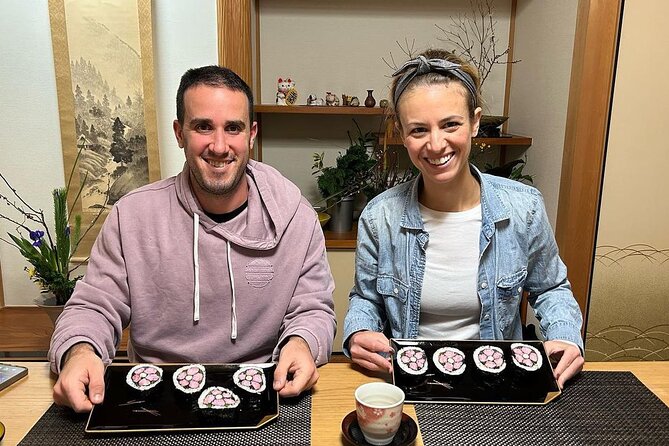
- All ingredients and drinks included: bottled water, tea or coffee, and everything you need.
- Booklet and certification: you leave with something tangible, not just photos.
- Traditional clothing for photos and immersion: kimono for women, and other traditional garments for men and children.
Counters and courses we sat at around Kyoto
- Sushi Making in Kyoto! Same-day bookings welcome!
★ 5.0 · 713 reviews - The Original Small-Group Sushi Making Class in Kyoto
★ 5.0 · 436 reviews - Kyoto: Small-Group Authentic Sushi Making Workshop
★ 5.0 · 137 reviews - Sushi – Authentic Japanese Cooking Class – the best souvenir from Kyoto!
★ 5.0 · 93 reviews
Why kazarimaki in Kyoto feels different from regular sushi lessons
Regular sushi classes often teach rolling and knife basics. This one adds a second goal: design. You’re learning kazarimaki, the art of building patterns into a sushi roll using edible pigments extracted from plants. In other words, the “cooking” includes color planning and careful shaping, so it feels closer to craft than a typical meal class.
The time frame matters too. You have about an hour, which pushes you to learn the workflow quickly. You’re guided through making one striking roll, so you get a satisfying result without needing a full day of practice.
There’s also something psychologically nice about the format. When you know the end goal, like a peach flower design, every step has a purpose. You’re not just asking what comes next, you’re thinking about where your pattern needs to appear in the final slice.
Meeting at Sakura Experience Japanese Culture Nijo Home (4:30 pm) and what to expect
Your class meets at さくら日本文化体験 二条城教室 / SAKURA Experience Japanese Culture Nijo Home at Izumichō, Nakagyo Ward, Kyoto (604-0015). It starts at 4:30 pm, and the activity ends back at the meeting point.
This is a private class, meaning only your group participates. That matters in Kyoto, where shared classes can feel rushed or awkward if you don’t gel with the group. Private time is also helpful for sushi technique, because small corrections on hand position and pressure make a big difference.
You’ll be in a traditional home setting, including a tatami room. The important custom note is simple and non-negotiable: bring socks. If you arrive more than 15 minutes late, you won’t be able to join. I’d plan to arrive early enough to settle in without stress, especially if you’re using public transportation or walking from a station.
The art project: a peach flower roll in edible pigment colors
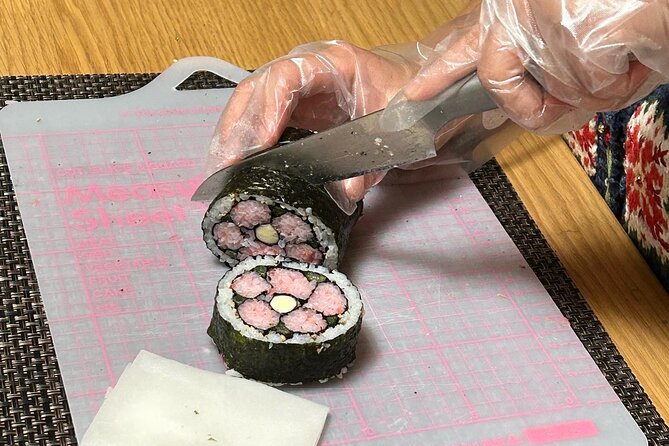
The centerpiece is a peach flower pattern sushi roll. You’ll use natural food colorings and traditional ingredients, then shape a design so it shows clearly when the roll is cut. The focus is on edible artistry, not food theater.
Kazarimaki can sound fancy, but the practical lesson is that your design lives inside the structure. That means the class is really about layering and alignment. You learn how to place the colorful components so they hold their shape while the roll is formed.
You’ll also have options for vegan and vegetarian. That’s a big plus because it keeps the class inclusive without forcing everyone to eat the same style of filling. Since all ingredients are included, you don’t need to track down specialty items ahead of time.
If you’re a sushi beginner, the class is designed to be learnable in an hour. If you already roll at home, you’ll still appreciate the added design skill, because it’s a different challenge than basic sushi rolling.
- PERFECT KYOTO 1-Day Bus Tour★ 5.0 · 13,518 reviews
- Kyoto: Fushimi Inari, Kinkakuji, Bamboo Grove 1 Day Bus Tour★ 4.8 · 4,316 reviews
- Kyoto: Tea Ceremony in a Traditional Tea House in Kiyomizu★ 4.9 · 3,519 reviews
- Kyoto: Tea Ceremony Ju-An at Jotokuji Temple★ 4.9 · 3,207 reviews
- Kyoto: 45-Minute Tea Ceremony Lesson Experience★ 4.3 · 2,378 reviews
What you actually do during the class, step by step
You’ll get three kinds of help during the session: explanation, hands-on coaching, and a clear end product.
First, you hear commentary from your private instructor. That commentary is the difference between copying a technique and understanding why it works. Sushi rolling is sensitive to small details like moisture and pressure, and the guidance helps you avoid the most common mistakes.
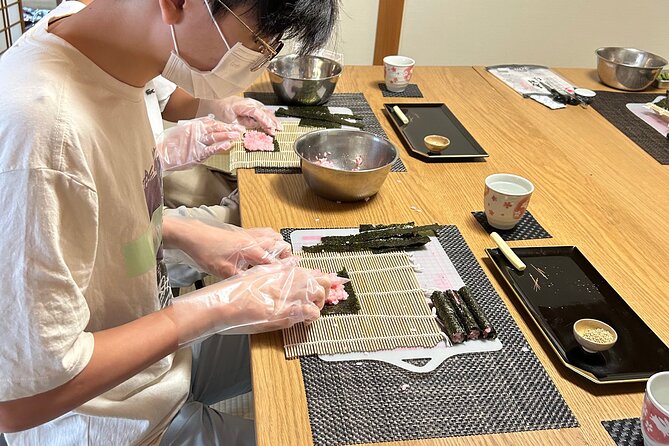
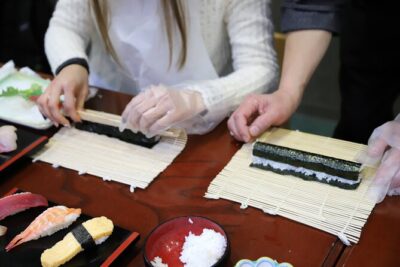
Then you create the roll yourself. You’ll handle the sushi materials, build your pattern, and practice shaping until you reach the point where the design reads clearly. The class is hands-on, so you’re not just watching.
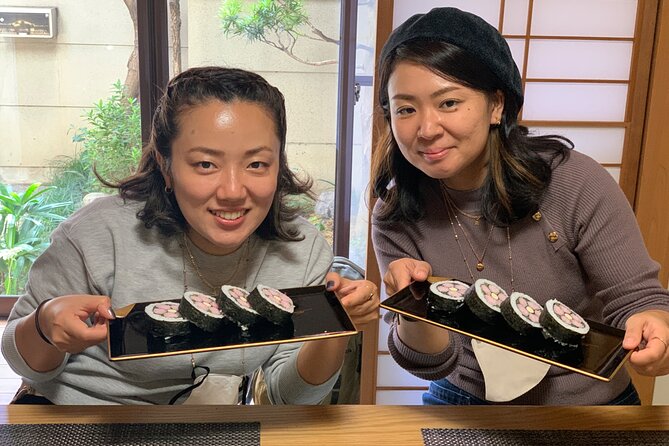
Finally, you finish with your own completed sushi roll. This is the part that makes it feel special. You’re not leaving with a vague lesson. You’re leaving with something you can hold, slice conceptually in your head, and recreate later.
One review note that matches the overall format is that the steps are easy to follow, and the instructor and helper make the experience smooth. You’re also provided with the tools and supplies needed for the session, so you can focus on technique instead of logistics.
Learn from Aya and her husband’s hands-on support at the home
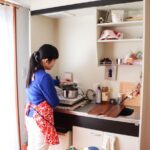
The host at this class is Aya, and her husband Manabu Ito also plays an active role during the experience. In real terms, that often means smoother flow: one person teaching and translating, while the other helps with prep and support like tools, cleanup, and dishes.
That pairing matters when you’re working with food and using color pigments. If you have to wait for help every time you make a small adjustment, the roll can dry out or your momentum breaks. Having additional support helps you stay in rhythm.
Aya’s English communication is a consistent theme in the feedback. Clear instruction is especially important with a design-based skill, because you need to understand the goal and the method quickly. If you’re traveling with mixed cooking confidence in your group, this kind of teaching style helps everyone participate without feeling lost.
Aya and Manabu also make the home feel welcoming. If you like cultural experiences that go beyond a quick photo stop, this format is more personal than a commercial cooking studio.
Clothing, photos, and respectful tatami etiquette
This is one of those Kyoto touches that you’ll either love or ignore. For me, it’s a plus because it signals that the class is a cultural activity, not only a cooking session.
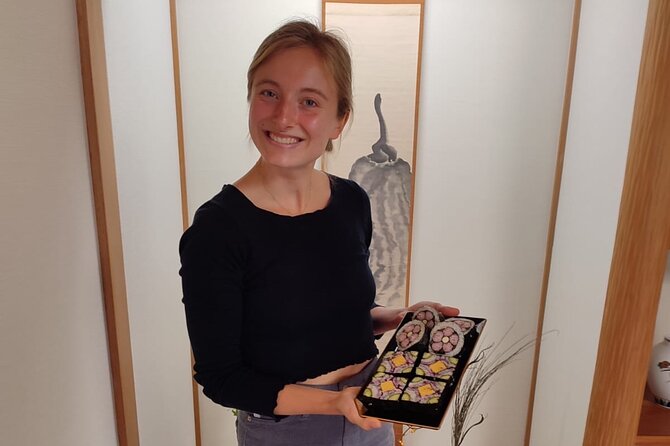
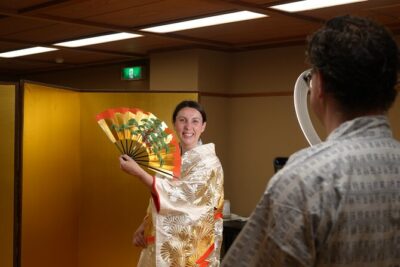
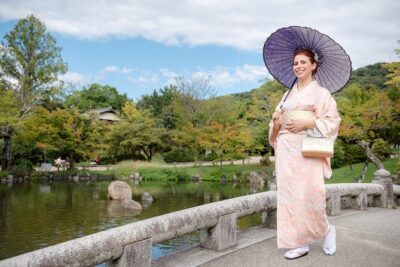
Aya provides traditional garments to wear during the experience. Women receive a kimono, and men and children receive other traditional garments. Even if you’re not a photo person, it changes how you move and how you show up.
Then there’s the tatami custom rule, which is practical and worth prepping for. You need socks to enter the tatami room. Also, the notes say baby and toddler can sit or sleep on the tatami mat. If you’re traveling with little kids, bring extra socks so you’re prepared for changes during the session.
One more timing note: you cannot join if you arrive more than 15 minutes late. If you want to avoid discomfort and keep the experience calm, build in walking time from the nearest transit stop.
Price and value: what $93.32 gets you in real terms
At $93.32 per person for about an hour, this isn’t the cheapest thing on your Kyoto list. But it also isn’t just a “sushi dinner” with a side activity. The value comes from a cluster of included items and the private format.
You’re getting:
- a private, English-speaking instructor
- design-focused kazarimaki teaching
- all sushi ingredients
- bottled water and tea or coffee
- a booklet and certification
- a traditional garment (kimono or other clothing)
Add it up and the price becomes easier to justify. You’re paying for instruction, guidance, and the materials that can be hard to source on your own, especially when you want design pigments and a structured class outcome.
The private setup also reduces the “group drag” effect. In shared classes, you may spend time waiting for space or translations. Here, your group participates only as your group, and you can move at a pace that fits your learning needs.
As a final value check: it helps if you genuinely want a skill you can repeat. If you only want to eat sushi and take photos, you might prefer a simpler meal experience. If you want a hands-on souvenir that’s also a cooking skill, this price makes more sense.
Who this class suits best
This class works well for:
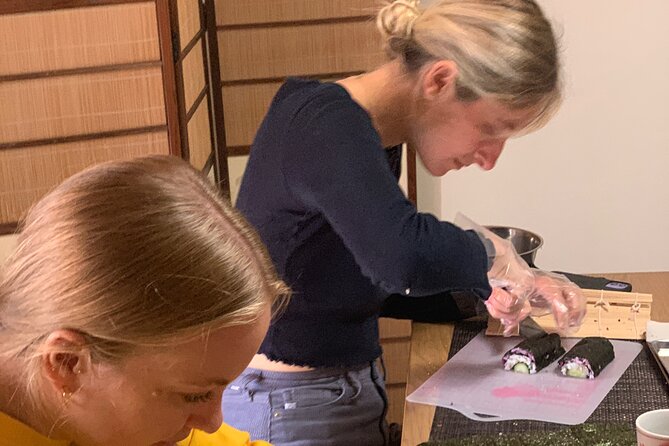
- Beginners who want a guided, learnable introduction to sushi rolling with design
- Intermediate cooks who already roll sushi and want the extra challenge of kazarimaki patterns
- Families, including mixed ages, since it’s a private setting and a traditional home experience
- Anyone who likes learning a specific art technique they can try at home later
There are also a few boundaries to remember:
- Under 18 needs to come with a parent or guardian who is over 21.
- The tatami room requires socks.
- Late arrival beyond 15 minutes means you can’t join.
If your group includes someone who strongly dislikes hands-on cooking, you might find the class tiring. But if your group enjoys making something with their hands, this is the type of activity that sticks in memory.
Practical tips so your hour stays fun
Here are the small things that make a big difference with this kind of sushi art class:
- Bring socks for tatami. It’s not optional, and it’s easy to forget when you’re traveling.
- Arrive early. You have a 15-minute window, then you miss the class.
- Expect an hour of focused work. This isn’t a long tasting tour, it’s a skill session with a finished roll.
- If you want vegan or vegetarian, choose that in advance. The class notes say those options exist.
- Plan your photos for after you get settled. The traditional garment option is a nice moment, but you’ll want to focus on rolling while instruction is happening.
Also, the class is scheduled for late afternoon at 4:30 pm. If you’re doing other Kyoto activities that day, consider what you’ll eat before class. The class includes drinks, but it’s still a cooking session, not a full dinner.
Should you book this Kyoto sushi art class
I think you should book if you want a hands-on Kyoto experience that teaches a specific technique, kazarimaki, and gives you a finished sushi roll plus a takeaway booklet and certification. The private, English-speaking format with Aya and Manabu Ito support is a strong match for travelers who don’t want a rushed group class.
Skip it if you’re only seeking casual sushi eating or you’d rather spend time touring instead of making something. Also, if socks and timing rules sound like a hassle, factor that in before you commit.
One last nudge: if you can, book ahead. The typical booking rhythm is about a week in advance, so waiting too long can limit your options. And it’s worth noting you can cancel for free up to 24 hours in advance of the start time.
If you want a Kyoto story you can bring home, this is the kind of activity that turns into a skill, not just a memory.
FAQ
How long is the Private Art Sushi Roll Class in Kyoto?
The class runs for about 1 hour.
Where does the class meet in Kyoto?
You meet at さくら日本文化体験 二条城教室 / SAKURA Experience Japanese Culture Nijo Home, Izumichō, Nakagyo Ward, Kyoto, 604-0015, Japan.
Is this experience private?
Yes. It’s a private class, and only your group participates.
Do I need to wear socks?
Yes. You must bring socks to enter the tatami room, following Japanese customs.
What drinks and ingredients are included?
The class includes bottled water, tea or coffee, and all sushi ingredients.
Are there age limits or rules for late arrival?
Under 18 must come with a parent or guardian who is over 21. Also, if you arrive more than 15 minutes late, you will not be able to join the class.
Counters and Courses
Newest Kyoto write-ups from the Loving Japan desk

Sushi and Sashimi Experiences, side by side.
 ★ 5.0Sushi Making Tokyo Roll and Authentic Japanese Sushi ClassFrom $593,971 reviews
 ★ 4.9Roll and Authentic Sushi Making Class in AsakusaFrom $581,957 reviews
 ★ 5.0Make Sushi and Create Unforgettable Memories in TokyoFrom $791,413 reviews
 ★ 4.9Sushi Making Class in a Happi Coat near a Famous SpotFrom $421,377 reviews
 ★ 5.0Sushi Making Osaka Roll and Authentic Japanese Sushi ClassFrom $311,220 reviews
 ★ 5.0Tokyo Sushi Making Class in Tsukiji with Professional ChefFrom $491,177 reviews
 ★ 5.0Tokyo Night Foodie Tour in Shinjuku – Seasonal Sushi, Wagyu BeefFrom $1111,161 reviews
 ★ 5.0Tsukiji Fish Market Guided Tour and Sushi Making with Pro ChefFrom $104775 reviews
Filed on these lists too