
REVIEW · JAPANESE COOKING CLASSES
Private Cooking Class Udon in Kyoto Japan
Making udon in a 130-year-old house feels special. This private class puts you in a renovated Japanese home that dates back 130 years, with antique furniture and a classroom vibe that feels like Kyoto in the past. I love the handmade udon steps you actually do yourself, and I also love that you eat the noodles you make right afterward, with a tempura set added for the meal.
One thing to consider: it is scheduled for about 1 hour of class time, so if you want a long, slow sit-down cooking day, you may feel a bit rushed unless you build in extra time afterward.
In This Review
- Key Highlights You Will Care About
- A Kyomachiya-Style Workshop, 2 Minutes From Nishi Honganji
- Walking Into a House That Looks Like Kyoto, Then and Now
- Your Teacher Team, Local to Kyoto, Built for Patience
- Making Handmade Udon: The Steps You Actually Do
- Do You Make Tempura? Short Answer: No, But You Still Eat It
- Eating Your Udon in the Same Traditional Space
- Why Private Means You Get More Than a Ticket
- Who This Udon Class Is Best For
- Practical Tips for Booking and Showing Up
- Should You Book This Private Kyoto Udon Class?
- FAQ
- How long is the private udon cooking class?
- Do I need to make tempura or boil the udon myself?
- Where is the meeting point and when does it start?
- Is this activity private?
- How does confirmation work after booking?
- What is the cancellation policy for a full refund?
Key Highlights You Will Care About
- A renovated 130-year-old Kyoto house: traditional setting, antique furniture, and local teachers.
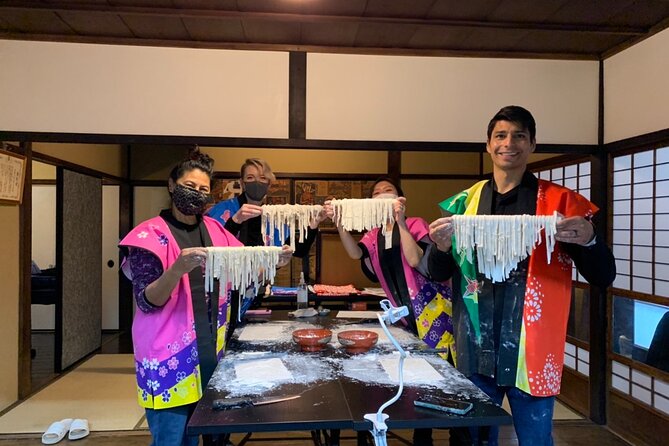
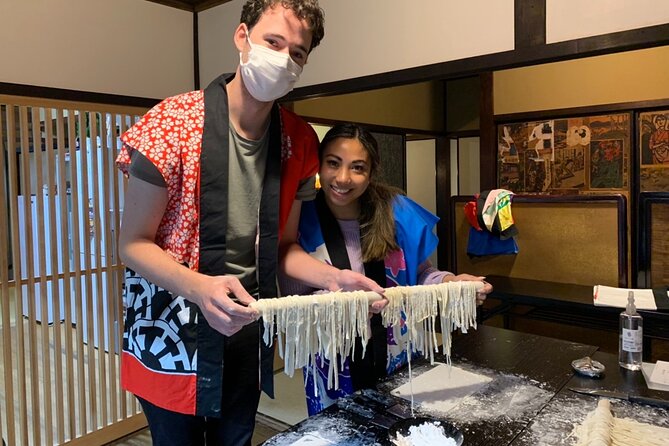
- You knead, stretch, and cut the udon: hands-on, with guidance in English.
- No need to boil the noodles: the class is designed so you still get to participate without tricky boiling work.
- Lunch is included, plus tempura: a separate tempura set means you do not make tempura from scratch.
- You leave with a plan to cook at home: a recipe is provided so your udon has a chance to match your memory.
- Close to Kyoto Station and Nishi Honganji Temple: easy to fit into your midday schedule.
Cook it yourself instead. Other kitchens in Kyoto
- Ramen Cooking Class at Ramen Factory in Kyoto
★ 5.0 · 1,937 reviews - Sushi Making in Kyoto! Same-day bookings welcome!
★ 5.0 · 713 reviews - Kyoto: Ramen Cooking Class at a Ramen Factory with Souvenir
★ 4.9 · 532 reviews - Kyoto: Ramen, Gyoza, and Onigiri Cooking Class
★ 5.0 · 445 reviews
A Kyomachiya-Style Workshop, 2 Minutes From Nishi Honganji
Your start point is at 364 Momijichō, Shimogyo Ward, Kyoto, and you begin at 12:00 pm. The location is convenient in two different ways. First, it is about a 12 minute walk from Kyoto Station, so you can reach it without relying on a taxi. Second, it is just about a 2 minute walk from Nishi Honganji Temple, which makes it an easy add-on if you are already roaming that side of town.
The bigger reason I like this meeting point is timing. A midday udon class works well in Kyoto because mornings often get gobbled up by temples, and evenings can be crowded. Here, you can cook, eat, and keep moving.
Walking Into a House That Looks Like Kyoto, Then and Now
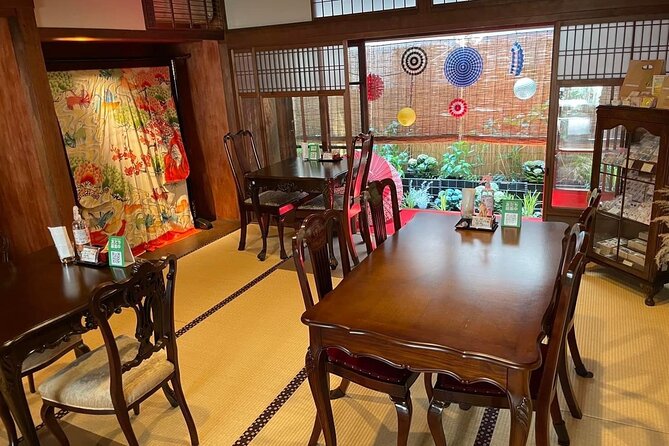
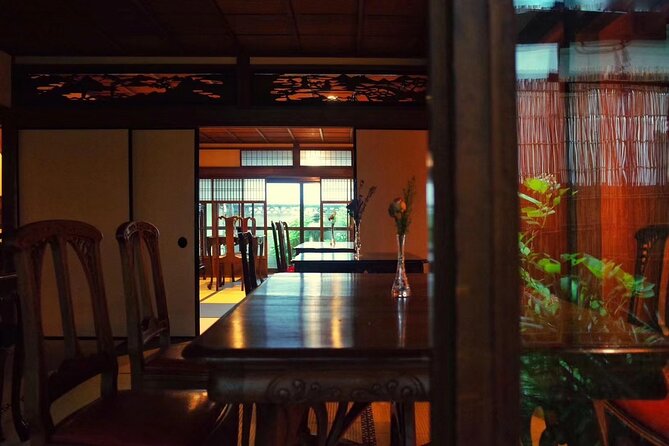
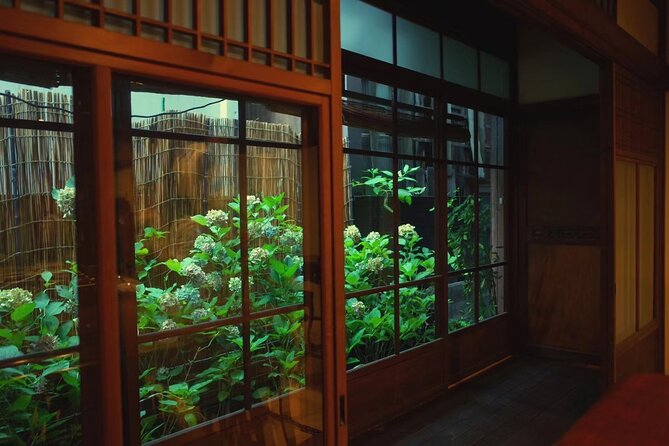
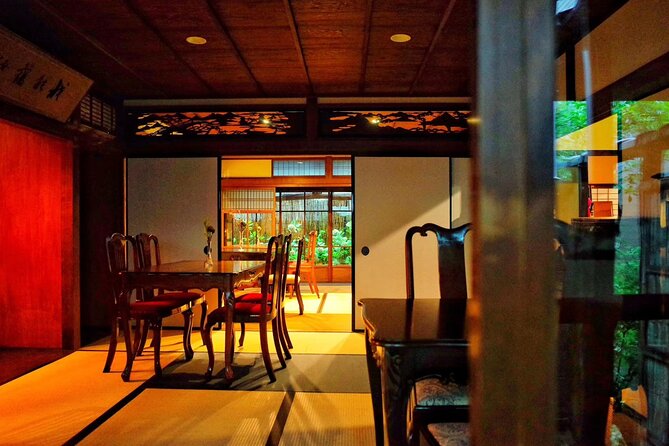
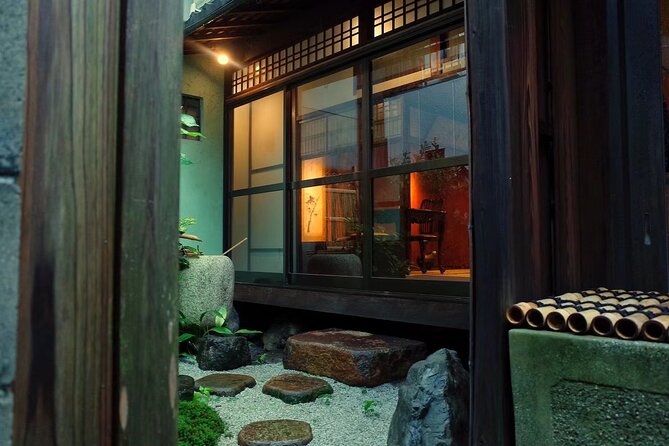
This is not a demo kitchen in a mall. You learn inside a beautifully renovated traditional Japanese house, said to be about 130 years old. Inside, you will find antique furniture and artifacts that are over 110 years old, plus traditional Japanese music that helps the whole thing feel like a time capsule.
When a cooking class is done well, the setting matters more than people expect. The house makes the instructions easier to follow because the pace feels calm and old-school. And the music and antiques keep it from feeling like a generic tourist workshop.
Your Teacher Team, Local to Kyoto, Built for Patience
All the teachers are local to Kyoto and they focus on sharing Japanese culture, not just the steps to make noodles. From what you can expect in the experience, you will get English instruction and clear, step-by-step guidance.
Names that show up in the experience include Tanaka and Hisayu, and they are described as friendly, encouraging, and patient. One helpful detail from class dynamics: in many groups, there is also additional assistance, which keeps the pace smooth while everyone stretches and cuts the dough.
If you are traveling with kids, this kind of teaching support really matters. It reduces the stress of trying to do food tasks that feel unfamiliar in a foreign language.
A bowl somewhere else in Kyoto
- Kyoto Ramen and Gyoza Cooking Class with Professional Chefs★ 5.0 · 282 reviews
- Home style Ramen and Homemade Gyoza in Kyoto★ 5.0 · 152 reviews
- Kyoto Michelin Ramen Workshop or Painting Ramen Essentials★ 4.9 · 100 reviews
- Kyoto Ramen Noodle Making Class★ 5.0 · 58 reviews
- Ramen Gyoza Onigiri Japanese Cooking Class in Kyoto★ 5.0 · 44 reviews
Making Handmade Udon: The Steps You Actually Do
The heart of the class is a full handmade udon sequence in the style of a kyomachiya workshop. You will follow a process that includes:
- Making saltwater
- Rinse the water
- Footsteps
- Mature
- Stretch the fabric
- Knife cut
- It is boiling
A key point for your expectations: you handle the parts that build the dough and shape the noodles, while boiling is managed by the instructors. That matches what you see in reviews where the teacher takes care of the boiling so the class stays approachable for families.
This matters for value because you are not just watching. You are doing the core work, the part that makes homemade udon feel different. Saltwater prep, dough handling, stretching, and knife cutting are the skills you will remember, and those are the skills that translate into trying it again later.
You can also pick up a few context notes about udon along the way. One review mentions learning that udon has roots in China, and you may get similar background explanations as part of the cultural framing of the lesson.
Do You Make Tempura? Short Answer: No, But You Still Eat It
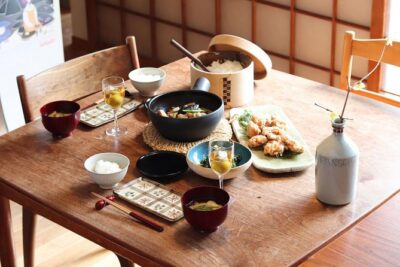
The meal setup is simple and practical. You do not need to make tempura or udon broth yourself. The class provides a separate tempura set for the meal, so you can focus your effort on udon.
After you finish shaping your noodles, the instructors handle the cooking. Then you sit down to enjoy what you made. Based on the meal descriptions, you can expect toppings and serving elements like ginger and minced green onion, and you may see a dashi-style dipping broth offered alongside.
You get both satisfaction and variety here. Udon is the star, and tempura adds the crunch without adding complexity to the cooking workload.
Eating Your Udon in the Same Traditional Space
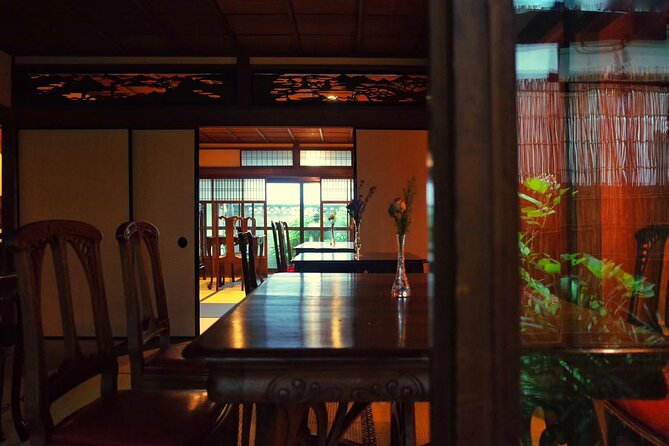
There is a nice rhythm to the day: you cook in the historic house, then you relax and eat the udon you made. Reviews describe enjoying the udon with sauce and also mention tempura vegetables served with the meal.
Even better, the time after eating can be part of the experience, not just a quick exit. Some groups report the session going longer than the class estimate because there is time to enjoy the food and stick around with the teachers. That is a good sign because it means you are not rushed out right after the cooking steps.
If you are a planner type, think of this as a midday activity that can stretch comfortably without becoming chaotic. It is also private, so your group is not competing for attention with strangers.
Why Private Means You Get More Than a Ticket
This is a private tour or activity, meaning only your group participates. That is a big quality lever for cooking classes. When you are doing hands-on steps like stretching and cutting, having space and time matters. Private classes tend to reduce the waiting, the confusion, and the pressure of doing everything at once.
You also get more teacher attention, which is useful if you want to ask basic questions like how to judge the dough feel or what the recipe steps are trying to accomplish.
It is also a value angle. At $60.43 per person, you are paying for guided instruction plus a meal. If you have ever tried to learn udon alone at home, you already know the frustrating part is not the idea, it is the execution. Here, you get a lesson that aims to be replicable.
One more practical note: this experience is often booked about 16 days in advance on average. That suggests it sells out at popular times, so if you want your 12:00 pm slot, plan ahead.
Who This Udon Class Is Best For
This is one of those Kyoto experiences that works across ages, from kids to adults. Reviews specifically mention kids having fun and being able to participate, including families where children ranged from young ages to teenagers. There is also mention of an 83-year-old participant enjoying the class, which tells you the pace and support are built to accommodate different comfort levels.
You will likely be happiest here if you:
- Want a hands-on food activity, not just a tasting
- Prefer a private setting over a big group workshop
- Like culture with your cooking, meaning you want the background and not only the recipe
- Are planning a midday break in Kyoto
If you are the type who only wants cooking as a quick task, you might find an hour feels short. But if you want to eat what you make, plus learn a skill you can repeat, this fits well.
Practical Tips for Booking and Showing Up
A few things to keep your experience smooth:
- Bring the basics for a cooking class, like comfortable shoes. The udon process includes a step that involves footsteps, so you will want stable footing.
- Expect the class to run around the stated time, with a bit of extra time possible when you factor in eating.
- Plan your day so you are not sprinting afterward. You will want a comfortable buffer after lunch in Kyoto.
- Get your mobile ticket ready for entry. It is listed as a mobile ticket experience.
- If you have a service animal, the experience allows service animals.
Also, if you are pairing this with other Kyoto sights, Nishi Honganji Temple is extremely close. Kyoto Station is also walkable, so you have options depending on how your day is shaped.
Should You Book This Private Kyoto Udon Class?
Yes, I think you should book it if you want a Kyoto cooking experience that feels cultural, practical, and genuinely hands-on. The strongest reasons are the combination of a historic 130-year-old house, a teacher-led process where you do the real shaping work, and an included meal that lets you enjoy your own noodles right away.
You might skip it if you are only interested in a quick tasting, or if you want a longer multi-hour cooking day. This is a focused class with a tidy rhythm, not an all-day food festival.
If you book, aim for the 12:00 pm slot with a plan for the rest of your afternoon. Then show up ready to knead, stretch, and cut. When it works, homemade udon is the kind of skill you remember long after Kyoto fades from the itinerary.
FAQ
How long is the private udon cooking class?
The class duration is listed as about 1 hour. Some groups also describe staying a bit longer after eating.
Do I need to make tempura or boil the udon myself?
No. The tempura is provided as a separate set for the meal, and the class guidance indicates you do not need to boil the udon yourself.
Where is the meeting point and when does it start?
The meeting point is 364 Momijichō, Shimogyo Ward, Kyoto, 600-8345, Japan, and the start time is 12:00 pm. The activity ends back at the meeting point.
Is this activity private?
Yes. It is a private tour or activity, so only your group participates.
How does confirmation work after booking?
Confirmation is received within 48 hours of booking, subject to availability.
What is the cancellation policy for a full refund?
You can cancel for a full refund if you cancel at least 24 hours before the experience’s start time. If you cancel less than 24 hours before, the amount paid is not refunded.
One More Bowl
Kitchens You Can Book Into
Newest Kyoto write-ups from the Loving Japan desk

Japanese Cooking Classes, side by side.
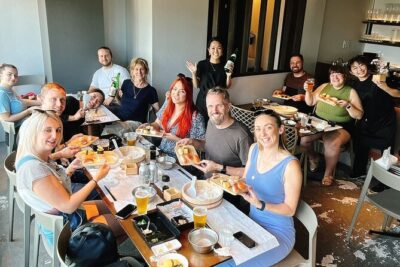 ★ 5.0Sushi Making Tokyo Roll and Authentic Japanese Sushi ClassFrom $593,971 reviews
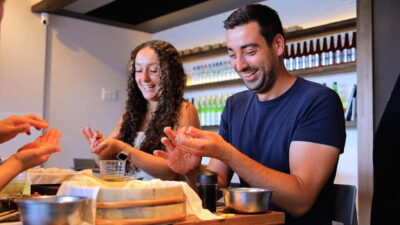 ★ 4.9Roll and Authentic Sushi Making Class in AsakusaFrom $581,957 reviews
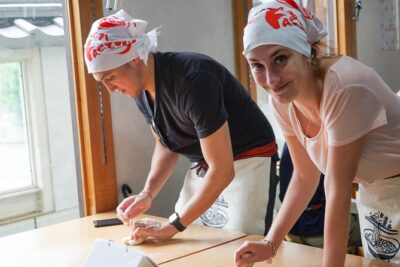 ★ 5.0Ramen Cooking Class at Ramen Factory in KyotoFrom $1311,937 reviews
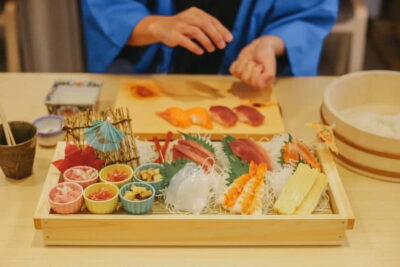 ★ 4.9Sushi Making Class in a Happi Coat near a Famous SpotFrom $421,377 reviews
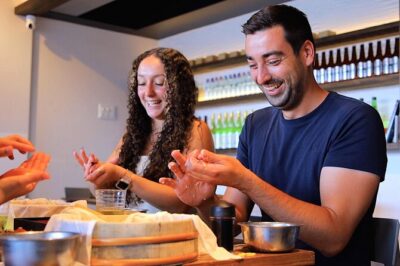 ★ 5.0Sushi Making Osaka Roll and Authentic Japanese Sushi ClassFrom $311,220 reviews
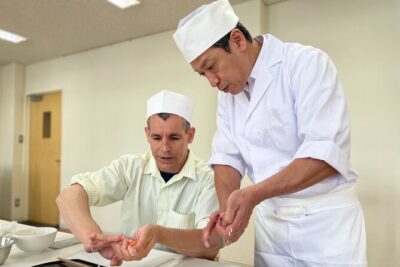 ★ 5.0Tokyo Sushi Making Class in Tsukiji with Professional ChefFrom $491,177 reviews
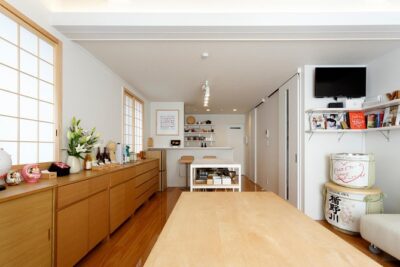 ★ 5.0Ramen & Gyoza Cooking Class in Tokyo with Local Supermarket VisitFrom $122823 reviews
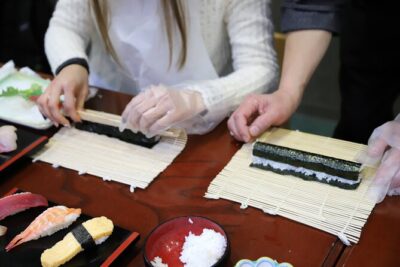 ★ 5.0Tsukiji Fish Market Guided Tour and Sushi Making with Pro ChefFrom $104775 reviews
Filed on these lists too