
REVIEW · JAPANESE COOKING CLASSES
Private Ramen or Gyoza Cooking Class in Kyoto with Chef Midori
Cooking Kyoto style feels like a home visit. In Chef Midori’s private studio near Gion, you get one-on-one guidance and you eat what you make at the end. The main catch is you’ll need to choose from the set menu options ahead of time, since the class is built around those selections.
Midori brings over 30 years of teaching experience, and she starts by welcoming you with tea before getting you to the basics Japanese home cooks rely on, like soy sauce, mirin, sake, and miso. The setup is relaxed, small, and conversation-friendly, so this works well if you want food tips beyond just a recipe. The address and meeting point are specific, so give yourself a little time to find the studio area by train.
In This Review
- Key things I’d plan around
- First impressions: a local cooking studio near Gion, not a food show
- Chef Midori’s teaching style and why the basics matter
- Choosing between set menus, including gyoza-style options
- What the 2 hours 30 minutes actually feels like
- Step-by-step flow: tea, ingredient prep, hands-on cooking, then dinner
- The “private” part: why it improves the quality of learning
- What you’ll learn you can repeat at home
- Dietary needs and the cat upstairs, handled calmly
- Location and getting there: near public transit, but still findable
- Price and value: $169 for a chef-led private meal plan
- Who should book this cooking class, and who might skip it
- Practical tips for your cooking day in Kyoto
- Should you book this private class with Chef Midori?
- FAQ
- How long is the cooking class?
- Where does the class take place?
- What is the price per person?
- Is this a private experience?
- Can I choose a vegetarian, vegan, kosher, or halal menu?
- What kinds of menus are available?
- Will we eat what we cook?
- Is there an animal in the home?
- Can I record the lessons?
Key things I’d plan around
- Private chef attention: it’s just your group, so questions do not get lost.
- Choose your set menu in advance: 5 options, with vegetarian and vegan choices.
- Tea, then technique: you start with essentials like soy, mirin, sake, and miso.
- Hands-on cooking plus guidance: the session blends live demo with you doing the work.
- Shared meal at the end: you sit down to taste what you cooked together.
- Dietary flexibility: kosher and halal options are available if you tell the host in advance.
Cook it yourself instead. Other kitchens in Kyoto
- Ramen Cooking Class at Ramen Factory in Kyoto
★ 5.0 · 1,937 reviews - Sushi Making in Kyoto! Same-day bookings welcome!
★ 5.0 · 713 reviews - Kyoto: Ramen Cooking Class at a Ramen Factory with Souvenir
★ 4.9 · 532 reviews - Kyoto: Ramen, Gyoza, and Onigiri Cooking Class
★ 5.0 · 445 reviews
First impressions: a local cooking studio near Gion, not a food show
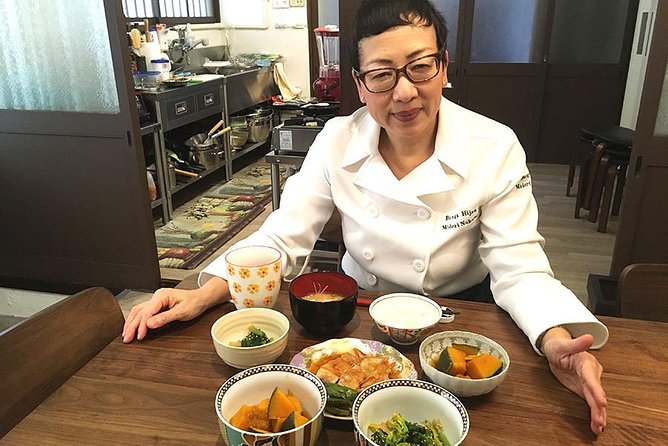
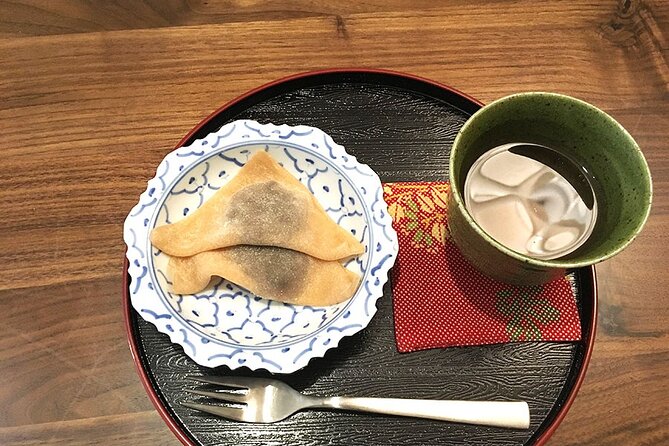
Kyoto is full of cooking experiences that feel like theater. This one feels like a friend invited you into her kitchen, except that friend is Chef Midori and she has the teaching stamina of someone who has been doing it for decades. You meet near Gion, in a home-style studio setting, and you start with a traditional cup of Japanese tea. That small ritual matters because it signals the tone: calm, personal, and focused on learning.
The lesson is private, meaning you are not squeezed into a crowded room or forced to follow a scripted routine. Instead, you get real conversation, plus the kind of nudges that help you fix a mistake while it is still fixable. I also like that the class includes a shared meal. That turns it from a quick cooking activity into a proper food experience you can savor.
One practical note: the studio address is specific, and the activity begins and ends at the meeting point. If you arrive late, you will feel it, because this is a timed class built around instruction and eating together.
Chef Midori’s teaching style and why the basics matter
Midori has been teaching Japanese cooking for more than 30 years, and you can feel that experience in how she explains flavors and workflow. She does not just hand you steps. She sets up the why behind the food, starting with core pantry ingredients that show up across Japanese cooking: soy sauce, mirin, sake, and miso.
That foundation is useful because it helps you recreate dishes later, even if you do not remember every detail. For example, once you understand how miso changes depth and how mirin softens and rounds flavors, you are not stuck cooking exactly one recipe forever. You start building confidence.
She also brings a warm personality into the room. The class is interactive, and the vibe is friendly, with humor and lots of room for questions. In plain terms, it is the kind of cooking lesson where you learn because you are actively doing, not because you are watching from the back row.
Choosing between set menus, including gyoza-style options
This experience is built around set menus, and you pick between five options when you book. You include your choice in the special requirements section, so plan your decision before your confirmation message lands.
The menu examples include options like:
- teriyaki chicken
- sushi
- tonkatsu
- Kansai street snacks, including gyoza, takoyaki, and okonomiyaki
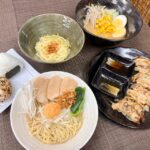
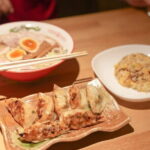
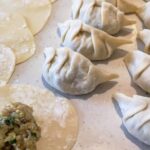
If your booking is the ramen or gyoza version, expect the lesson to focus on the kind of Japanese comfort food you actually want to eat, not something overly formal or hard to reproduce at home. Gyoza is especially fitting for a home class because you can learn the practical dumpling habits, like how to manage the pan and timing, without it turning into a food lab.
Here’s the decision tip I’d use: choose the menu you would most realistically cook again in your own kitchen. If you are a beginner, teriyaki or a familiar snack-style item can be a good starting point. If you enjoy rolling and forming, gyoza and similar snacks may feel more satisfying. If you want the most variety of tastes in one sitting, a menu that includes soup or dipping components can make the meal feel complete.
A bowl somewhere else in Kyoto
- Kyoto Ramen and Gyoza Cooking Class with Professional Chefs★ 5.0 · 282 reviews
- Home style Ramen and Homemade Gyoza in Kyoto★ 5.0 · 152 reviews
- Kyoto Michelin Ramen Workshop or Painting Ramen Essentials★ 4.9 · 100 reviews
- Kyoto Ramen Noodle Making Class★ 5.0 · 58 reviews
- Ramen Gyoza Onigiri Japanese Cooking Class in Kyoto★ 5.0 · 44 reviews
What the 2 hours 30 minutes actually feels like
The total duration is about 2 hours 30 minutes. The cooking itself is about 1.5 hours, then you share a meal to eat what you made.
That timeline matters for pacing. You are not racing through tasks while your stomach grows louder. You cook, you taste-test along the way as appropriate, and then you sit down and enjoy the final dishes. Midori also uses the meal time to share personal recommendations, including where to eat and where to shop for food and souvenirs in Kyoto.
So you come away with two wins:
- you learn a meal you can make again
- you leave with a short list of Kyoto places to keep your food day moving
If you are trying to schedule around other sights, treat this like an anchor block. Kyoto is easy to overstuff, but a cooking class is one of those activities where being calm makes it better.
Step-by-step flow: tea, ingredient prep, hands-on cooking, then dinner
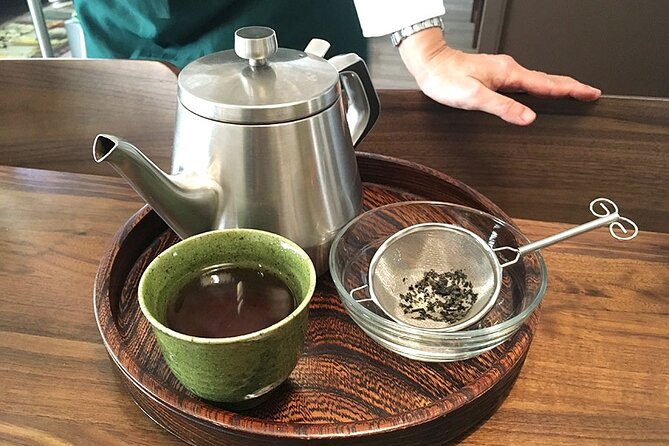
Your day inside the studio typically follows a clear rhythm.
First, you arrive and get welcomed with tea. That moment helps you settle in, especially if you have been walking around Kyoto all morning or bouncing between neighborhoods.
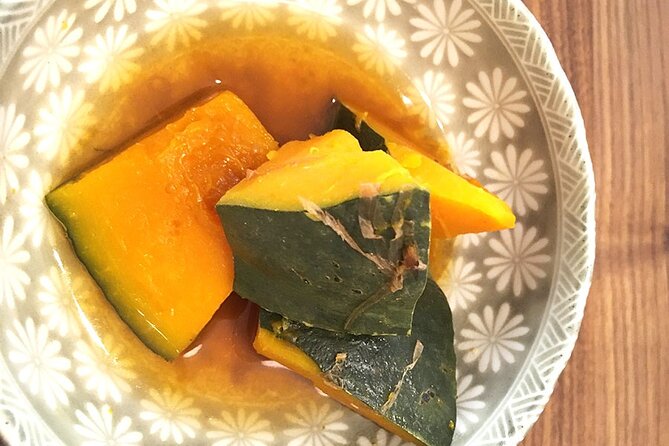
Next comes the ingredient setup. Midori introduces the key components behind your chosen menu, and you learn what each ingredient is doing in the dish. Then you start cooking. The format blends demonstration and hands-on work, so you are not just copying without context. You get guidance when something needs adjustment, and you can ask questions as you go.
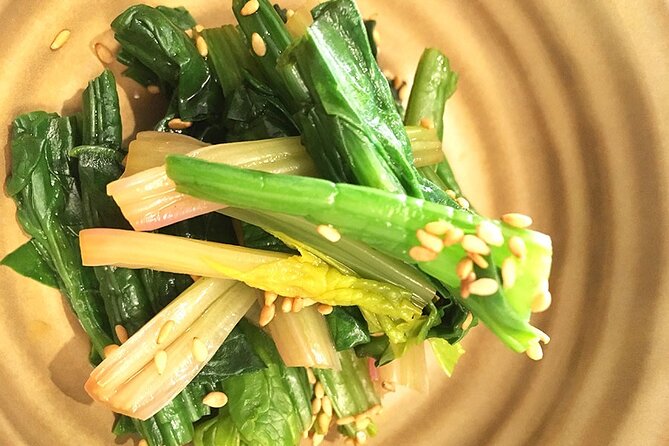
Finally, you eat together. This is not a quick tasting. It is a shared meal where you savor what you created. And during that meal, Midori shares her favorite local restaurant recommendations and insider tips, which is where the class becomes more than cooking. It turns into a small Kyoto briefing from someone who actually lives in the food world.
The “private” part: why it improves the quality of learning
Private lessons sound nice, but what you really feel is the time you get back. In a group class, you are often waiting for the instructor to finish talking, then waiting again while they help someone else. Here, Midori can focus on your questions, your pace, and your comfort level.
That matters if:
- you are comfortable asking questions
- you want to know which ingredient swaps work (and which do not)
- you learn better with specific, step-by-step feedback
It also helps on dietary needs. You can discuss requirements before the class so Midori can accommodate vegetarian, vegan, kosher, or halal options if you tell the host in advance.
One more practical perk: Midori provides personalized attention for your group. That also means she can tailor the shopping and restaurant tips to what you actually like, instead of handing out generic suggestions.
What you’ll learn you can repeat at home
Even without getting too technical, you can expect to leave with usable skills. Midori’s focus on home-style cooking means the recipes are designed to work in real kitchens, not just professional setups.
From the way she teaches the essentials, you can take away:
- how soy sauce, mirin, sake, and miso work together
- how to think about seasoning balance
- how to approach simple recipes with seasonal ingredients
In at least one class experience, participants also highlighted that Midori gives very specific shopping advice tied to the dishes you choose. That is the part I value most, because buying the right ingredients is where many home cooks get stuck.
If you want to turn this class into a souvenir, your goal should be to learn which flavors you want to replicate, and which ingredients you need to prioritize when you shop later.
Dietary needs and the cat upstairs, handled calmly
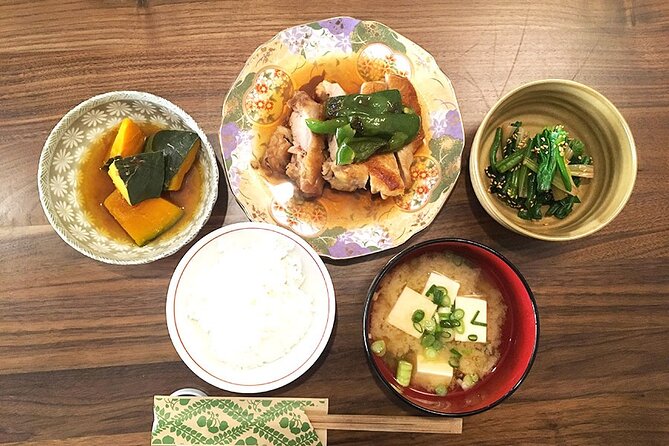
This class is designed to accommodate dietary restrictions. Vegetarian and vegan options are available, and kosher and halal options are also possible if you advise the host during booking. If you have allergies, you should still communicate details clearly during the booking step, since the only way the kitchen can adapt is if the right information arrives early.
There’s also a cat in the home, but it remains upstairs during the class and does not enter the kitchen or dining area. That’s good to know if you prefer an environment without surprises.
The overall feel is that dietary changes are normal here. The studio format makes it easier to adapt, compared with venues that have one fixed menu for everyone.
Location and getting there: near public transit, but still findable
The studio is near Gion, and it is described as near public transportation. That helps because Kyoto can be spread out, and you do not want to burn time on long walks right before a cooking class.
Your meeting point is listed at a specific address in Kyoto, Shimogyo Ward, Chūdōji Mibukawachō. The activity ends back at the meeting point, so you are not stuck navigating a new area after you finish eating.
If you are planning your day, I’d treat the class as your “closed loop” moment. Do your shopping and sightseeing around it, not before it, especially if you’re still trying to get your bearings.
Price and value: $169 for a chef-led private meal plan
At $169 per person, this is not a budget activity. But you are paying for real things that add value.
You’re not only paying for recipes. You’re paying for:
- a private lesson just for your group
- the expertise of Chef Midori, with 30+ years of teaching experience
- hands-on cooking help plus live demonstration
- a shared meal at the end
- personalized recommendations for restaurants and where to shop in Kyoto
In other words, you are buying time with a skilled teacher and you are getting an entire dining experience from it. If you love Japanese food and you want to return to your hotel with both dinner knowledge and a full stomach, it can feel like good value.
If you are traveling with limited interest in cooking, or you only want a quick taste without learning, then you might question whether the price matches your style. But if you enjoy cooking at home, this is the kind of class that can pay off later, every time you cook soy-mirin-miso flavors correctly.
And one more point on practicality: the experience is designed for mobile ticket use, and confirmation is received at booking. That reduces last-minute uncertainty.
Who should book this cooking class, and who might skip it
Book it if you:
- want a Japanese meal lesson that feels personal and not crowded
- enjoy hands-on cooking and asking questions
- care about dietary accommodations, including vegan or kosher/halal
- want Kyoto food recommendations from someone local
It might not be the right match if you:
- only want sightseeing and do not want a scheduled activity
- get uncomfortable with home-style settings
- prefer very structured, large-scale food tours over intimate chef time
The sweet spot is couples, families, and small groups. It is also a strong choice for people who want to learn a small set of reliable techniques they can repeat.
Practical tips for your cooking day in Kyoto
Before you go, decide which menu option you actually want to cook. Because the class is built around the set menu, picking carefully matters. If you are torn, choose the dish you would most likely recreate at home, or the one that matches what you like to eat on a regular day.
Also, plan to eat. You cook for about 1.5 hours, then you share the meal. If you are the type who schedules a class right after a big lunch, you might feel too full to enjoy everything.
Finally, bring your curiosity. Midori is known for giving specific shopping and Kyoto recommendations, so if you tell her what foods you like, you can get ideas for your next meals and where to pick up ingredients or small food gifts.
If your schedule is tight, choose a time slot that lets you arrive relaxed. A class like this rewards calm attention more than rushing.
Should you book this private class with Chef Midori?
If Japanese food is a priority for your Kyoto trip, I think you should book this. The reason is simple: it is private, you cook in a small studio setting, and you eat what you make. Chef Midori’s teaching approach starts with the basics, so you leave with techniques and flavor knowledge that are more useful than a one-time tasting.
Skip it only if your trip is packed with other activities and you do not want a scheduled, kitchen-centered block. Also, if you know you hate cooking or you want zero instruction and just wandering, look for a different food plan.
Otherwise, this is one of those experiences where the value is not only dinner. It is the coaching you can use again at home, plus a Kyoto food map shaped by a real chef.
FAQ
How long is the cooking class?
The experience lasts about 2 hours 30 minutes total. The cooking portion is about 1.5 hours, followed by a shared meal.
Where does the class take place?
It takes place in a local cooking studio in Kyoto near Gion. The meeting point address is listed in Kyoto, Shimogyo Ward, Chūdōji Mibukawachō.
What is the price per person?
The price is $169.00 per person.
Is this a private experience?
Yes. It is private, and only your group will participate.
Can I choose a vegetarian, vegan, kosher, or halal menu?
Yes. Vegetarian, vegan, kosher, and halal options are available. You need to advise the host at booking so the chef can accommodate your needs.
What kinds of menus are available?
You choose from 5 set menu options. Examples include teriyaki chicken, sushi, tonkatsu, and Kansai street snacks like gyoza, takoyaki, and okonomiyaki.
Will we eat what we cook?
Yes. After the cooking demonstration and hands-on work, you share a meal and enjoy the dishes you helped create.
Is there an animal in the home?
A cat resides in the home but stays upstairs during the class and does not enter the kitchen or dining area.
Can I record the lessons?
In at least one past experience, Midori allowed participants to record the lessons for later use.
One More Bowl
Kitchens You Can Book Into
Newest Kyoto write-ups from the Loving Japan desk

Japanese Cooking Classes, side by side.
 ★ 5.0Sushi Making Tokyo Roll and Authentic Japanese Sushi ClassFrom $593,971 reviews
 ★ 4.9Roll and Authentic Sushi Making Class in AsakusaFrom $581,957 reviews
 ★ 5.0Ramen Cooking Class at Ramen Factory in KyotoFrom $1311,937 reviews
 ★ 4.9Sushi Making Class in a Happi Coat near a Famous SpotFrom $421,377 reviews
 ★ 5.0Sushi Making Osaka Roll and Authentic Japanese Sushi ClassFrom $311,220 reviews
 ★ 5.0Tokyo Sushi Making Class in Tsukiji with Professional ChefFrom $491,177 reviews
 ★ 5.0Ramen & Gyoza Cooking Class in Tokyo with Local Supermarket VisitFrom $122823 reviews
 ★ 5.0Tsukiji Fish Market Guided Tour and Sushi Making with Pro ChefFrom $104775 reviews
Filed on these lists too