
REVIEW · JAPANESE CRAFT AND CALLIGRAPHY WORKSHOPS
Sekka Cotton Furoshiki Class
Color appears from folded cloth. The Sekka cotton furoshiki class at the Kyoto Shibori Museum is a focused craft lesson in Kyoto, where you dye your own cotton wrapping cloth using the sekka shibori method, then you use the waiting time to see shibori exhibits. It is simple, hands-on, and very Kyoto in the best way.
I love two things most. First, the private lesson is just for your party, so the folding and dyeing steps get clear attention. Second, you leave with a finished souvenir you made yourself, a practical furoshiki you can actually use.
One possible drawback to consider: the dyeing and folding steps can feel a bit structured, so if you want lots of improvising, this may feel more guided than experimental.
In This Review
- Key highlights worth your attention
- Sekka shibori furoshiki, and why the end result feels special
- Kyoto Shibori Museum, what the setting gives you
- From choosing color to using two boards, the lesson flow
- Drying time turns into a mini museum visit you can actually use
- The shop on site, and how to handle souvenir temptation
- Price and value, what $43.35 buys you in Kyoto
- What to expect, timing, and how to plan your day
- Who this class fits best (and who might want a different kind of workshop)
- Practical tips before you go
- Cancellation and flexibility, kept simple
- Should you book Sekka cotton furoshiki class?
- FAQ
- How long is the Sekka Cotton Furoshiki class?
- Is this class private?
- What will I make during the lesson?
- Do I take the furoshiki home?
- What happens while the fabric is drying?
- Where is the meeting point?
- Is it easy to participate if my Japanese is limited?
- What is the price per person?
- What ticket type do I receive?
- Is there a cancellation deadline?
Key highlights worth your attention
- A 1-hour experience built around making, then museum time so your schedule stays productive
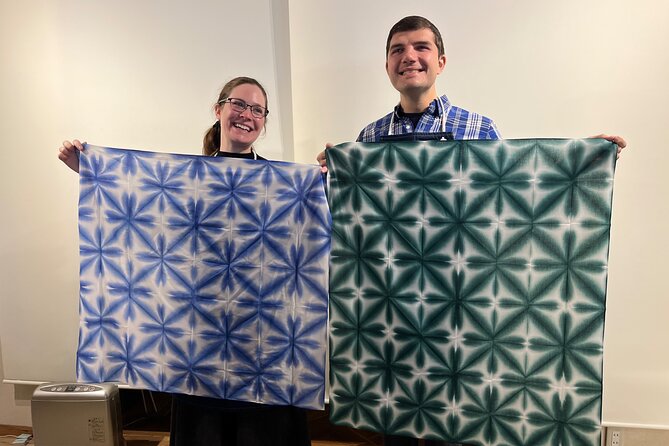
- You create an 86 cm x 89 cm cotton furoshiki using the sekka shibori method
- Private, exclusively for your party instruction with hands-on step-by-step guidance
- Museum browsing while your fabric dries gives you context for what you are doing
- A shop on site for shibori goods and extra fabrics, so bring a bit of extra money if you like textiles
Make something to take home. Other workshops
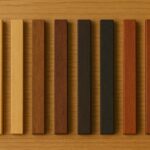
- Kyoto : Chopsticks Making Workshop in Gion with Engraving Option
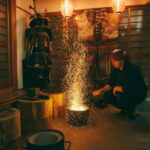
★ 5.0 · 958 reviews - Authentic knife making experience at a blacksmith in Kyoto
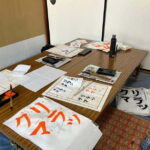
★ 4.8 · 350 reviews - Kyoto: Calligraphy class at Buddhist temple in city center
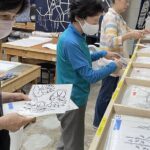
★ 5.0 · 167 reviews - Roketsu dyeing experience: M course Roketsu Dyeing Experience
★ 5.0 · 163 reviews
Sekka shibori furoshiki, and why the end result feels special
This class is about one clear goal: make a cotton furoshiki, a wrapping cloth, with the sekka shibori style. You are not just learning a theory. You are folding fabric in a specific way, dyeing it, and getting a finished textile piece out of it.
The size also matters for the value. You work with an 86 cm x 89 cm piece, which is large enough to feel like a real furoshiki, not a tiny craft project. That gives you more options when you use it back home, from gift wrapping to organizing to a simple cloth you keep for future travel.
And because it is sekka shibori, the look is tied to Japanese technique. The pattern comes from the way the cloth is folded and restrained before it meets dye. That means the craft is part physics and part art, which makes the process more satisfying than a class where the decoration is already planned.
Kyoto Shibori Museum, what the setting gives you
You meet at the Kyoto Shibori Museum, 135-5 Shikiamichō, Nakagyo Ward, Kyoto (and the activity ends back at the same meeting point). It is near public transportation, which is handy in Kyoto, where timing and transfers can make or break your day.
This experience is run as a private activity, exclusively for your party. That changes the tone. You are not squeezed into a big group line where you only get a quick glance at the steps. Instead, you can ask questions and get the kind of attention that helps you finish with confidence.
Most people find it straightforward to participate. The experience is described as suitable for most travelers, which is good news if your Japanese is basic. You will still be relying on the instructor’s direction for the folding and dyeing steps, but the lesson is built around visuals and hand movements, not language puzzles.
The museum itself is not just a backdrop. It becomes part of the timing, because while your fabric dries, you get to look around.
From choosing color to using two boards, the lesson flow
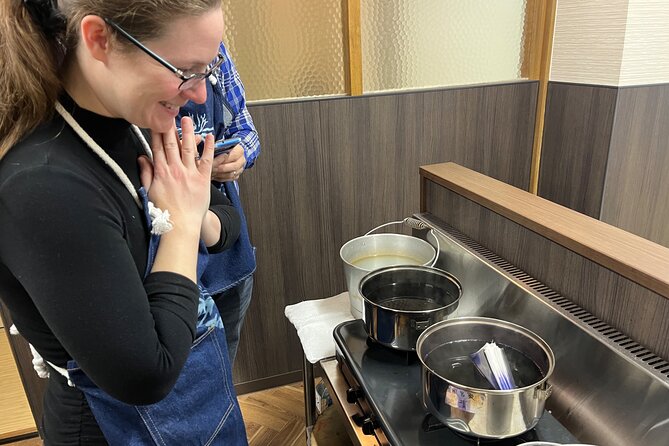
The dyeing class runs about 30 to 60 minutes per session, and the overall experience is about 1 hour including the museum time. You start by picking your favorite color. That choice is simple, but it matters because the whole piece will reflect what you decided at the beginning.
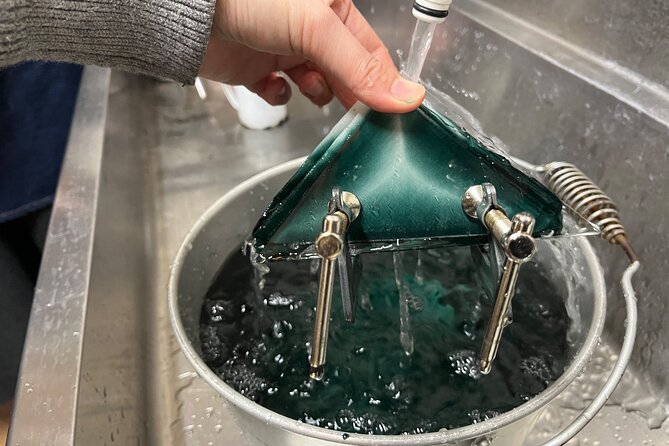
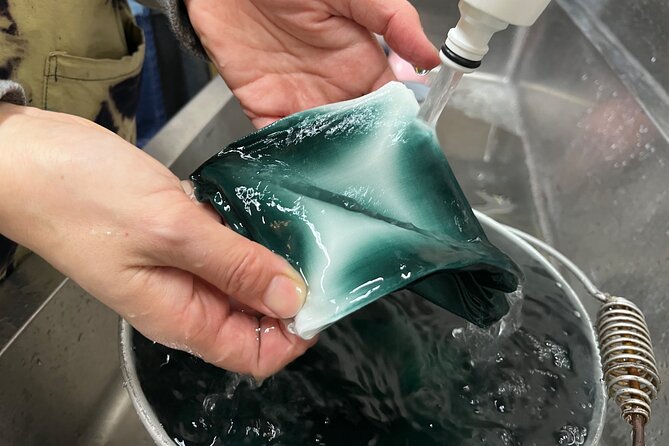
Then comes the core technique: you fold the cotton fabric in a particular way. After that, the folded fabric goes between two boards. The boards help shape and control how the dye interacts with the cloth, which is why this method produces that characteristic shibori look.
Once the fabric is positioned, you dye it. The activity is designed so you leave with your own completed cotton furoshiki, not a project you have to take home unfinished. That is a big quality-of-life factor in a city full of half-finished crafts that require later pickup.
After the dye step, you wait while it dries. Expect roughly 30 minutes of drying time, and that waiting is planned, not wasted.
- PERFECT KYOTO 1-Day Bus Tour★ 5.0 · 13,518 reviews
- Kyoto: Fushimi Inari, Kinkakuji, Bamboo Grove 1 Day Bus Tour★ 4.8 · 4,316 reviews
- Kyoto: Tea Ceremony in a Traditional Tea House in Kiyomizu★ 4.9 · 3,519 reviews
- Kyoto: Tea Ceremony Ju-An at Jotokuji Temple★ 4.9 · 3,207 reviews
- Kyoto: 45-Minute Tea Ceremony Lesson Experience★ 4.3 · 2,378 reviews
Drying time turns into a mini museum visit you can actually use
This is one of the smartest parts of the experience. You dye, then you wait, and instead of sitting around, you get a tour and browse the exhibits.
The museum experience is hands-on for your eyes. You can view shibori art pieces, tools, and samples. There is also an educational video described in the experience details, which helps you understand what you are looking at before you get lost in the beauty of it.
A common theme in feedback is how much people enjoy spending time upstairs in the museum during the drying period. That is your chance to see how shibori is represented in art and craft, not just as one technique in one class.
If you like textiles, this museum time can be the difference between a good workshop and a memorable Kyoto moment. You finish the class not only with a finished cloth, but with context for why that cloth looks the way it does.
The shop on site, and how to handle souvenir temptation
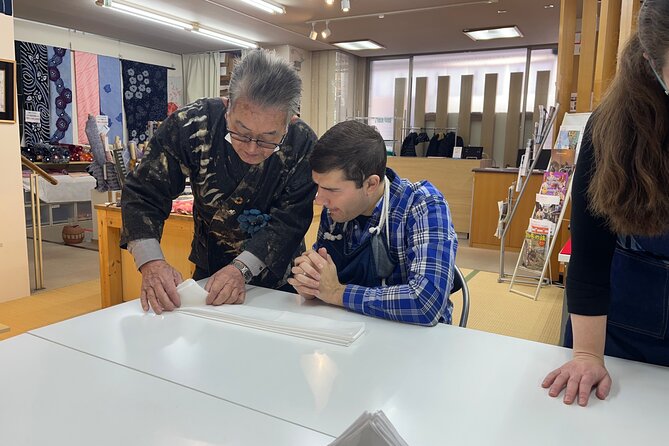
You can also visit the museum shop during this time. It sells shibori items, souvenirs, and fabrics.
This is where planning helps. The class gives you one finished furoshiki, but the shop is full of tempting extra pieces. If you want more than one textile item, you might consider bringing extra money, because you may see things you cannot easily find elsewhere.
A practical way to shop smarter: decide early if you want to focus on one or two shop purchases, then use your museum browsing time to compare. That keeps you from impulse-buying on an emotion high.
Also, remember you are already carrying your own newly dyed cloth. Buying additional textiles is totally doable, but you will want to think about how you will store everything after your lesson.
Price and value, what $43.35 buys you in Kyoto
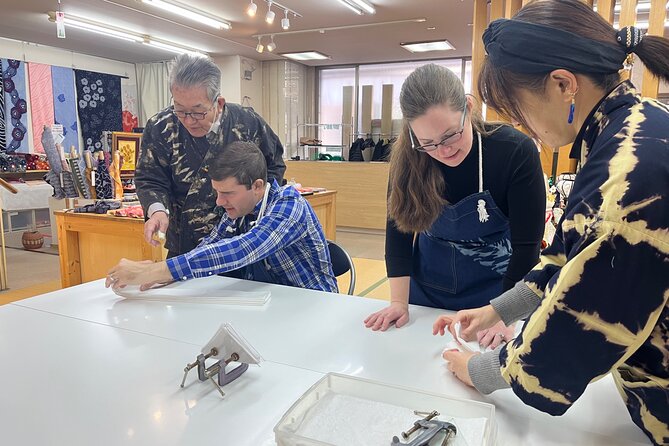
At $43.35 per person, this class is priced for a genuine hands-on craft experience, not a quick demo. You are paying for (1) private instruction for your party, (2) the specific sekka shibori technique setup using boards, and (3) the fact that you leave with a finished furoshiki.
The biggest value lever here is that you get both making time and meaning time. The museum visit is part of the pacing, so you are not just filling time while your project dries. You get to connect the steps you did with what you see in the exhibits.
There is also value in the finished size. Since the cloth is 86 cm x 89 cm, it feels like a usable souvenir instead of a small keepsake. That alone makes the price feel more reasonable compared with workshops that produce something too small to matter.
If your budget is tight, you will still get a lot out of the experience. If you are a textile fan, you may end up spending more at the shop, but you are spending on something you already learned to appreciate in the museum.
What to expect, timing, and how to plan your day
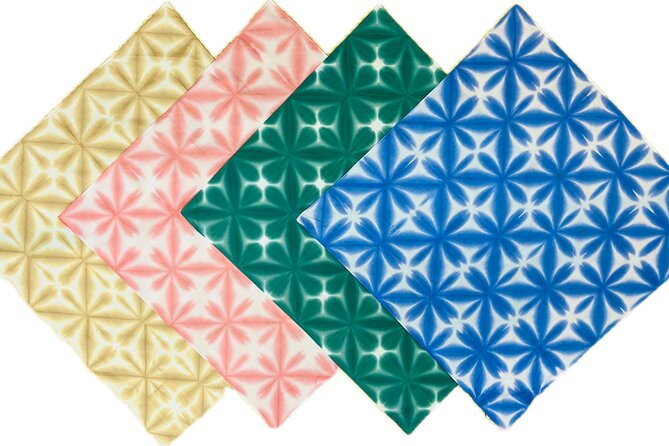
Plan for a roughly 1 hour experience overall. Within that, the dyeing craft is described as usually taking 30 to 60 minutes per class, with about 30 minutes for drying.
This timing is also good for Kyoto day structure. You can slot it between other activities without losing half your afternoon to waiting. It is not an all-day commitment, which matters if you want flexibility to see temples and neighborhoods too.
Because it is near public transportation, you can plan your route without too much stress. Still, give yourself a little buffer. Kyoto streets can be slow walking, and you will likely want a minute or two to find the exact meeting spot.
You get confirmation at the time of booking, and the activity uses a mobile ticket, which makes it easier to keep everything organized.
Who this class fits best (and who might want a different kind of workshop)
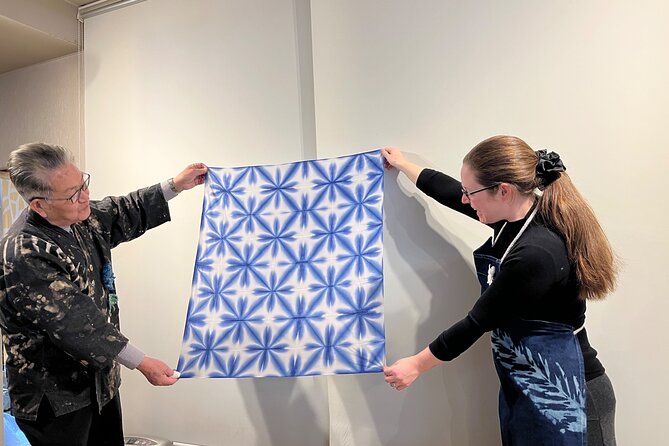
This is a great fit if you want a hands-on Kyoto activity that feels traditional and personal. The private setup works well for couples, friends, and families, especially if you want your questions answered directly during the folding and dyeing steps.
It also fits teens and older kids, because the process is tangible. You can see the pattern forming from the moment the cloth is folded and restrained. People who like crafts often find the museum pieces afterward especially rewarding, since you have a new lens for what shibori is.
If you want highly experimental art freedom, there is a chance you may feel the process is a bit standardized. The craft steps are taught in a clear way, which is good for results, but it can limit how much your project deviates from the method.
Still, even in that case, the result is the point. You are still learning a traditional technique and leaving with a real furoshiki.
Practical tips before you go
You do not need special prep beyond showing up and paying attention during the color choice and folding steps. But a few practical habits help you get the most out of the hour:
- Wear comfortable clothes you do not mind getting dye-related stains on if anything transfers accidentally.
- Move slowly during the board and folding steps. Careless handling can make it harder to replicate the technique.
- If you are a souvenir shopper, keep a bit of extra budget available for fabrics and shibori goods in the shop.
- Use the museum time intentionally. Look at tools and samples while the lesson steps are still fresh in your mind.
If you are traveling with family, treat it like a mini itinerary inside Kyoto. One part is making. One part is learning by looking. That pacing works better than trying to sprint through museum stops after a crafts session.
Cancellation and flexibility, kept simple
This experience offers free cancellation up to 24 hours in advance for a full refund. If you cancel less than 24 hours before the start time, the amount paid is not refunded. Planning a bit ahead is the safest way to protect your schedule.
Should you book Sekka cotton furoshiki class?
Book it if you want a traditional Kyoto craft you can finish inside one focused session. You get the payoff of a made-by-you furoshiki, and the museum component gives meaning to the technique. The private format is also a big quality-of-life upgrade over crowded group workshops.
Skip it or consider alternatives if you are chasing a very free-form art style. This class is about learning and producing a specific technique, so it is not the place to expect lots of creative chaos.
If you love textiles, you will likely enjoy the full arc: fold, dye, then see shibori in a museum setting while your cloth dries. It is a small commitment with a memorable result, and in Kyoto, that is a rare combo.
FAQ
How long is the Sekka Cotton Furoshiki class?
The experience is about 1 hour (approx.). The dyeing craft portion is usually 30 to 60 minutes per class, with about 30 minutes for drying.
Is this class private?
Yes. It is a private tour/activity, exclusively for your party.
What will I make during the lesson?
You will dye a cotton furoshiki (wrapping cloth) using the sekka shibori method. The cloth size is listed as 86 cm x 89 cm.
Do I take the furoshiki home?
Yes. You end the lesson by leaving with your dyed cotton furoshiki as a souvenir of your trip to Kyoto.
What happens while the fabric is drying?
While the fabric dries, you can learn more about shibori and browse displays and art pieces in the museum. There is also a museum shop you can visit.
Where is the meeting point?
You meet at Kyoto Shibori Museum, 135-5 Shikiamichō, Nakagyo Ward, Kyoto, 604-8261, Japan. The activity ends back at the same meeting point.
Is it easy to participate if my Japanese is limited?
Most travelers can participate, and the class is built around hands-on steps and museum visuals. You will receive instruction on folding and dyeing.
What is the price per person?
The price is $43.35 per person.
What ticket type do I receive?
This activity uses a mobile ticket.
Is there a cancellation deadline?
Yes. You can cancel for a full refund up to 24 hours in advance of the experience start time. Cancellation is free up to that point.
Made by Hand, and Yours to Keep
Newest Kyoto write-ups from the Loving Japan desk
Japanese Craft and Calligraphy Workshops, side by side.
 ★ 5.0Tokyo Shinjuku Chopsticks Making ClassFrom $201,763 reviews
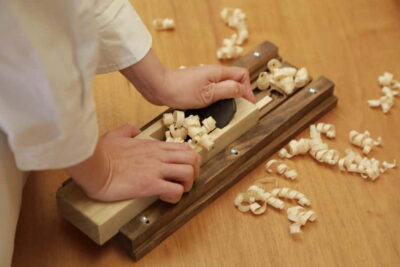 ★ 4.8Chopstick Making Workshop in GinzaFrom $251,366 reviews
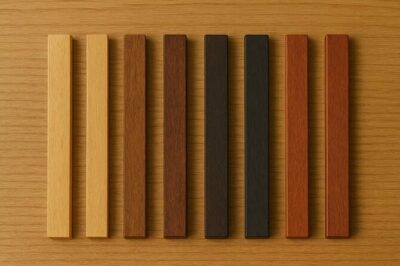 ★ 5.0Chopsticks Making Workshop in Gion with Engraving OptionFrom $15958 reviews
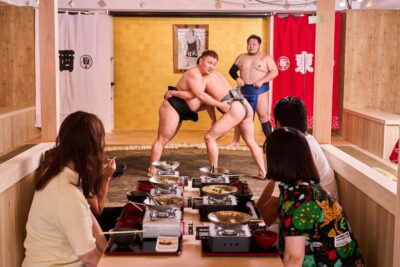 ★ 4.8Tokyo Sumo Experience: Chanko & Mochi with a Former ProFrom $103567 reviews
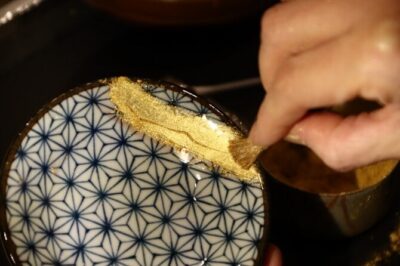 ★ 5.0Kintsugi Experience: Art of Golden Joinery in TokyoFrom $59467 reviews
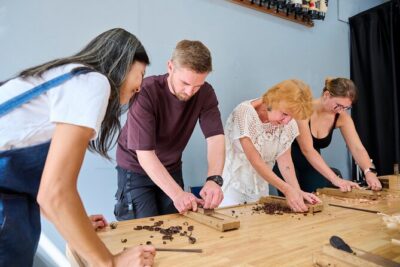 ★ 5.0Tokyo Chopstick Making Workshop with ArtisanFrom $26466 reviews
 ★ 4.9Matcha Making Experience with Mochi Sweets in AsakusaFrom $22388 reviews
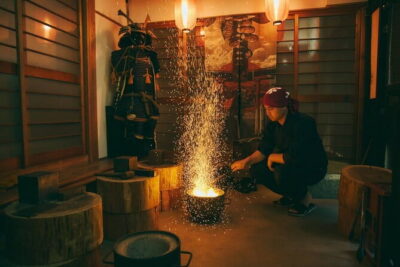 ★ 4.8Authentic knife making experience at a blacksmith in KyotoFrom $154350 reviews
Filed on these lists too