
REVIEW · KYOTO TEA CEREMONIES AND MATCHA
Tokyo: Practicing Zen with a Japanese Tea Ceremony
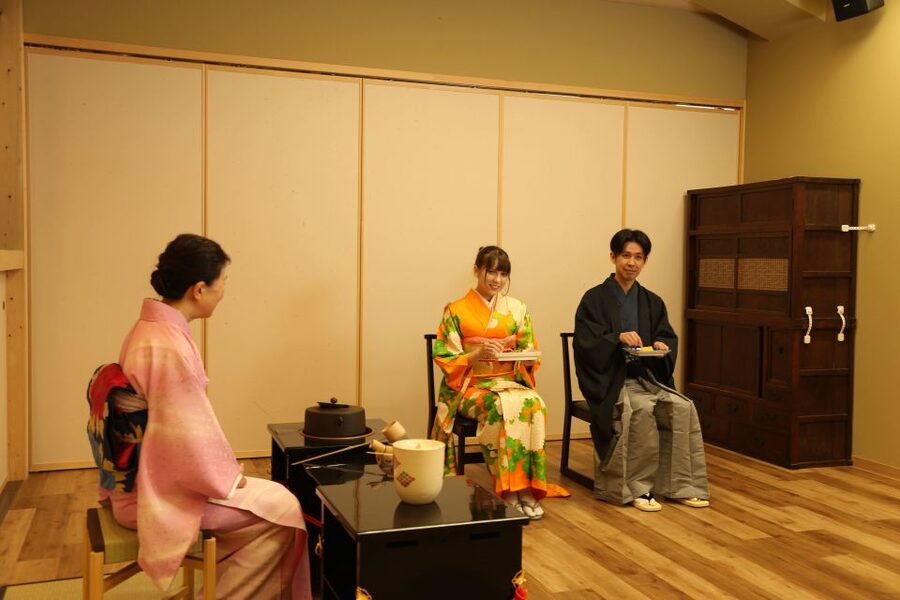
Matcha turns minutes into mindfulness. In a small group near Tokyo Tower, you practice a traditional Japanese tea ceremony and learn how Zen shows up in the art, manners, and meaning of it. I love the fact that you do more than watch, you actually conduct a second tea ceremony with guidance. I also like how your instructor connects the ritual to Zen Buddhism, not just the steps.
One thing to consider: the class asks for quiet, and the room can share space with other activities, so you may hear some noise even while trying to stay calm.
In This Review
- Key Points Before You Go
- Entering Kikai Shinko Kaikan, Right Opposite Tokyo Tower
- Zen Tea in 75 Minutes: The Flow of the Ceremony
- Matcha and Japanese Sweets Pairing: More Than a Snack
- Learning the Tea Ceremony Moves That Actually Matter
- Zen Buddhism, Japanese Art, and Architecture: The Meaning Behind the Manners
- Comfort and Practical Rules: Sitting, Sound, and Being Able to Participate
- Price and Value: Is $63 Worth 75 Minutes?
- Who This Zen Tea Ceremony Suits Best
- Should You Book This Zen Tea Ceremony Near Tokyo Tower?
- FAQ
- Where is the meeting point for the tea ceremony?
- How long does the experience take?
- Is the tea ceremony taught in English?
- What is included in the $63 price?
- Is transportation included?
- Is it suitable for young children?
- Can I participate if I cannot sit on the floor?
Key Points Before You Go
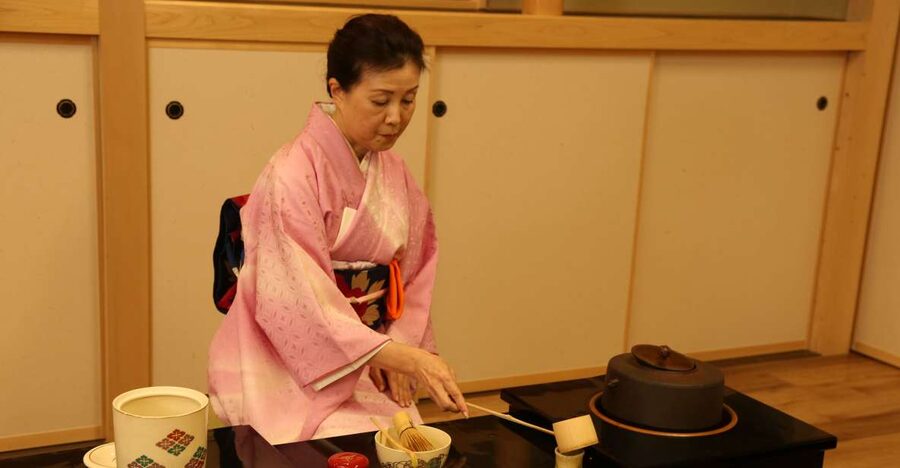
- Hands-on practice: after the first ceremony, you run the second one yourself with expert support
- Zen explained through Japanese culture: you’ll hear how Zen Buddhism fits the ceremony and everyday life
- Matcha plus traditional sweets: you taste the pairing, then learn how the ritual shapes the experience
- Comfort matters: wheelchair accessible, plus seats for guests who prefer not to sit on the floor
- Small group size: capped at 10 participants so you can see the movements clearly
- English instruction: your instructor teaches in English
Sit down somewhere quieter. Other tea rooms we booked
- Matcha Making Class in Tokyo with Authentic Japanese Sweets Set
★ 5.0 · 744 reviews - Tokyo: Traditional Tea Ceremony with a Tea Master
★ 5.0 · 528 reviews - Tokyo: Matcha Making Experience with Mochi Sweets in Asakusa
★ 4.9 · 388 reviews - Tokyo: Matcha and Kimono Experience
★ 4.7 · 219 reviews
Entering Kikai Shinko Kaikan, Right Opposite Tokyo Tower
The meeting point is the Kikai Shinko Kaikan building, 1st floor main entrance. The building sits right opposite Tokyo Tower, so it’s an easy landmark to pin to your day.
When you arrive, look for your instructor at the main entrance. If you can’t find them, there’s a backup spot: True Japan Tour, Room B109 on the B1 floor inside the same building. I like having that second location, because in Tokyo, tiny details like which floor and which doorway can matter more than you’d expect.
The setting is practical. This is not a stuffy lecture. It’s set up for instruction, watching close-up, and then doing it yourself. That matters, because the tea ceremony is all about small, intentional actions.
Zen Tea in 75 Minutes: The Flow of the Ceremony
This is a 75-minute experience, and the structure is simple in the best way: observe first, then practice.
Here’s the rhythm you should expect:
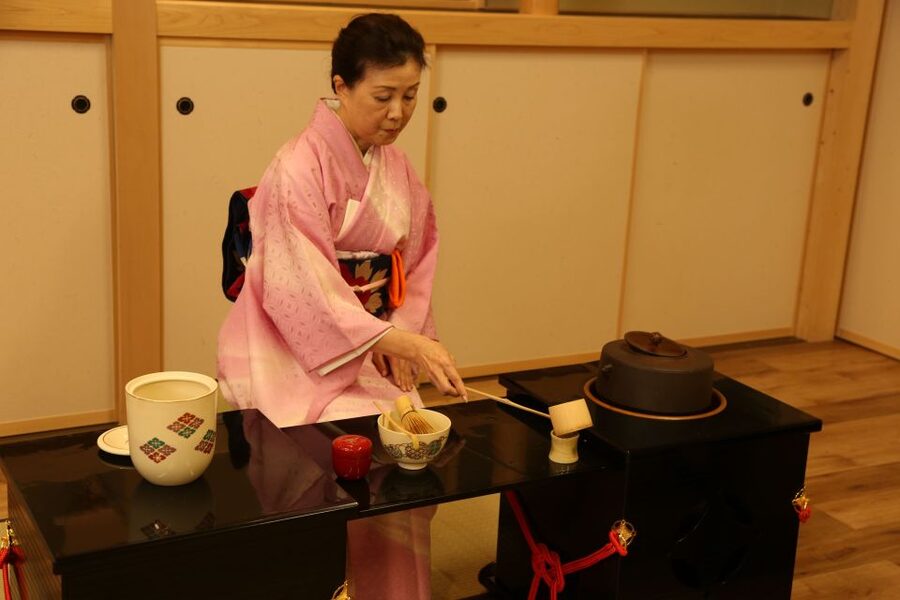
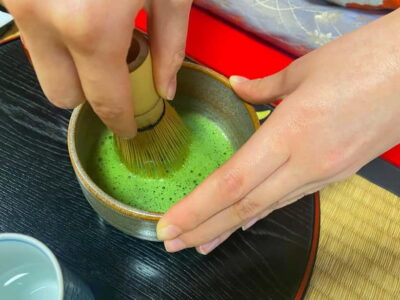
First, you watch your instructor prepare matcha and perform the ceremony movements. You’re not just looking at a performance, you’re learning why the actions are done a certain way. The focus is on discipline and attention, the kind of calm that Zen talks about.
Then you taste what you’ve just learned. You’ll enjoy traditional Japanese confection, specially paired with green tea. Before you take the next step, the instructor explains the utensils and the key aspects of the ceremony, so your attempt later is more informed than guesswork.
Finally, you conduct a tea ceremony yourself. It’s guided, so you’re not thrown into the deep end. The whole point is that you leave able to repeat the basics with confidence, not just able to tell a story about tea.
Because the session is compact, there’s a lot of content in a short time. That can feel wonderfully focused, but it also means the Zen angle is taught as essential ideas and practice, not a long, drawn-out course.
Matcha and Japanese Sweets Pairing: More Than a Snack
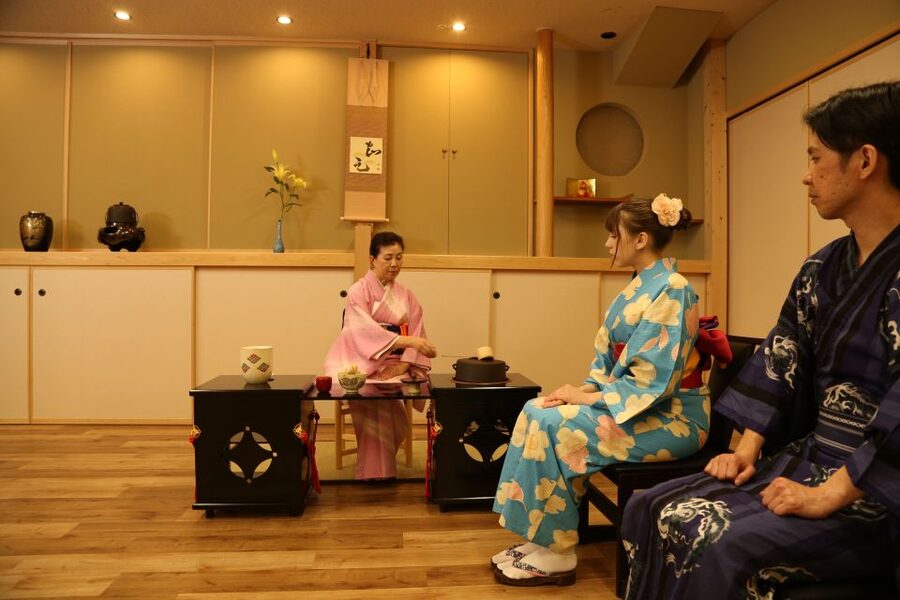
This experience is designed around taste, and not just as a payoff at the end. You get traditional Japanese sweets paired with green tea, and you learn how that pairing fits the ceremony.
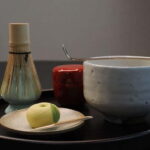
Matcha is the star. You’ll watch how it’s prepared, then you’ll drink it as part of the ritual itself. That small shift, from coffee break to ceremony, changes the whole feel. Instead of rushing through a sip, you slow down enough to notice texture and aroma.
The confection is equally important. The sweet is traditional, and it’s paired to complement the green tea. That pairing reinforces something Zen often emphasizes: attention to the moment. You’re tasting something specific, in a specific context, and that context is the lesson.
If you’re used to food experiences where you get one mouthful and move on, this will feel different. The tasting is part of the teaching, and you’ll likely remember how the session was paced, not only that you had matcha.
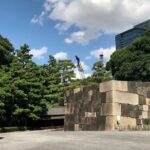
Slower gardens, if the schedule allows
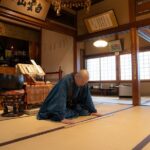
- Tokyo: Zen Meditation at a Private Temple with a Monk★ 5.0 · 510 reviews
- Imperial Palace East Garden and Edo Castle Walking Tour in Tokyo★ 5.0 · 510 reviews
- Tokyo: Imperial Palace East Gardens Walking Tour★ 4.8 · 353 reviews
- Tokyo Castle, Imperial Palace, Shogun & Garden Walking Tour★ 5.0 · 211 reviews
- Tokyo Zen Meditation at Private Temple with Monk★ 5.0 · 178 reviews
Learning the Tea Ceremony Moves That Actually Matter
A tea ceremony can look elegant and confusing from the outside. Here, you’re taught the process in a way that connects motion to meaning.
You’ll learn the intricate practices of the ceremony by watching your instructor, then copying the movements with guidance. That hands-on portion is a big deal for your value for money, because you’re not paying for entertainment, you’re paying for coaching.
Your instructor also explains the role of the utensils used in the ceremony. Even without seeing every detail of the tradition, you’ll come away understanding that the tools are part of the discipline. You’re learning that the ritual is built from small actions, done carefully.
One more point: there’s a rule about making noise. That’s not just about manners. In practice, it helps the room stay focused while you’re learning. If you come in expecting to chat the whole time, you’ll feel uncomfortable fast.
Zen Buddhism, Japanese Art, and Architecture: The Meaning Behind the Manners
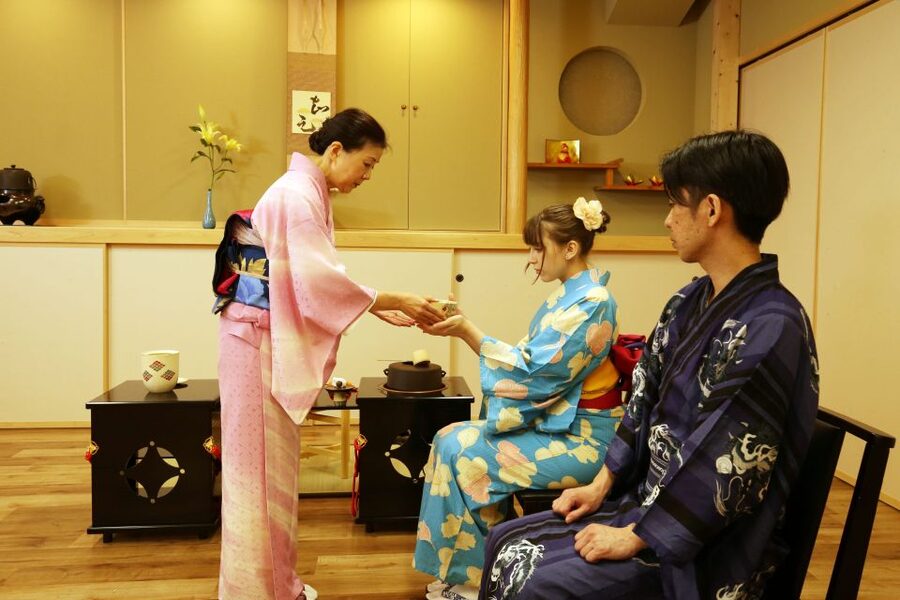
This is where the experience goes beyond matcha.
You’ll learn about the spirit of Zen expressed through Japanese art and architecture, and you’ll hear more about Zen Buddhism and its role in this practice. The point is not to turn you into a scholar. It’s to help you understand why the ceremony has its particular tone, pace, and respect.
The tea ceremony is connected to Zen in the way it trains attention. You’re taught that the ritual supports calm, patience, and presence. Even the careful sequencing encourages you to slow your mind down to match the body.
I also like that the explanation covers how tea ceremony practice fits into certain parts of Japanese society. It’s not only a private ritual. It’s part of culture, with meaning that continues in modern times.
In past sessions led by tea masters like Junko, Ken, and Midori, the teaching style has been described as caring and step-by-step. Even if your instructor’s name differs, the teaching approach is consistent: clear English, calm direction, and enough context so the ceremony makes sense.
Comfort and Practical Rules: Sitting, Sound, and Being Able to Participate
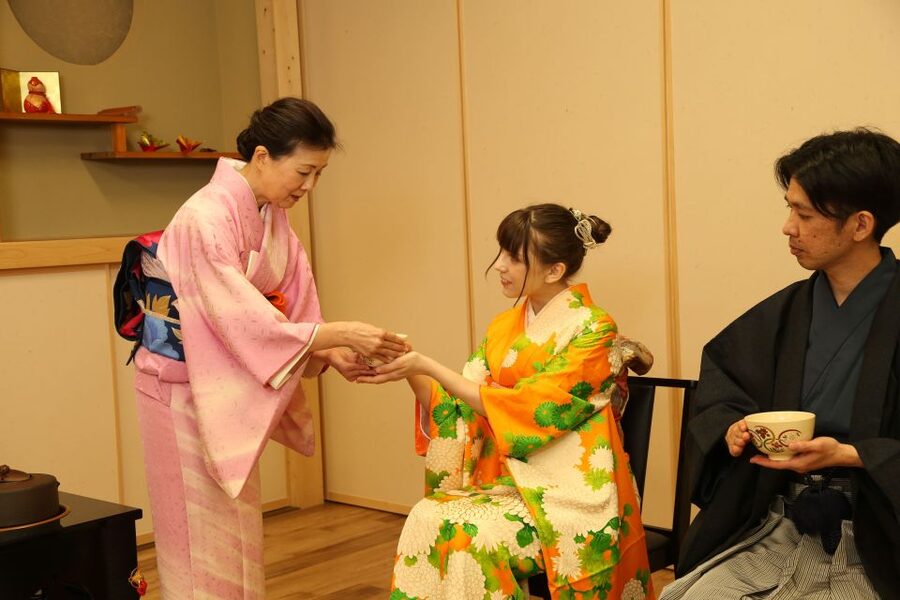
Comfort can make or break a class like this.
Good news: the experience is wheelchair accessible. Seats are also available for guests who prefer not to sit on the floor. That’s huge in Tokyo, where many traditional activities assume floor seating.
You’ll likely be in a classroom-like setup where everyone can see and hear. With a maximum of 10 participants, you’re not squeezed into a crowd. That small size helps you stay part of the lesson, rather than hovering at the edge.
Now for the only real downside area: this is quiet-by-design. You’re not allowed to make noise. One practical consideration is that the space can share walls with other activities, so you might hear something outside the ceremony. If you’re sensitive to distractions, keep your expectations realistic and aim for calm focus anyway.
Also, the experience is not suitable for children under 4. If you’re traveling as a family, plan accordingly.
Price and Value: Is $63 Worth 75 Minutes?
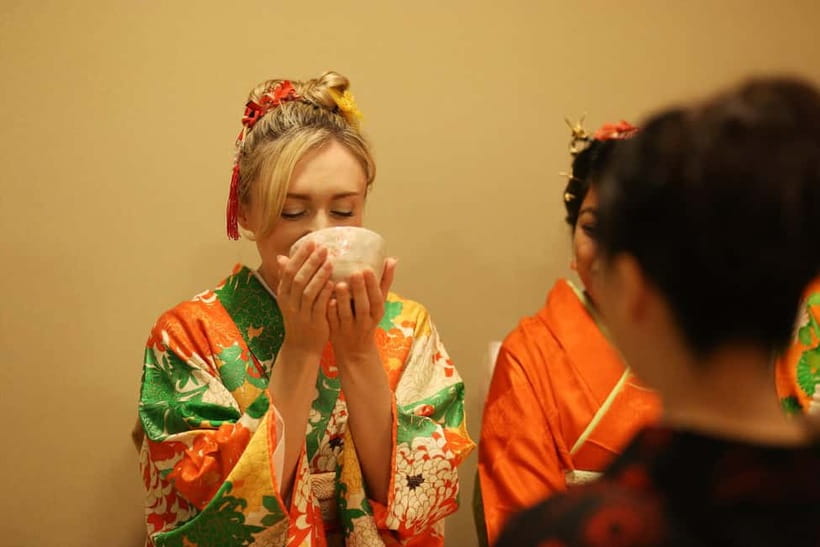
At $63 per person for 75 minutes, this isn’t a cheap add-on, but it’s also not trying to be a luxury show. It’s priced like an instruction experience.
Here’s why it can be a good value:
- You get two parts: watch a ceremony and then perform one yourself
- You get matcha and traditional sweets included
- The group is small, capped at 10, so the instructor can actually guide you
- Instruction is in English, which saves you from translation gaps that can break the learning
The only notable cost not included is transportation. That’s normal for Tokyo, but it matters for your planning. If you’re already near Tokyo Tower, it’s a convenient location. If you’re far away, factor in getting there and back.
Also, the real value is skill. If you want something you can repeat at home, the guided practice is what makes the price feel justified.
Who This Zen Tea Ceremony Suits Best
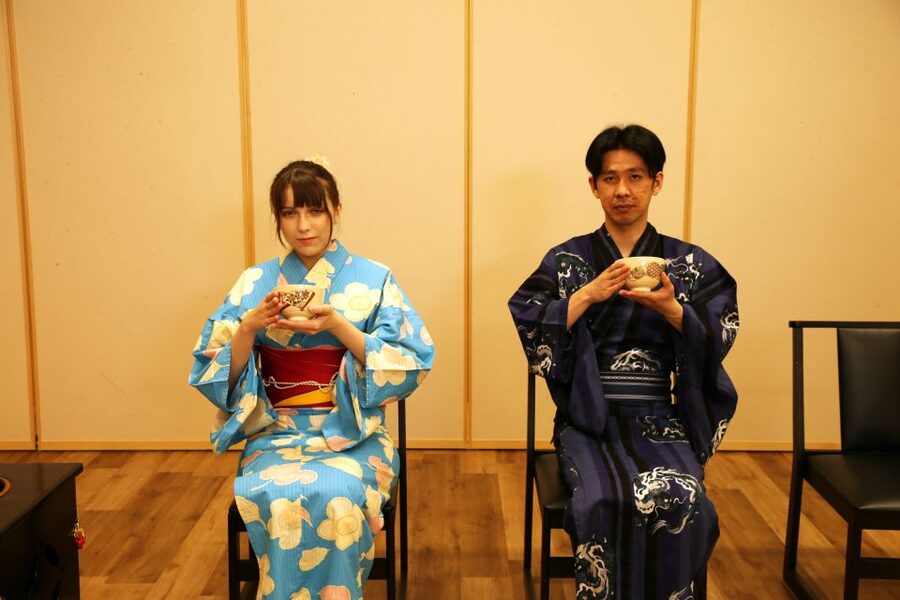
This is a great fit if you want a calm cultural experience that teaches you how something works, not just how it looks.
You’ll probably enjoy it if you:
- like learning through doing, not only watching
- want a short, meaningful activity in Tokyo instead of a long tour bus day
- care about mindfulness and practical calm, not just sightseeing
It’s also a good choice if you appreciate Japanese culture details like art, manners, and how tradition lives inside modern routines.
If you’re after a loud, high-energy activity, this is not that. The rules and the pacing push you toward quiet attention. Think meditative, not party.
Should You Book This Zen Tea Ceremony Near Tokyo Tower?
Book it if you want a structured, respectful way to learn tea ceremony basics in English, with real practice time. The combination of matcha, traditional sweets, Zen context, and the chance to conduct a second ceremony is exactly what turns this from a simple tasting into a skill.
Skip it or reconsider if you’re expecting silence perfect enough to block out all outside noise. The experience is designed for calm, but the setting may not be fully soundproof. Also, if you’re traveling with children under 4, it won’t fit.
If you want one memorable Tokyo moment that slows you down and teaches you something you can repeat, this is an excellent bet.
FAQ
Where is the meeting point for the tea ceremony?
Please meet your instructor at the main entrance of the Kikai Shinko Kaikan building on the 1st floor. The building is right opposite Tokyo Tower. If you cannot find the instructor, visit True Japan Tour (Room B109) on the B1 floor of the building.
How long does the experience take?
The experience lasts 75 minutes.
Is the tea ceremony taught in English?
Yes. The instructor is English.
What is included in the $63 price?
The experience includes a tea ceremony, traditional sweets, matcha green tea, and a second tea ceremony performed by you with guidance.
Is transportation included?
No. Transportation is not included.
Is it suitable for young children?
It is not suitable for children under 4 years old.
Can I participate if I cannot sit on the floor?
Yes. The venue is wheelchair accessible, and seats are available for guests who prefer not to sit on the floor.
Gardens Worth Slowing For


Kyoto by the Bowl

Newest Tokyo write-ups from the Loving Japan desk


Kyoto Tea Ceremonies and Matcha, side by side.
 ★ 4.9Tea Ceremony in a Traditional Tea House in KiyomizuFrom $493,519 reviews
 ★ 4.9Tea Ceremony Ju-An at Jotokuji TempleFrom $293,207 reviews
 ★ 4.345-Minute Tea Ceremony Lesson ExperienceFrom $222,378 reviews
 ★ 5.0World Heritage Kyoto & Nara Uji Authentic Matcha ExperienceFrom $1291,573 reviews
 ★ 4.9Tea Ceremony ExperienceFrom $251,426 reviews
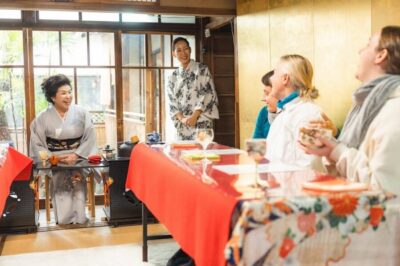 ★ 4.9Table-Style Tea Ceremony at a Kyo-MachiyaFrom $451,211 reviews
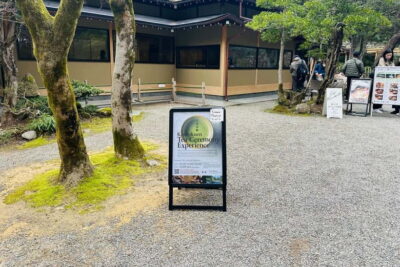 ★ 4.8Kenrokuen Tea Ceremony ExperienceFrom $351,139 reviews
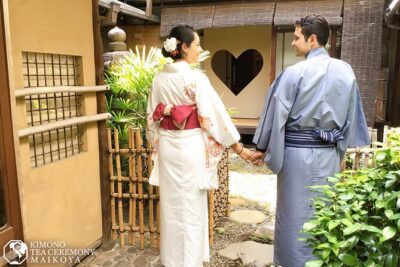 ★ 5.0Kimono Tea Ceremony at Kyoto Maikoya, NISHIKIFrom $65911 reviews
Filed on these lists too