
REVIEW · KYOTO TEA CEREMONIES AND MATCHA
2 Hours Mochi &Nerikiri Making & Matcha Class in Bunkyo
Sticky hands, sweet rewards, and matcha.
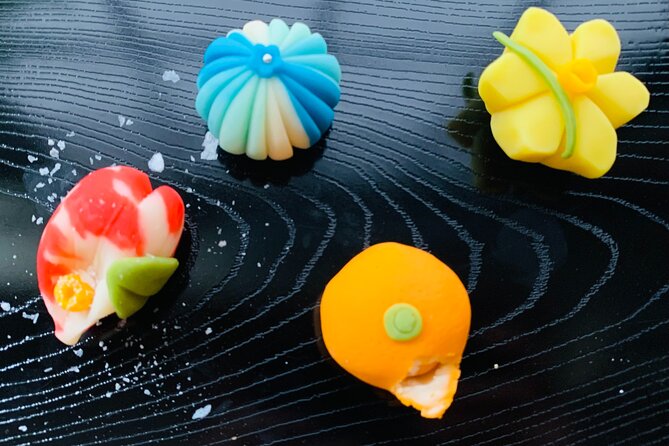
This private wagashi class turns Tokyo time into something hands-on, guided step by step by Yuko in her home. I love the personal instruction because the pacing fits your questions, not a rushed demo, and I also love that you can pick a focused track like mochi, dango, nerikiri, or a combination. One possible drawback is that this is a home workshop, so it is intimate and tactile, which you might not love if you prefer a more distant, observational experience.
You’ll do the work yourself, not just watch.
Expect a bilingual native-Japanese instructor trained by the Wagashi Association of Japan, plus Japanese sweets culture explained through what you are making, including mochi tied to New Year and new beginnings, dango for special events, and nerikiri for tea ceremony traditions. The trade-off is simple: because it’s only about 2 hours, you get a satisfying crash course, but not a lifetime of technique.
In This Review
- Key things to know before you go
- Why This Bunkyo Wagashi Class Fits Real Life
- Meeting Yuko at Her Home in Bunkyo
- Choose Your Course: Mochi, Dango, Nerikiri, or a Combination
- What the Two Hours Feel Like Step by Step
- Mochi and Nerikiri: The Skills You’ll Leave With
- Tea Ceremony Energy and Matcha Moments That Make It Stick
- Price and Value: Is $78.83 Worth It?
- Who Should Book This Class (and Who Might Skip It)
- Should You Book This Mochi and Nerikiri Class in Bunkyo?
- FAQ
- How long is the Mochi and Nerikiri making class in Bunkyo?
- What does the class cost?
- Is this a private class or shared group?
- What wagashi course options are available?
- Who teaches the class?
- Where do I meet for the experience?
- Is it easy to get to by public transportation?
- What is the cancellation policy?
- How will I receive my booking details?
Key things to know before you go
- Private, one-group-at-a-time class: only your party joins, so it feels personal rather than crowded.
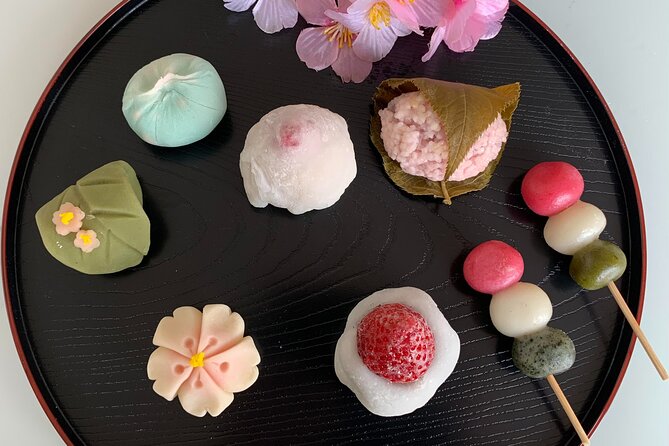
- Pick your wagashi focus: mochi, dango, nerikiri, or a mix course based on what you want to learn.
- Bilingual teaching by Yuko: a trained instructor who can explain the steps clearly and comfortably.
- Japanese sweets with cultural meaning: each sweet type connects to traditions like tea ceremony and special occasions.
- Easy central Tokyo meeting point: located in Bunkyo, near public transportation, with the activity ending back at the same spot.
Sit down somewhere quieter. Other tea rooms we booked
- Matcha Making Class in Tokyo with Authentic Japanese Sweets Set
★ 5.0 · 744 reviews - Tokyo: Traditional Tea Ceremony with a Tea Master
★ 5.0 · 528 reviews - Tokyo: Matcha Making Experience with Mochi Sweets in Asakusa
★ 4.9 · 388 reviews - Tokyo: Matcha and Kimono Experience
★ 4.7 · 219 reviews
Why This Bunkyo Wagashi Class Fits Real Life
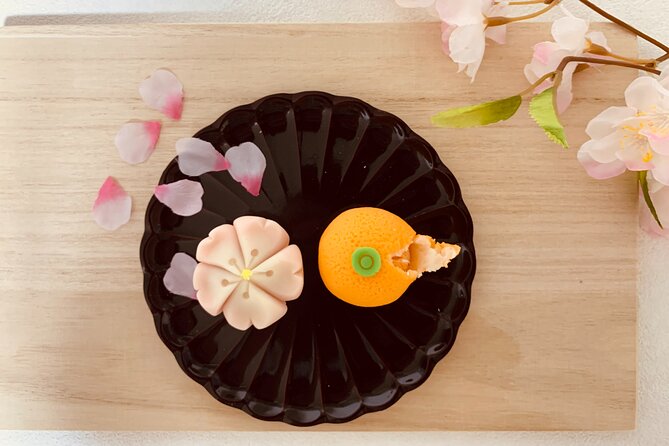
Tokyo can feel like a treadmill, so I like experiences that are short and still meaningful. This one lands at 2 hours, which makes it doable even if your day is packed with museums, neighborhoods, and long subway connections. You’re not committing to a half-day tour that steals your evening.
The big win for me is the format. This isn’t a class that treats food as a product you buy, it’s a class that teaches process. You learn skills you can practice later, which is the difference between eating something once and actually understanding what makes it work.
It also helps that the location is in central Tokyo (Bunkyo) and the meeting spot is described as near public transportation. That matters because wagashi classes run on their own rhythm, and you do not want to arrive late, flustered, and stressed about timing.
Meeting Yuko at Her Home in Bunkyo
Your start point is at 1-chōme-27-8 Sekiguchi, Bunkyo City, Tokyo 112-0014. The activity ends back at the same meeting point, so you can treat it like a self-contained pocket in your day.
This class happens in a Japanese home. That changes the atmosphere immediately. You’re in a real kitchen-and-dining space, with a host who can guide you like a guest in her day-to-day world. A home setting also tends to keep things calmer than a studio, because the group size is small and the teacher can give attention without juggling multiple tables.
One more practical detail: the class is private, meaning only your group participates. If you’re traveling with family, that can be a sweet setup. If you’re solo, it still works because you are not competing for attention in a larger room.
Choose Your Course: Mochi, Dango, Nerikiri, or a Combination
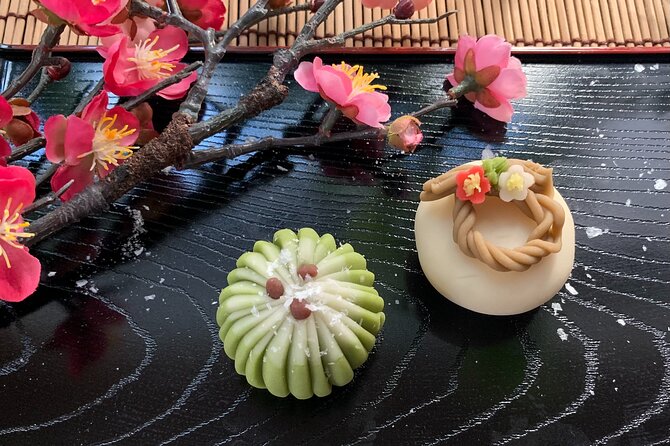
The workshop is built around wagashi types, and you get 3 course options. You can do a Mochi course, a Dango course, a Nerikiri course, or a combination course that includes multiple styles.
Here’s the cultural logic behind the menu. The class highlights:
- Mochi connected to New Year and new births
- Dango connected to special events
- Nerikiri connected to tea ceremony
That might sound like marketing fluff, but it actually helps you pay attention while you work. When you understand why a sweet exists, the shaping and technique feel less random. You’re not just making something sticky, you’re recreating a style with a role in Japanese seasonal and ceremonial life.
If you want the broadest learning, a combination course is a strong choice because you’ll compare textures and methods in a short time. If you want depth, pick the single sweet you’re most curious about and treat the rest as background context.
Make something to take home. Other workshops
- Chopstick Making Workshop in Ginza★ 4.8 · 1,366 reviews
- Tokyo Sumo Experience: Chanko & Mochi with a Former Pro★ 4.8 · 567 reviews
- Kintsugi Experience: Art of Golden Joinery in Tokyo★ 5.0 · 467 reviews
- Tokyo Chopstick Making Workshop with Artisan★ 5.0 · 466 reviews
- Tokyo: Matcha Making Experience with Mochi Sweets in Asakusa★ 4.9 · 388 reviews
What the Two Hours Feel Like Step by Step
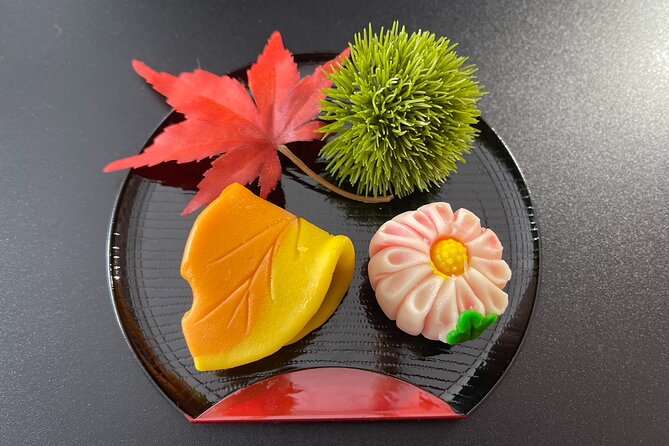
You should expect a hands-on process with active participation. The class is described as a short culinary-and-cultural experience in traditional Japanese sweets making, delivered in a Japanese home. It’s designed for people without experience, and the recipes are presented as simple, so you’re not expected to arrive knowing Japanese cooking technique.
The teaching method seems to be: explain, show, then have you copy the steps. The course also emphasizes that you receive personalized instruction, which is exactly what you want with something like wagashi where small adjustments matter.
You’ll also have cultural conversation while you work. In the feedback I reviewed, people highlighted that Yuko doesn’t just run a checklist. She talks about the meaning behind what you’re making, and that turns the experience from a cooking lesson into something closer to a guided introduction to Japanese sweets culture.
And yes, this is tied to matcha. The class is called a Mochi and Nerikiri making with matcha class, and the experience is paired with tea and matcha moments. That makes your session feel complete, not just a production line where you leave before you taste.
Mochi and Nerikiri: The Skills You’ll Leave With
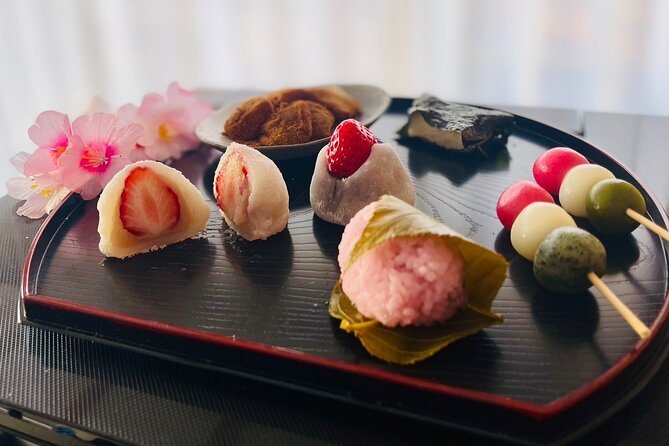
Even though the class offers multiple tracks, mochi and nerikiri tend to be the big draw. Both involve shaping a soft base, but they teach different habits.
Mochi lessons typically focus on getting a workable texture and then shaping it into clean, intentional forms. Nerikiri tends to feel more like craft work. You’re not only aiming for taste, you’re aiming for a visual finish that fits seasonal and ceremonial themes.
What I really value here is the “do it yourself” structure. You’re not just sampling sweets, you’re learning how to handle the materials. That is the kind of skill that travels home with you, even if your kitchen is small and you don’t speak Japanese.
Also, because the instructor is trained by the Wagashi Association of Japan, the class is not just casual hobby instruction. You can expect technique and explanation tied to traditional methods, not random shortcuts.
Tea Ceremony Energy and Matcha Moments That Make It Stick
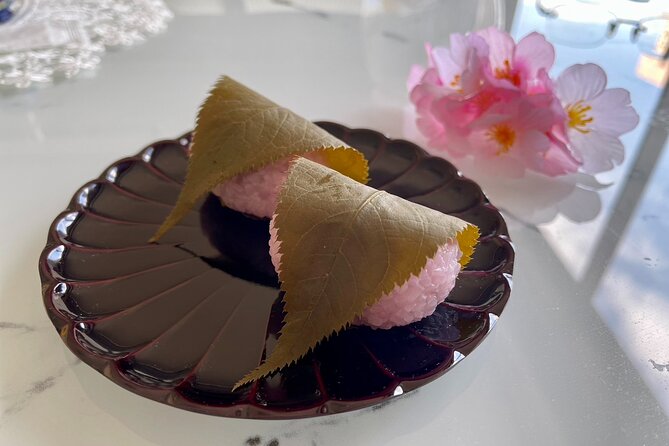
Wagashi is closely linked to tea culture, especially nerikiri. This class explicitly mentions nerikiri in relation to tea ceremony, and in practice that shows up as a ceremony-like pacing.
You can think of the tea and matcha moments as a reset button. You work, you pause, you taste, and then you work again. That rhythm helps you remember what you made, and it also makes your creations feel more special because the sweets are served as more than a snack.
Another reason this pairing matters is that matcha isn’t just a drink. It’s a flavor baseline that makes sweetness and texture easier to understand. If your mochi is too sweet, matcha gives contrast. If your nerikiri is soft, matcha provides structure through bitterness and earthiness.
If you like food experiences that include both making and tasting, this format will land well.
Price and Value: Is $78.83 Worth It?
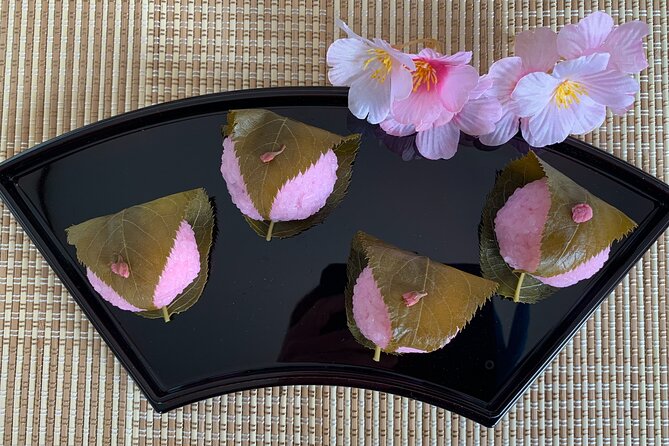
The price is $78.83 per person, and the class runs for about 2 hours. That might sound steep compared with a casual cooking class, but the value logic here is different.
You are paying for:
- A private setup, not a shared workshop line
- A home-based experience in central Tokyo (Bunkyo)
- Instruction in wagashi methods tied to tradition, taught by a bilingual instructor
- A short session that still results in actual finished sweets
I like this pricing model when I’m choosing “one special day” in a big city. A cheaper class often means you get less attention. A class like this, at this price, is trying to give you focus and guidance, so you leave with something you actually made, not just watched.
Also, booking tends to happen around 38 days in advance on average. If you’re aiming for a specific course option, earlier booking helps you line it up with the rest of your Tokyo plan without stress.
Who Should Book This Class (and Who Might Skip It)
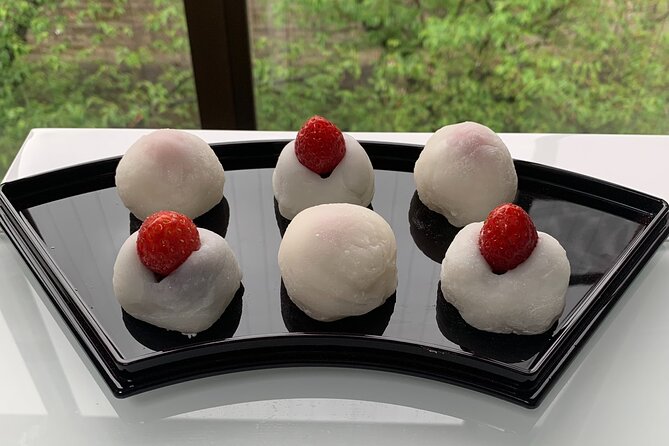
This is a strong fit for:
- Families who want a calm, hands-on activity in a real Japanese home setting
- Solo travelers who want a small, intimate workshop with personal attention
- Food lovers with a sweet tooth who also want cultural context, not just recipes
- People who like the idea of making a Japanese dessert they can try again at home
If you should pause before booking, it’s mainly for one reason: you need to be okay with a tactile workshop. You’ll be shaping sweets and working with textures that can be a little sticky. If you really want a sightseeing-driven day with minimal mess and maximum photos, you might find another type of food tour better.
But if you’re the type who enjoys learning through doing, you’ll likely consider this one of your best Tokyo food memories.
Should You Book This Mochi and Nerikiri Class in Bunkyo?
If you’re looking for a short, private, hands-on wagashi class with matcha and clear cultural context, I’d book it. The biggest reason is the combination of small-group attention and a traditional craft focus. You learn more than a recipe. You learn how the sweets connect to Japanese seasonal and ceremonial life.
Choose the course based on your mood. If you want the signature Tokyo sweets experience, pick the one that sounds most fun to make. If you’re curious about multiple styles fast, the combination course is a smart way to sample variety within your 2-hour window.
FAQ
How long is the Mochi and Nerikiri making class in Bunkyo?
It’s approximately 2 hours.
What does the class cost?
The price is $78.83 per person.
Is this a private class or shared group?
This is a private tour or activity. Only your group will participate.
What wagashi course options are available?
You can choose one of these options: Mochi, Dango, Nerikiri, or a combination course that includes more than one.
Who teaches the class?
The course is presented by a bilingual, native-Japanese, trained instructor from the Wagashi Association of Japan.
Where do I meet for the experience?
The meeting point is 1-chōme-27-8 Sekiguchi, Bunkyo City, Tokyo 112-0014, Japan. The activity ends back at the meeting point.
Is it easy to get to by public transportation?
Yes. The meeting point is described as near public transportation.
What is the cancellation policy?
You can cancel for a full refund if you cancel up to 24 hours in advance of the experience start time, based on local time.
How will I receive my booking details?
You’ll receive confirmation at time of booking, and the experience uses a mobile ticket.
Made by Hand, and Yours to Keep

Kyoto by the Bowl


Newest Tokyo write-ups from the Loving Japan desk


Kyoto Tea Ceremonies and Matcha, side by side.
 ★ 4.9Tea Ceremony in a Traditional Tea House in KiyomizuFrom $493,519 reviews
 ★ 4.9Tea Ceremony Ju-An at Jotokuji TempleFrom $293,207 reviews
 ★ 4.345-Minute Tea Ceremony Lesson ExperienceFrom $222,378 reviews
 ★ 5.0World Heritage Kyoto & Nara Uji Authentic Matcha ExperienceFrom $1291,573 reviews
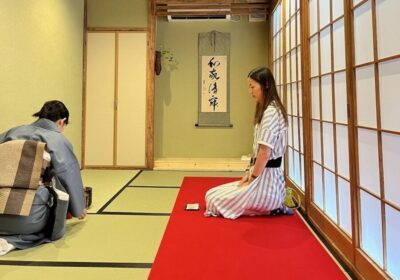 ★ 4.9Tea Ceremony ExperienceFrom $251,426 reviews
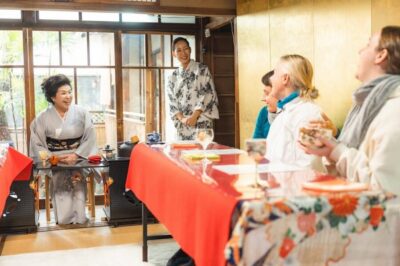 ★ 4.9Table-Style Tea Ceremony at a Kyo-MachiyaFrom $451,211 reviews
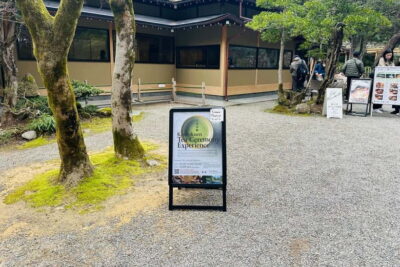 ★ 4.8Kenrokuen Tea Ceremony ExperienceFrom $351,139 reviews
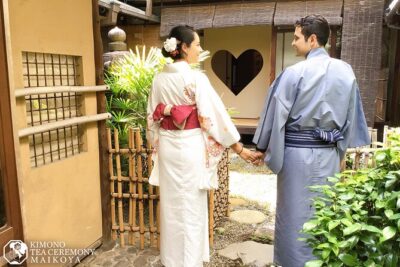 ★ 5.0Kimono Tea Ceremony at Kyoto Maikoya, NISHIKIFrom $65911 reviews
Filed on these lists too