
REVIEW · KYOTO TEA CEREMONIES AND MATCHA
Experience all of Japanese culture and Japanese food experience classes “origami, udon, Japanese food, green tea, calligraphy” in 4 hours
Cooking in a real Tokyo home feels like a shortcut to culture. In just 4 hours, Taka and Keiko guide you through origami, hand-made udon, sushi and tempura, then end with matcha and a calligraphy keepsake.
I love how the day is built around hands-on food work, not just watching, and how the hospitality feels genuinely personal. One thing to consider: this is in a private home setting, so you’ll want to be comfortable walking a few minutes on local streets and following the flow of a shared, meal-focused schedule.
In This Review
- Key Highlights You Should Know Before You Go
- Why This Homecoming TAKA Class Feels Different in Tokyo
- Getting There From JR Omori Station, the Walk You’ll Actually Remember
- Origami With a Purpose: Folding a Crane Before You Cook
- Udon Making: From Materials to Completion, Including the Foot Step
- Lunch Menu You Build Together: Sushi, Gyoza, Tempura, and Small Plates
- Free Drinks During the Meal
- Matcha and Japanese Sweets, the Calm Finish After Cooking
- Keiko’s Calligraphy Name Souvenir, a Small Artifact With Big Meaning
- Food Values and Dietary Flexibility, So Everyone Eats the Same Lesson
- Price and Value: What $92.50 Buys in a 4-Hour Home Setting
- Who This Is Best For (And Who Might Want Something Else)
- Final Call: Should You Book Homecoming TAKA in Tokyo?
- FAQ
- What time does the experience start?
- Where is the meeting point?
- How long is the experience?
- What activities are included in the 4 hours?
- Are meals and drinks included?
- Is this a private tour?
- Can vegetarians and vegans eat the food?
- What souvenir do I take home?
- Do I need to bring anything like an apron?
- Is free cancellation available?
Key Highlights You Should Know Before You Go
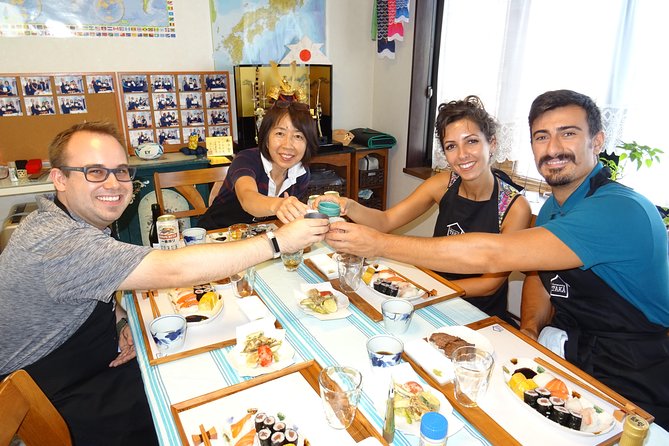
- A true home stop in Omori, with hosts meeting you at JR Omori Station and walking you to the house
- Hands-on origami plus noodle work, including learning from materials to completion and doing the dough by foot
- Lunch cooking that feels like a full menu, with sushi and gyoza as the main menu plus Japanese small plates
- Free drinks with the meal, including sake, beer, shochu, and soft drinks
- Matcha and Japanese sweets after the meal, so you finish with a classic ritual, not just leftovers
- A calligraphy souvenir made for you, with Keiko writing your name on colored paper to take home
Sit down somewhere quieter. Other tea rooms we booked
- Matcha Making Class in Tokyo with Authentic Japanese Sweets Set
★ 5.0 · 744 reviews - Tokyo: Traditional Tea Ceremony with a Tea Master
★ 5.0 · 528 reviews - Tokyo: Matcha Making Experience with Mochi Sweets in Asakusa
★ 4.9 · 388 reviews - Tokyo: Matcha and Kimono Experience
★ 4.7 · 219 reviews
Why This Homecoming TAKA Class Feels Different in Tokyo
Tokyo is full of classes, but this one has a specific superpower: it’s built like a visit to someone’s home, not a production line. You start the day with a short walk through a quiet residential area, then you’re inside, where the host energy is the main ingredient.
What I like is the balance between hands-on arts and real food skills. You fold origami, then you get your hands involved with udon, and later you cook the kind of Japanese dishes people actually eat at home. It’s a compact way to understand Japanese everyday culture, from paper craft to tea time.
The other big plus is pacing. Four hours sounds short, but the schedule is structured so you’re never just standing around waiting. You move through each activity, eat a full lunch experience, sip matcha afterward, then leave with a personal souvenir.
A possible drawback for some people: you are cooking and moving around in a home environment. If you prefer ultra-structured, classroom-style experiences with lots of space and minimal food mess, you might want to mentally prep for a cozy, active setting.
Getting There From JR Omori Station, the Walk You’ll Actually Remember
Meeting is at 10:30 am at the central exit of JR Omori Station. You’ll spot your host by looking for a bag with the homecoming TAKA logo.
From there, it’s an about 8-minute walk to the house. Along the way, you pass by a shrine, then continue through a quiet residential area. That sounds simple, but it’s exactly the kind of in-between Tokyo moment that’s hard to recreate from inside a bus window.
Practical tip: arrive a little early so you can calm down and find the meeting sign fast. This kind of experience depends on starting on time, and the day is designed so each step flows into the next.
Origami With a Purpose: Folding a Crane Before You Cook
The day begins with origami, specifically folding a paper crane. This is not just a warm-up craft. It sets the tone for how the day works, calm, hands-on, and focused on small details.
In a class like this, origami helps you shift from tourist mode to participant mode. You slow down. You pay attention to folds. And you’re already learning a tiny piece of how Japanese crafts often treat simple materials with care.
It also serves as a friendly social entry point. If you’re traveling alone, or if your group has mixed ages, origami is easy for everyone to join at the same time. You don’t need prior skill, just willingness to follow along.
A bowl somewhere else in Tokyo
- Ramen & Gyoza Cooking Class in Tokyo with Local Supermarket Visit★ 5.0 · 823 reviews
- Tokyo: Ramen Tasting Tour with 6 Mini Bowls of Ramen★ 4.9 · 432 reviews
- Tokyo: Easy Ramen Cooking Experience in Kabukicho, Shinjuku★ 4.6 · 321 reviews
- Ramen and Sushi Cooking Class with Sake Pairing Set in Tokyo★ 5.0 · 291 reviews
- Professional Ramen & Gyoza with Ramen Chef in a restaurant!★ 5.0 · 223 reviews
Udon Making: From Materials to Completion, Including the Foot Step
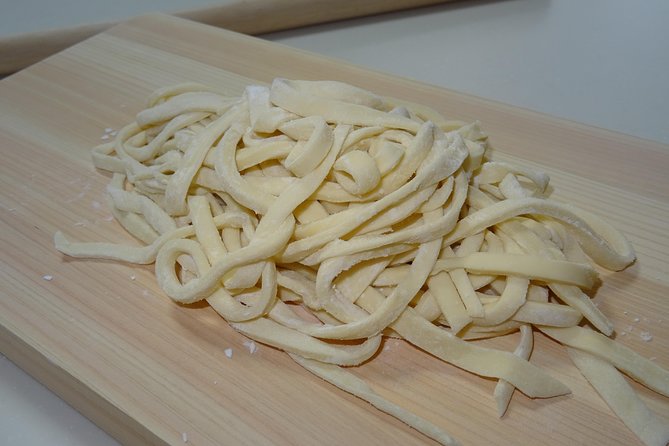
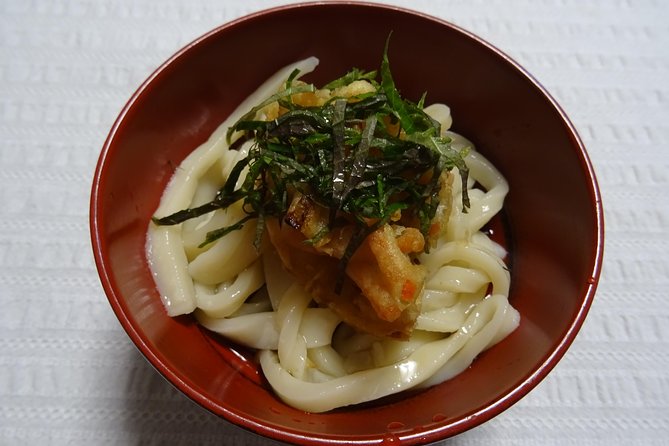
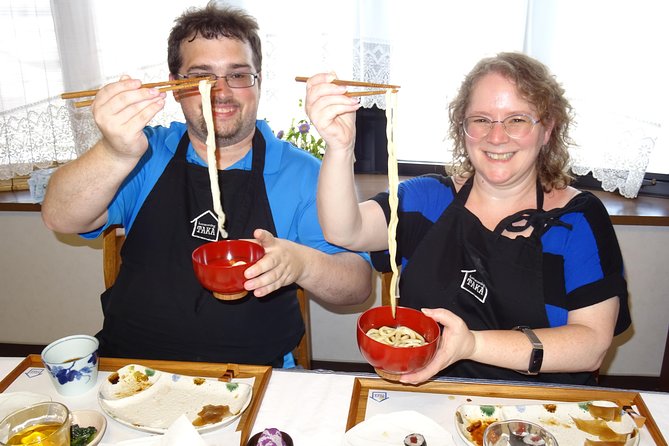
Then comes the udon noodles, the hands-on moment most people will be thinking about later. You work through the process from materials to completion, which means you see how the dough stage connects to actual finished noodles.
One detail you should know: you step on the material during the udon-making process. That’s a classic technique, but it also means you should wear comfortable shoes and be ready to follow the host’s instructions for how to apply pressure safely.
Why this matters for your trip: it gives you a real understanding of texture and technique. Udon is not just a dish, it’s a feel. If you like food skills that translate into better meals later, this is the part that delivers.
The class also emphasizes that materials are made in Japan. That’s a small sentence in the schedule, but for many food lovers it’s the difference between generic cooking and cooking with ingredients that match the tradition.
Lunch Menu You Build Together: Sushi, Gyoza, Tempura, and Small Plates
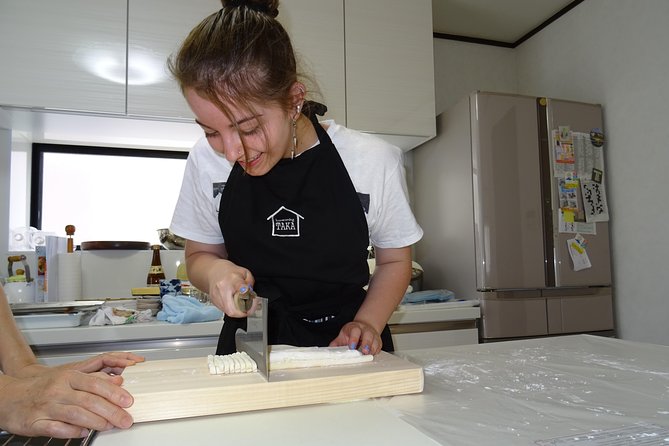
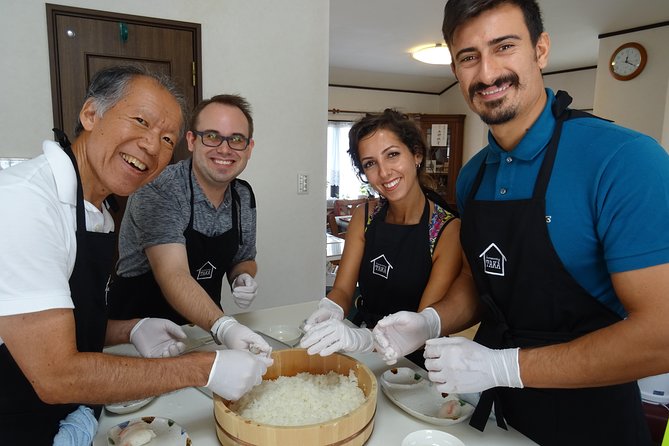
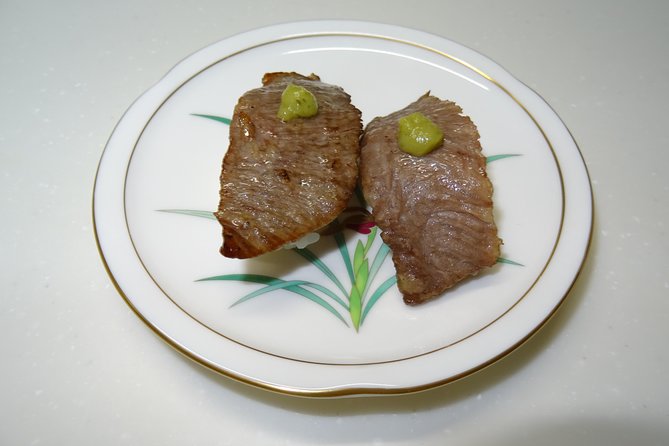
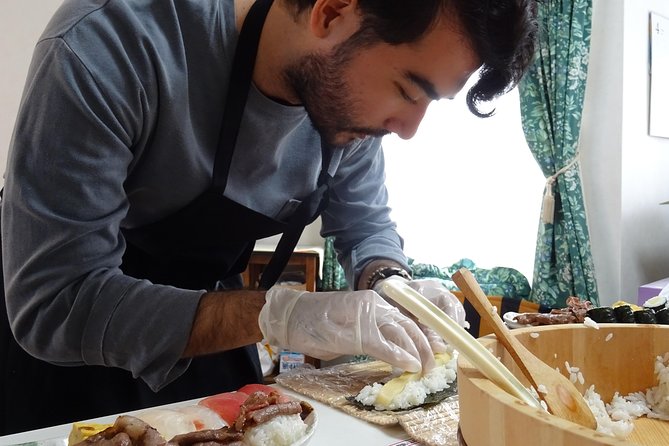
After udon, you shift into the main lunch work. Sushi and gyoza are described as the main menu for lunch, with Japanese small plates also served by the host’s wife.
The value here is not just that you’ll eat delicious food. It’s that you’ll participate in the process. Sushi and gyoza are both technique-rich, and making them with guidance helps you understand why they taste the way they do. You also get a better sense of how Japanese home meals balance centerpiece dishes with smaller sides.
Tempura is also part of the experience. You learn the course-style flow of Japanese cooking, where each item has its own role in the meal. Tempura can be tricky to time and handle, so it’s a satisfying skill to practice even in a short session.
And yes, you get to enjoy conversation while you eat. The lunch part is meant to be leisurely, not rushed. That matters because the point isn’t speed, it’s sharing food and learning how people approach hospitality.
Free Drinks During the Meal
Drinks are included and free: sake, beer, shochu, and soft drinks. This is a nice perk if you like Japanese drinks, and it also keeps the meal from feeling like a formal tasting where you’re constantly making decisions.
If you don’t drink alcohol, you still get soft drinks, so you won’t feel left out of the social rhythm.
Matcha and Japanese Sweets, the Calm Finish After Cooking
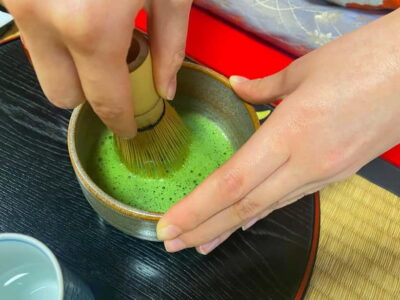
After the main meal, you move into green tea. You make matcha together and then taste it along with Japanese sweets.
This is a smart ending. Cooking can spike your appetite and energy, but matcha time slows everything down. It’s a classic pairing for a reason: bitter tea plus sweet bite helps reset your palate and gives the whole day a clean, structured close.
If you like food culture, matcha is also one of those topics where you’ll actually learn something you can use later. Even if you’ve had matcha before, making it yourself helps you notice the differences in texture and the way tea flavor shows up when you prepare it.
Keiko’s Calligraphy Name Souvenir, a Small Artifact With Big Meaning
The last step is calligraphy, and it’s personal. Keiko writes your name in calligraphy on colored paper, and that colored paper is your souvenir to take home.
This is one of those details that turns the whole experience into a memory you can hold. A photo fades, but paper craft keeps doing its job in your home later.
It’s also a finishing moment where the day turns from cooking mode to reflection mode. You’ll likely feel a bit of emotional momentum here, because the souvenir is tied directly to you, not just to the class theme.
Food Values and Dietary Flexibility, So Everyone Eats the Same Lesson
The schedule clearly states that vegetarians and vegans can also enjoy all dishes with different ingredients. That’s important because it means the experience is designed for different diets rather than forcing substitutions that change the whole meaning of the meal.
I’d treat this as a big value point. Food classes can accidentally become a choice between participating and eating. Here, the structure suggests you’ll still be part of the process and still get a full meal experience.
Also, aprons are included, so you can focus on cooking without worrying about bringing something extra.
Price and Value: What $92.50 Buys in a 4-Hour Home Setting
At $92.50 per person for about 4 hours, this sits in the category of experiences that charge less for a ticket and more for access. You’re paying for a private home visit, guided cooking instruction, meal components, drinks, and a named calligraphy keepsake.
Here’s what makes the value feel real:
- You’re not just eating, you’re cooking and crafting multiple items
- Lunch is substantial, built around sushi and gyoza, plus other meal elements like tempura and small plates
- Drinks are free, which adds up if you’d otherwise buy sake or beer in Tokyo
- You leave with a souvenir, calligraphy in colored paper with your name
One consideration: transfer is not included, so you’ll need to plan your own way to Omori Station. Still, once you’re there, the experience is handled, including the walk to the house.
If you like your Tokyo days to include real skills and real people, this price starts to look like a fair trade, not a splurge.
Who This Is Best For (And Who Might Want Something Else)
This experience fits best if you want hands-on Japanese culture, not just a checklist of famous neighborhoods. It’s also a strong choice for families, because the day is structured so participants can take part in each activity.
It’s especially good for:
- Food lovers who enjoy technique, not just flavors
- People traveling with kids, since the sequence includes craft and cooking steps
- Travelers who want conversation with local hosts, not a script
- Anyone who wants a keepsake that isn’t a mass-produced item
You might consider another option if:
- You prefer a large, commercial space with lots of room
- You hate food activities that may get a little hands-on
- You don’t want to participate in active steps like the udon foot technique
Final Call: Should You Book Homecoming TAKA in Tokyo?
I’d book this if your ideal Tokyo day includes learning skills, eating a true home-style meal, and leaving with something made specifically for you. The program is compact but full: origami, udon, sushi and gyoza, tempura, matcha, sweets, and calligraphy. That’s a lot of cultural texture for one afternoon.
The deciding factor for me is the home setting. If you’re the type who enjoys meeting people, sharing food, and asking questions, this will feel like one of your most memorable Tokyo moments.
If you want a quick, low-participation activity, or if you need everything to be totally formal and predictable, you might prefer a traditional cooking class elsewhere. But if you want Tokyo through daily life, this one is hard to beat.
FAQ
What time does the experience start?
It starts at 10:30 am, meeting at the central exit of JR Omori Station.
Where is the meeting point?
The meeting point is at 1 Chome-6 Omorikita, Ota City, Tokyo 143-0016, Japan. You’ll meet near JR Omori Station and look for the host with a homecoming TAKA logo bag.
How long is the experience?
It lasts about 4 hours.
What activities are included in the 4 hours?
You’ll do origami, make udon noodles, cook Japanese food including sushi and gyoza, and also experience tempura. You’ll also make and taste matcha with Japanese sweets and finish with calligraphy writing your name on colored paper.
Are meals and drinks included?
Yes. Lunch is included, and drinks are free. The drinks listed are sake, beer, shochu, and soft drinks.
Is this a private tour?
Yes. It is a private tour or activity, and only your group will participate.
Can vegetarians and vegans eat the food?
Yes. Vegetarians and vegans can enjoy all dishes with different ingredients.
What souvenir do I take home?
Keiko writes your name in calligraphy on colored paper, which you take home.
Do I need to bring anything like an apron?
An apron is included.
Is free cancellation available?
Yes, free cancellation is available. You can cancel up to 24 hours in advance of the start time for a full refund.
One More Bowl



Kyoto by the Bowl


Newest Tokyo write-ups from the Loving Japan desk



Kyoto Tea Ceremonies and Matcha, side by side.
 ★ 4.9Tea Ceremony in a Traditional Tea House in KiyomizuFrom $493,519 reviews
 ★ 4.9Tea Ceremony Ju-An at Jotokuji TempleFrom $293,207 reviews
 ★ 4.345-Minute Tea Ceremony Lesson ExperienceFrom $222,378 reviews
 ★ 5.0World Heritage Kyoto & Nara Uji Authentic Matcha ExperienceFrom $1291,573 reviews
 ★ 4.9Tea Ceremony ExperienceFrom $251,426 reviews
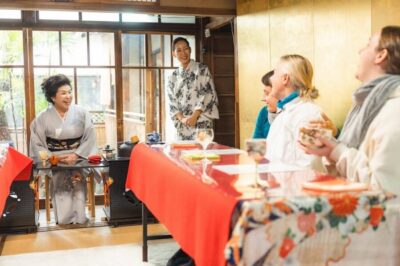 ★ 4.9Table-Style Tea Ceremony at a Kyo-MachiyaFrom $451,211 reviews
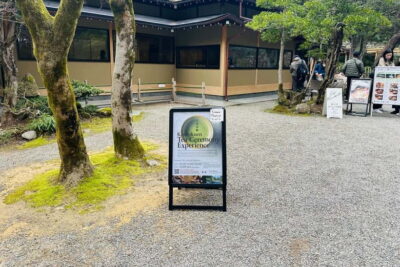 ★ 4.8Kenrokuen Tea Ceremony ExperienceFrom $351,139 reviews
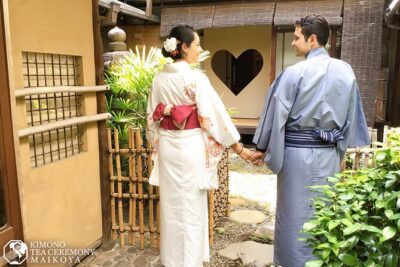 ★ 5.0Kimono Tea Ceremony at Kyoto Maikoya, NISHIKIFrom $65911 reviews