
REVIEW · KYOTO TEA CEREMONIES AND MATCHA
Tokyo Sushi Making Class : Sake Ceremony & Matcha Experience
Sake, sushi, and matcha in one class. In Asakusa, this hands-on workshop blends food technique with a real Japanese ritual, starting with kagami-biraki (sake barrel opening), then moving into nigiri practice and ending with matcha whisking. You’ll also take part in the spirited group energy, including the chants and a photo moment built into the flow.
What I like most is that you are not just watching, you are assembling sushi with real guidance. I also love that the class includes both a fun modern Tokyo bite and a calmer finale, so it feels balanced instead of all heat and noise. One possible drawback: since it is designed for beginners in about 1.5 hours, you will learn the essentials, not every advanced knife, fish, or food-safety detail.
In This Review
- Key highlights you will feel right away
- Asakusa sushi, but with a ceremony first
- Kagami-biraki: the sake barrel opening and the group toast
- Nigiri essentials: rice pressure, topping handling, and confident placement
- WASSHOI torched salmon mayo gunkan: modern Tokyo flavor
- The matcha finish: whisking for smooth foam
- What you actually eat and take home (and why it matters)
- Price and value for a 1.5-hour Tokyo class
- Who should book this sushi and matcha experience
- Tips to get the most out of the class
- Should you book this Tokyo sushi making class?
- FAQ
- How long is the Tokyo sushi making class experience?
- Where does the experience take place?
- What will I learn to make?
- Do I have to drink sake during the ceremony?
- What is the group size?
- Is the class beginner-friendly?
- What is the cancellation policy?
Key highlights you will feel right away
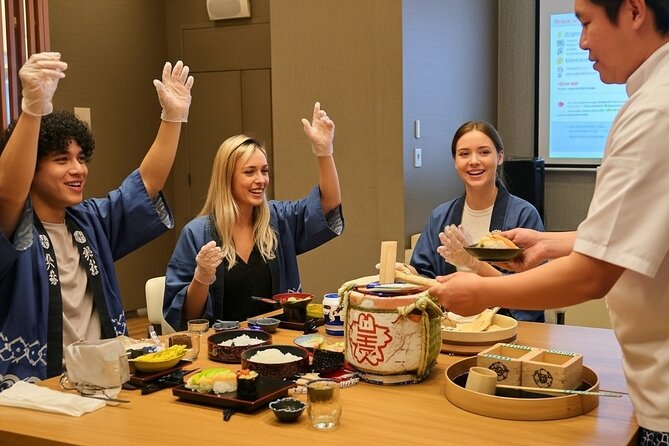
- Kagami-biraki sake barrel opening and group toast to start with actual ceremony, not a scripted lecture
- Nigiri technique for beginners focused on rice pressure, topping handling, and clean placement
- WASSHOI torched salmon mayo gunkan as a playful Tokyo-style twist on classic skills
- You make 6 to 12 pieces, including nigiri plus rolls, then enjoy what you made
- Matcha at the end with a hands-on whisking step so you finish on something soothing
- Small group size (max 20) so you get enough attention without feeling rushed
Sit down somewhere quieter. Other tea rooms we booked
- Matcha Making Class in Tokyo with Authentic Japanese Sweets Set
★ 5.0 · 744 reviews - Tokyo: Traditional Tea Ceremony with a Tea Master
★ 5.0 · 528 reviews - Tokyo: Matcha Making Experience with Mochi Sweets in Asakusa
★ 4.9 · 388 reviews - Tokyo: Matcha and Kimono Experience
★ 4.7 · 219 reviews
Asakusa sushi, but with a ceremony first
This class runs around 1 hour 30 minutes, which is a sweet spot. You get enough time to learn, build, and eat, while still fitting easily into a day of Asakusa wandering. The location is in Taito City, near public transportation, at 1-chōme-10-16 Hanakawado. That matters because you do not want a “class” to turn into a mini quest just to arrive.
The structure is also important. This is not a one-note cooking demo. It is a sequence: ceremony, sushi technique, a crowd-pleasing modern roll, then matcha. You’ll feel the pace shift from energetic group ritual to focused handwork, then back to a fun finish.
Also, the group is capped at 20 travelers, which helps. In bigger groups, hands-on classes can turn into a waiting game. Here, the flow is paced so you can practice, ask quick questions, and still get to make your own pieces.
And yes, you get a mobile ticket, which is the kind of small convenience that keeps the day smooth.
Kagami-biraki: the sake barrel opening and the group toast
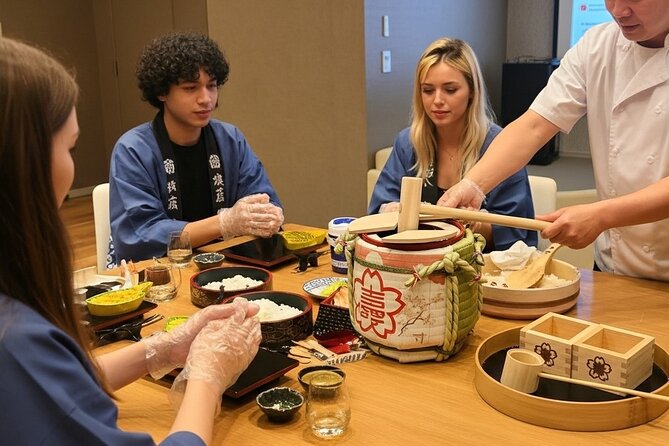
The experience begins with kagami-biraki, the traditional sake barrel opening done to mark new beginnings. Instead of a quiet “look and learn,” you join the group action. You’ll chant Yoisho, yoisho, yoisho and participate in a shared toast.
What makes this more than a gimmick is how it sets the tone for the rest of the class. Opening the barrel is a reminder that sushi and Japanese dining are not only about technique. They are also about rhythm, respect, and celebrating together.
There’s also a thoughtful option built in: even if you are not drinking, you can still join the toast. The non-alcohol choice is water or warm Japanese tea, so you do not feel like you missed the ceremony just because you skipped sake.
If you care about photos, keep an eye on the class pacing here. The ceremony is a natural moment to capture the group energy before you shift to hands-on food making.
Nigiri essentials: rice pressure, topping handling, and confident placement
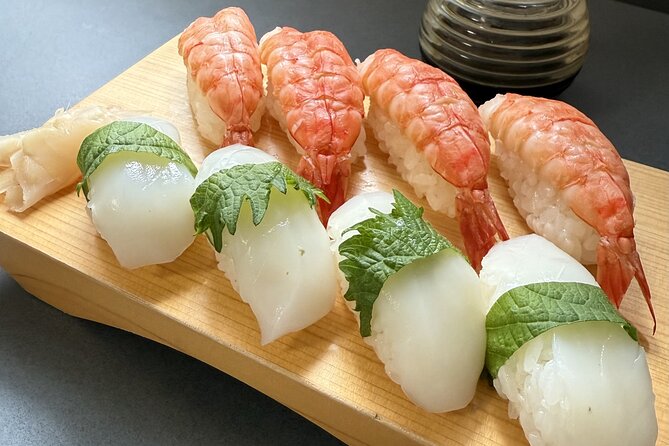
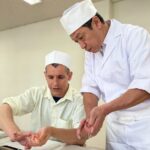
After the ceremony, the focus turns to nigiri sushi basics. This is where the beginner-friendly approach shows. The guidance is step-by-step, and it is aimed at getting you from shaky first attempts to pieces that look intentional.
The key skill they teach is how to shape the rice with the right pressure. That sounds simple, but it is the difference between nigiri that looks sloppy and nigiri that holds its shape. You’ll also practice handling toppings so they sit cleanly and do not tear or slide around.
Then comes the assembly part: placing the fish (or topping) so it looks correct and feels balanced. You are not just learning to copy a shape. You are learning what “clean and confident” placement looks like in real time.
Why this matters for you at home: most people try to make sushi later and fail because the rice is either too dry, too loose, or too compact. If you leave with a working feel for rice pressure and topping placement, your at-home attempts will be much closer to restaurant style.
This also helps for beginners because you can focus on a few repeatable actions. Instead of being overwhelmed by everything that goes into sushi, you learn the building blocks you can repeat.
Cook it yourself instead. Other kitchens in Tokyo
- Sushi Making Tokyo Roll and Authentic Japanese Sushi Class★ 5.0 · 3,971 reviews
- Tokyo: Sushi Making Class in a Happi Coat near a Famous Spot★ 4.9 · 1,377 reviews
- Tokyo Sushi Making Class in Tsukiji with Professional Chef★ 5.0 · 1,177 reviews
- Ramen & Gyoza Cooking Class in Tokyo with Local Supermarket Visit★ 5.0 · 823 reviews
- Tsukiji Fish Market Guided Tour and Sushi Making with Pro Chef★ 5.0 · 775 reviews
WASSHOI torched salmon mayo gunkan: modern Tokyo flavor
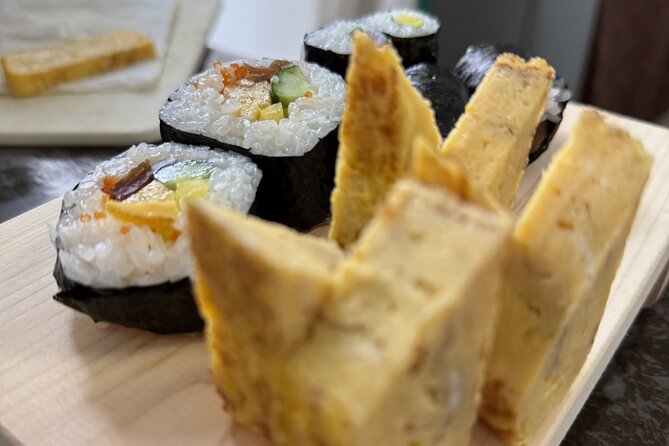
Next is the part many people are excited about: WASSHOI torched salmon mayo gunkan. This is not presented as a strict Edomae-only lesson. You get a modern Tokyo twist, with a flavor profile that sushi fans often recognize from popular spots.
Here’s what you do. You pile salmon high, add a zigzag of mayo, and finish with a quick torched step. That torch step is not just for drama. The heat changes the aroma and adds a smoky note that pairs with the creamy mayo, creating a richer bite than plain salmon nigiri.
You also join the moment of group hype. You’ll chant WASSHOI three times, and there’s a photo moment timed for the best second to capture your gunkan look before it’s eaten.
Practical note for your expectations: this piece is more indulgent than classic nigiri. It is designed to be fun and satisfying, so if you only want the most traditional version of sushi, you may find this modern style more “treat-like.” For many people, though, that contrast is exactly why the class feels enjoyable instead of serious the whole time.
The matcha finish: whisking for smooth foam
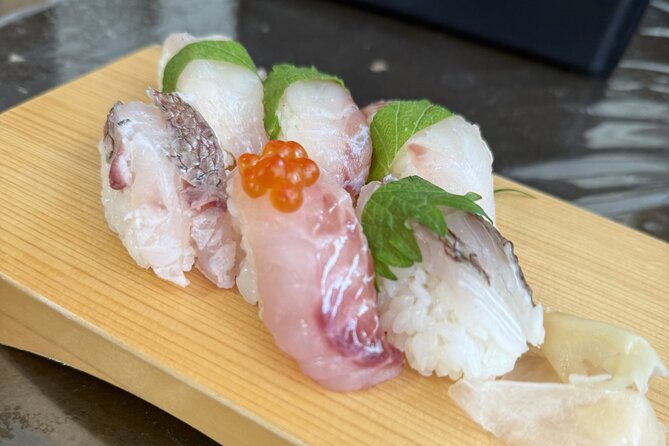
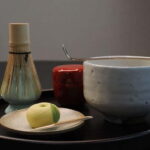
After you’ve handled rice and toppings, you end with something calmer: making matcha yourself. This is the kind of closing that feels right in Japan, because it shifts from hands-on food building to a quiet, controlled motion.
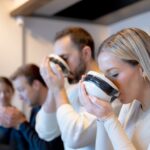
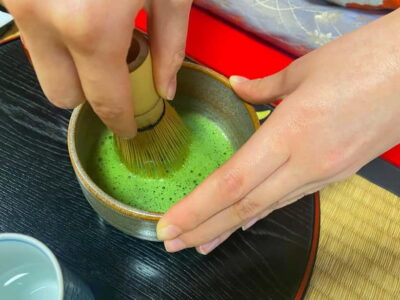
The class teaches you how to whisk properly, aiming for a smooth bowl with a bit of foam. Then you get to enjoy the matcha as the finale to your sushi experience.
What I like about this finish is that it gives your brain a reset. After the busy hands and quick torch moment, matcha is slower and more focused. It also makes the class feel complete. Sushi is one half of the meal, and matcha is the other half, giving you a full “I did the thing” memory from start to finish.
What you actually eat and take home (and why it matters)
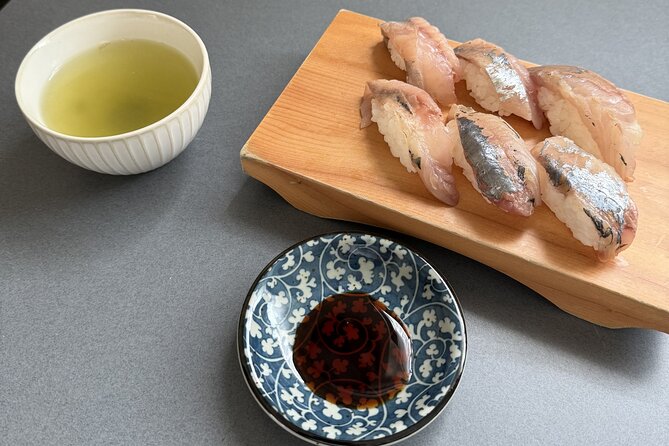
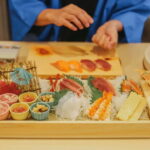
You will create 6 to 12 pieces, including nigiri and rolls, then you eat what you made. That matters for value because you are not paying just to learn. You are paying to produce, taste, and improve in one session.
You also leave with photos, and the class builds in moments designed for quick snapping at the right time. That is important because sushi-making often includes a lot of hands, tools, and timing. If the class is well-paced, it gives you shots that actually show your work, not just your hands in motion.
And the skills are the real souvenir. You will learn how to shape rice, handle toppings, assemble clean nigiri, build a modern gunkan style, and whisk matcha. Those are the actions that translate to home cooking even if you do not have the same ingredient setup.
If you want the best results practicing later, focus on the technique you can control:
- rice pressure and shape
- topping placement so it stays aligned
- keeping builds tidy so the pieces look intentional
You might find that your at-home sushi improves faster than you expect once you understand those core hand movements.
Price and value for a 1.5-hour Tokyo class
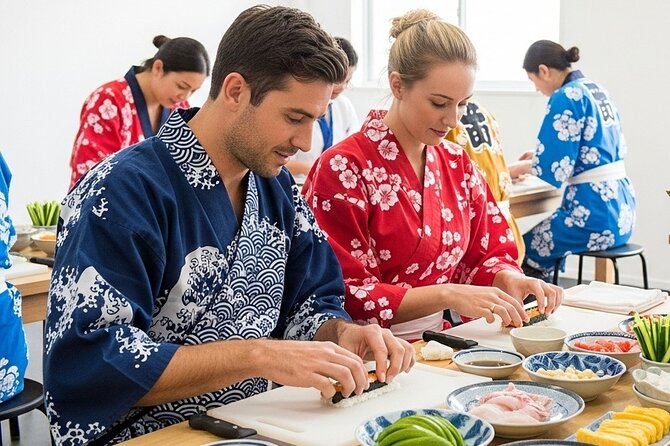
At $45.77 per person, the price lands in a reasonable zone for Tokyo when you factor in what is included. You are paying for:
- hands-on instruction (not a passive demo)
- multiple guided steps (ceremony, sushi assembly, matcha whisking)
- the food you make (and then eat)
- the group toast experience, with non-alcohol options
- a small-group format (maximum 20)
Because it is short, it also feels efficient. If you are on a tight schedule, a 1.5-hour class that still includes a full mini meal and a cultural ritual is a strong use of time. Long courses can be fun, but they can also be a time gamble. This is more practical.
One caution on value: if you are already an expert sushi maker and you want advanced fish prep or long formal technique sessions, this might feel like an overview. But if you are a beginner or intermediate who wants real practice, it is a good trade for your time.
Who should book this sushi and matcha experience
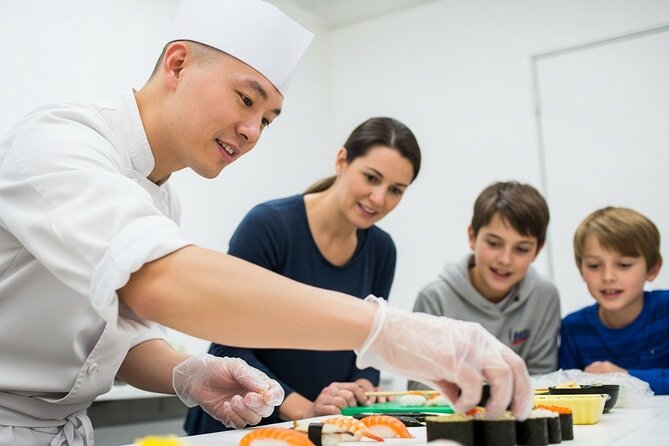
This class is a great match if you:
- want a beginner-friendly sushi workshop
- care about Japanese food culture beyond just eating
- like learning by doing, with guided corrections
- are in Tokyo for a short stay and want a high-impact experience
- want both energy (ceremony, chants, torched gunkan) and calm (matcha)
It may not be ideal if you:
- only want the most traditional Edomae style and dislike modern twists
- are looking for a very long, deep specialization session
- prefer experiences with zero group participation, since the ceremony includes chants and group timing
Tips to get the most out of the class
A few small choices will make your session smoother:
- Come on time. The ceremony and photo moments run as part of the flow, and you do not want to miss the opening.
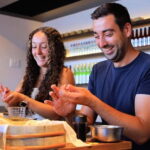
- Be ready to get hands-on. This is built around shaping rice and assembling pieces, so you’ll use your hands a lot.
- If you do not drink alcohol, still plan to join the toast with water or warm Japanese tea. That keeps the ceremony feeling like part of your experience too.
- If you love matcha, treat the last step like the finale it is. Practice the whisk motion, then enjoy the bowl right away.
Also, because the group size is limited to 20 travelers, ask questions when you can. Short, direct questions are usually the fastest way to fix a problem like rice sticking or topping placement.
Should you book this Tokyo sushi making class?
I think you should book it if you want a hands-on experience that actually teaches you how to make sushi, not just how to look at sushi. The combination of kagami-biraki, practical nigiri technique, the fun torched salmon mayo gunkan, and finishing with matcha whisking gives you variety in one compact time block.
The price makes sense for what you get: guided instruction, small-group attention, and a mini meal of sushi plus matcha. If you are in Asakusa and you have 90 minutes free, this is one of the more “worth it” food experiences because it gives you skills you can repeat.
FAQ
How long is the Tokyo sushi making class experience?
The class lasts about 1 hour 30 minutes.
Where does the experience take place?
It starts and ends at Sushi Meets Matcha, located at 1-chōme-10-16 Hanakawado, Taito City, Tokyo 111-0033, Japan.
What will I learn to make?
You’ll learn nigiri essentials, make WASSHOI torched salmon mayo gunkan, and whisk matcha. You will make 6 to 12 pieces, including nigiri and rolls.
Do I have to drink sake during the ceremony?
No. The group toast includes a non-alcohol option with water or warm Japanese tea.
What is the group size?
This activity has a maximum of 20 travelers.
Is the class beginner-friendly?
Yes. The experience is described as beginner-friendly and includes step-by-step guidance.
What is the cancellation policy?
You can cancel for a full refund up to 24 hours in advance of the experience start time. After that cutoff, the amount paid is not refundable.
Kitchens You Can Book Into


Kyoto by the Bowl
Newest Tokyo write-ups from the Loving Japan desk



Kyoto Tea Ceremonies and Matcha, side by side.
 ★ 4.9Tea Ceremony in a Traditional Tea House in KiyomizuFrom $493,519 reviews
 ★ 4.9Tea Ceremony Ju-An at Jotokuji TempleFrom $293,207 reviews
 ★ 4.345-Minute Tea Ceremony Lesson ExperienceFrom $222,378 reviews
 ★ 5.0World Heritage Kyoto & Nara Uji Authentic Matcha ExperienceFrom $1291,573 reviews
 ★ 4.9Tea Ceremony ExperienceFrom $251,426 reviews
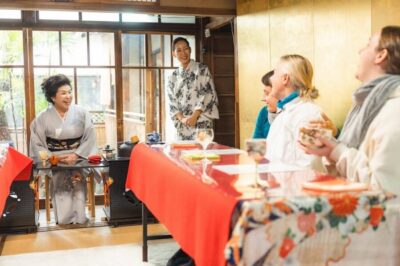 ★ 4.9Table-Style Tea Ceremony at a Kyo-MachiyaFrom $451,211 reviews
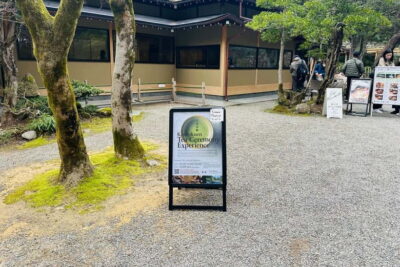 ★ 4.8Kenrokuen Tea Ceremony ExperienceFrom $351,139 reviews
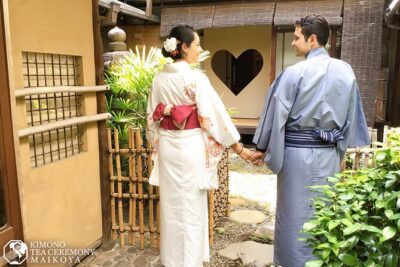 ★ 5.0Kimono Tea Ceremony at Kyoto Maikoya, NISHIKIFrom $65911 reviews